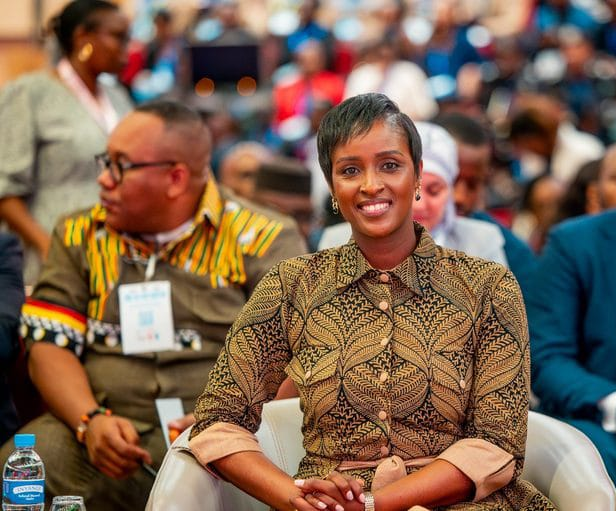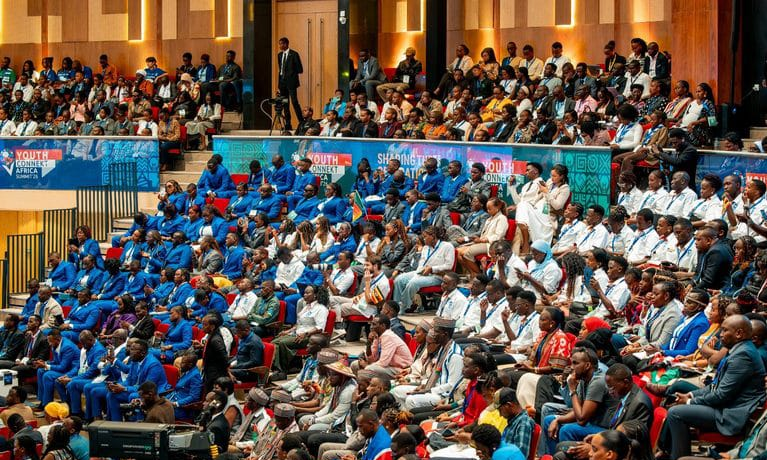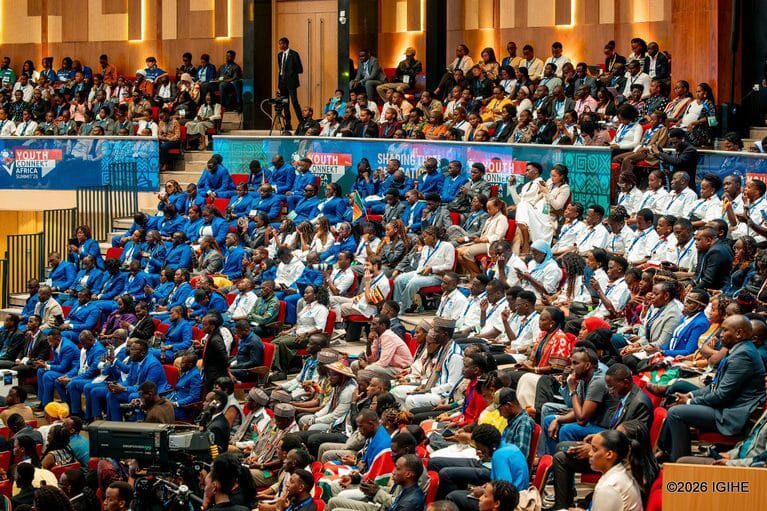
Africa’s young people have been challenged to take greater responsibility for shaping the continent’s future, with leaders calling for a generation that turns ambition into enterprise, creates opportunities and contributes directly to economic transformation.
The message emerged at the eighth Youth Connect Africa Summit, which opened in Kigali on Wednesday, November 25, bringing together young innovators, entrepreneurs, policymakers, investors and development partners from across Africa.
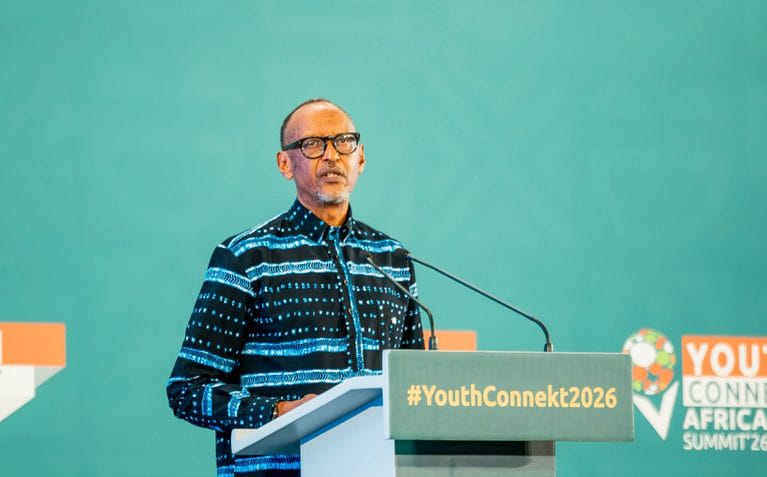
Addressing participants, President Paul Kagame encouraged young people to embrace responsibility, work hard and remain committed to strong values, saying that expectations placed on them should be seen as an opportunity rather than a burden.
“Having people expect a lot from you and ask you to do more than you are used to is actually something positive that you should appreciate. Work hard, remain humble and uphold strong values, and it will pay off,” he said.
His message comes at a time when Africa’s youthful population presents enormous potential for economic growth, but translating that potential into meaningful employment, successful businesses and improved livelihoods remains a major challenge.
For many young Africans, the obstacles extend beyond having business ideas or acquiring skills. Access to finance, markets, professional networks and opportunities to grow remain important factors determining whether their ambitions become sustainable ventures.
Yann Gwet, Executive Director of Youth Connekt Africa, said young people were navigating profound changes in technology, employment and the global economy, making it necessary to create stronger pathways between education, innovation and economic opportunities.
“Artificial intelligence is transforming the way we work. So young Africans are navigating these shifts while facing long-standing barriers to education and employment,” he said.
Gwet emphasized that more needed to be done to help young people move from acquiring skills to securing employment and from developing business ideas to establishing viable enterprises.
The summit’s agenda reflects this ambition, with discussions covering digital integration, cross-border trade, employment, climate action, creative industries, governance and health. One important focus is how African entrepreneurs can expand beyond their domestic markets and benefit from opportunities created by the African Continental Free Trade Area (AfCFTA).
For young business owners, access to a larger market could mean opportunities to find customers, attract investment, establish partnerships and grow beyond the limitations of their local economies.
Matthias Naab, Director of the UNDP Regional Service Centre for Africa and co-chair of Youth Connect Africa, highlighted the importance of building systems that connect young people’s ambitions to practical opportunities.
“Africa’s young people do not simply need programs. They need ecosystems that connect their ideas and ambitions to finance, markets, leadership opportunities and lasting impact,” he said.
His remarks underline an important dimension of youth empowerment: initiatives aimed at supporting young people must go beyond training and conferences to create lasting connections with institutions, investors and markets. What began in Rwanda in 2017 has developed into a continental initiative connecting young people with governments, businesses and development partners.
Youth Connekt Africa has expanded to 39 African countries, providing a platform for dialogue, collaboration and the advancement of youth-led solutions. The gathering also provides an opportunity to examine how African countries can better position their young populations to respond to changing economic realities, technological advances and emerging industries.
As the summit continues, the real measure of its success will lie in what follows the discussions: stronger partnerships, accessible opportunities and practical initiatives that allow young Africans to turn their ideas into solutions. For a continent whose future is closely tied to the potential of its young population, the task is not simply to prepare the next generation for tomorrow, but to give it the means to shape tomorrow today.