Rwanda’s teenage pregnancy rate has risen to 8% in 2025, from 5% in 2019 renewing concerns over adolescent sexual and reproductive health and the protection of children from sexual abuse.
The increase, reported in the 2025 Rwanda Demographic and Health Survey by the National Institute of Statistics of Rwanda (NISR), comes as stakeholders call for stronger prevention measures, timely reporting of abuse and greater involvement of adolescents in decisions affecting their health and wellbeing.
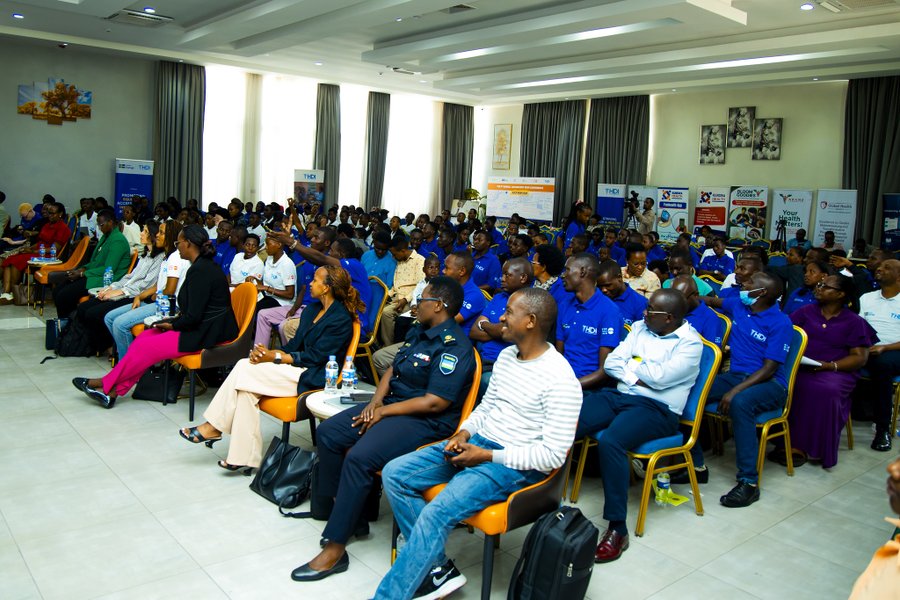
The issue was among those discussed on the second day of the 7th Annual Adolescent Sexual and Reproductive Health and Rights (SRHR) Conference, where participants were encouraged to speak openly about challenges affecting them and demand answers from institutions responsible for their protection.
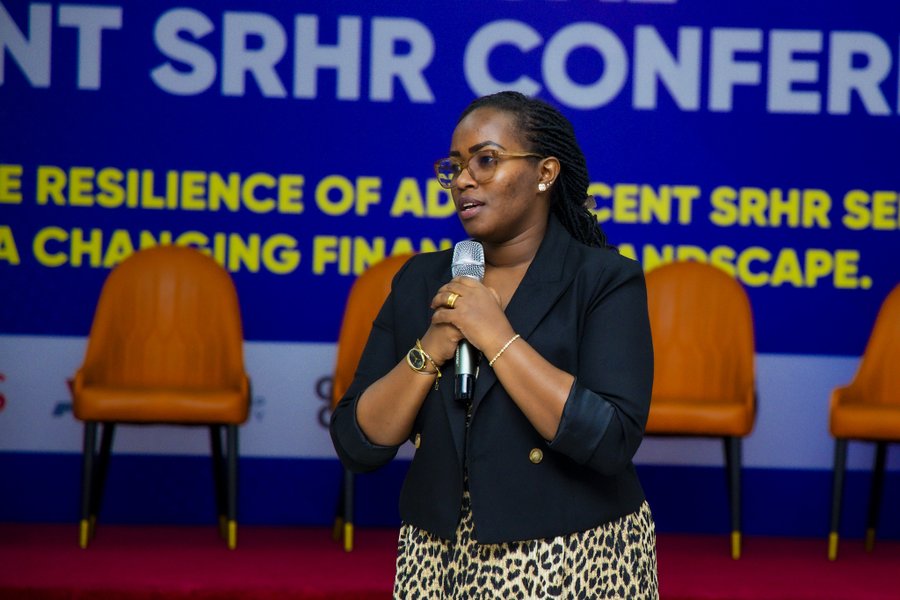
Welcoming delegates, Health Development Initiative (HDI) Deputy Executive Director Ariane Dusenge said the conference should provide an opportunity for adolescents to raise concerns, exchange experiences and engage in discussions without being left out of decisions that affect them.
“Thank you for allowing us to create this space for dialogue and questions. That is what brought us together. We want to hear your views, engage in constructive debate and ensure that all your questions and concerns are addressed, including those of adolescents with disabilities, so that no one is left behind,” she said.
The 2025 survey further indicates that the proportion of girls who have ever been pregnant increases with age, reaching 20% among 19-year-olds. The figures underline the challenges facing older adolescents as they transition into adulthood.
Sexual abuse is another concern, with consequences that extend beyond physical harm to include psychological trauma and unintended pregnancies.
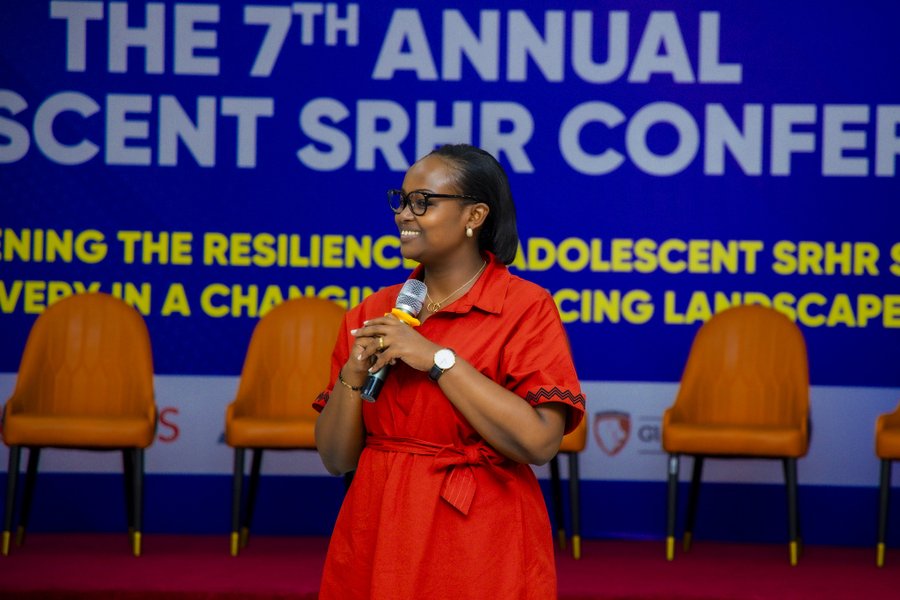
Aline Umutoni, the Director General of Family Promotion and Child Protection at the Ministry of Gender and Family Promotion (MIGEPROF), urged adolescents, families, communities and institutions to report sexual abuse rather than conceal it.
“Do not remain silent. Speak up against child sexual abuse. When information is shared and reported in time, we can protect many other children and ensure that those affected receive support. Silence allows the abuse to continue,” she said.
Aline noted that sexual abuse can have devastating consequences, including teenage pregnancy and trauma, stressing that protecting children requires collective responsibility and accountability for perpetrators.
The concerns are also reflected in UNICEF’s child protection findings, which indicate that five in 10 girls and six in 10 boys in Rwanda experience some form of violence during childhood. The figures cover different forms of violence and should not be interpreted as rates of sexual abuse alone.
Rwanda’s laws on child protection and sexual abuse
Rwanda has established legal provisions to protect children against sexual abuse, exploitation and other forms of violence. Under Law No. 71/2018 of August 31, 2018, relating to the Protection of the Child, a child is defined as any person below the age of 18. The law provides for the protection of children’s rights and places responsibilities on parents, guardians, communities and relevant institutions to safeguard their welfare.
Rwanda’s Penal Code, Law No. 68/2018 of August 30, 2018, as amended by Law No. 059/2023, also criminalizes child defilement and provides penalties for those found guilty. The applicable punishment depends on the circumstances of the offence and the provisions of the law.
The law reinforces the responsibility to report cases of violence against children so that authorities can investigate and take appropriate action. Protecting children therefore requires families, schools, communities and institutions to report suspected abuse rather than conceal it or resolve it informally.
Thousands of child defilement cases and convictions
Figures reported from the National Public Prosecution Authority show the scale of the challenge facing Rwanda’s justice system. During the 2023–2024 financial year, prosecutors received 3,625 child-defilement case files. Of these, 1,613 were filed in court, while 1,970 were dropped and 42 remained pending.
The same report indicated that 2,622 cases went to trial, resulting in 1,711 convictions and 911 acquittals. Separately, on April 11, 2025, the Office of the Prosecutor General made public a register containing 1,335 people convicted with final judgments for child defilement and rape combined. The figure covers both categories of sexual offences and should not be presented as the number convicted of child defilement alone.
The figures underline the importance of reporting abuse and ensuring that cases are investigated and taken through the justice system. They also raise questions about the number of cases that do not reach court and the challenges victims and their families face when seeking justice.
Youth call for discussions to continue in schools
Young people who attended the conference recommended that discussions on adolescent sexual and reproductive health, child protection and the prevention of sexual abuse should not end with the conference. They called for the conversations to be taken to schools so that other students who did not attend the event can also benefit from the information and experiences shared.
They noted that creating opportunities for discussions at school level could help more adolescents understand their rights, recognize different forms of abuse, know where to report cases and seek timely support when faced with challenges. Taking the discussions to schools would also give students opportunities to ask questions, exchange experiences and engage teachers and other responsible institutions on issues affecting their health, safety and wellbeing.
Ultimately, addressing teenage pregnancy and sexual abuse requires more than encouraging adolescents to speak. Families, communities and institutions must listen, respond to reports and ensure that children receive protection and support, while those responsible for abuse are held accountable.