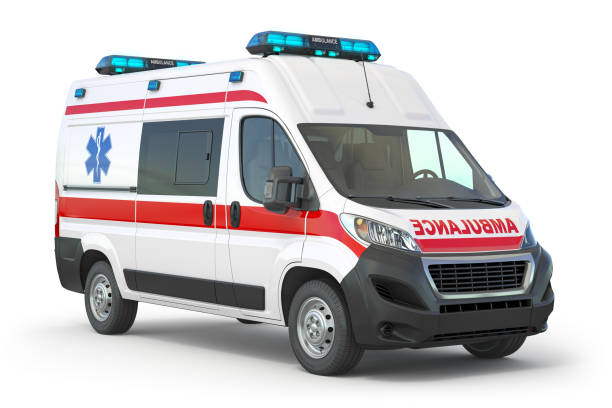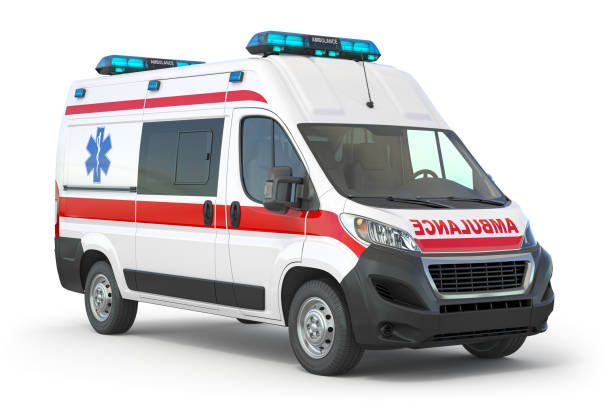
Rwanda has launched a five-year reform program aimed at reducing ambulance response times, expanding emergency medical coverage and strengthening the capacity of healthcare workers to save lives before patients reach hospitals.
The Rwanda Emergency Medical Services (EMS) Reform Program 2026–2030 targets reducing the average time ambulances take to reach patients from 15 minutes to 10 minutes in Kigali and from 45 minutes to 20 minutes in other parts of the country by 2029.
The program was officially launched on November 22, 2026 during the monthly Car Free Day activities in Kigali, marking a new phase in the government’s efforts to improve access to emergency medical care.
The reform comes as emergency medical services remain a critical part of healthcare delivery, particularly in cases involving road accidents, maternal complications and other life-threatening conditions where delays in receiving treatment can have serious consequences.
A 2023–2024 review of Rwanda’s emergency medical services recorded 19,308 interventions, with road traffic injuries accounting for 41.96%, maternal emergencies 20.85% and acute pediatric illnesses 6%. The figures highlight the demand placed on emergency response services and the importance of strengthening the system beyond simply transporting patients to hospitals.
Health Minister Dr Sabin Nsanzimana said the government wants to ensure that every Rwandan can access emergency medical assistance when needed.
“No Rwandan should ever be left without timely emergency care. Waiting times are already falling, and we will bring them down further. But this reform goes beyond ambulances,” he said.
Nsanzimana said the government is also prioritizing the training of specialized personnel who can provide medical assistance at the scene of an emergency and throughout the journey to hospital.
“We are investing in people, starting with Rwanda’s first paramedic school, so that well-trained, well-equipped teams can treat patients from the scene all the way to the hospital. Emergency readiness is a shared responsibility,” he added.
Beyond increasing the number of ambulances
One of the major components of the reform is expanding the country’s ambulance coverage to at least one vehicle for every 20,000 people. The government also plans to establish Rwanda’s first nationally accredited paramedic training school, which is expected to enroll 100 students annually. The program will be supported by simulation laboratories and practical training.
By 2030, the government targets having between eight and 10 trained paramedics per ambulance, while existing ambulance crews will also receive additional training to improve the quality of care provided before patients reach health facilities.
The reform further provides for training 2,000 community first responders, including police officers, motorcycle taxi operators and market vendors, who are often among the first people to encounter emergencies Through basic first-aid training, these community members are expected to provide initial assistance while waiting for professional emergency teams to arrive.
Rwanda also plans to introduce specialized emergency response units, including neonatal and infectious disease ambulances, as well as expand emergency transportation through motorcycles, boats and aircraft to reach people in areas where conventional ambulances may face difficulties.
Building on improvements already achieved
The new program builds on improvements recorded in Rwanda’s emergency medical services over recent years.
According to the Ministry of Health, average ambulance response times have declined from 45 minutes to 15 minutes in Kigali, while outside the capital they have fallen from approximately two and a half hours to 45 minutes.
The country’s ambulance fleet has also grown from 263 vehicles in 2023 to approximately 530 in 2026. The government is now seeking to build on these improvements through better coordination, expanded ambulance coverage and increased investment in emergency medical personnel.
As part of the reforms, the Minister also called on citizens to take an active role in emergency preparedness by learning basic first aid and cardiopulmonary resuscitation (CPR), calling the toll-free emergency number 912 when emergencies occur and giving way to ambulances on the road. “Every second counts,” he said.
The success of the five-year program will ultimately depend on how effectively the country expands its emergency workforce, improves response coordination and ensures that people in rural and hard-to-reach communities receive assistance as quickly as those in urban areas.
By targeting shorter response times and strengthening emergency care from the scene of an incident to hospital admission, Rwanda aims to make emergency medical assistance more accessible and responsive across the country.