Rwanda’s farmers could benefit from increased rainfall during the October-December season, but climate experts are warning that the same rains could bring serious losses if farmers and authorities fail to act on the forecast early enough.
The warning emerged on the second day of the 74th Greater Horn of Africa Climate Outlook Forum (GHACOF 74), which concluded in Kigali on Tuesday, August 18, with climate experts and representatives from key sectors considering how the latest forecast can be translated into practical action.
The forum, organized by the IGAD Climate Prediction and Applications Centre (ICPAC), brought together experts and stakeholders to examine the expected October-December 2026 climate conditions and their implications for agriculture, water, health, livestock and disaster-risk management.
For Rwanda, agriculture is among the sectors with the most at stake.
ICPAC’s seasonal outlook indicates a high likelihood of seasonal rainfall exceeding 400 millimeters in western Rwanda. Across much of the Greater Horn of Africa, the October-December season is expected to be wetter than normal, with the developing El Niño among the factors influencing the outlook.
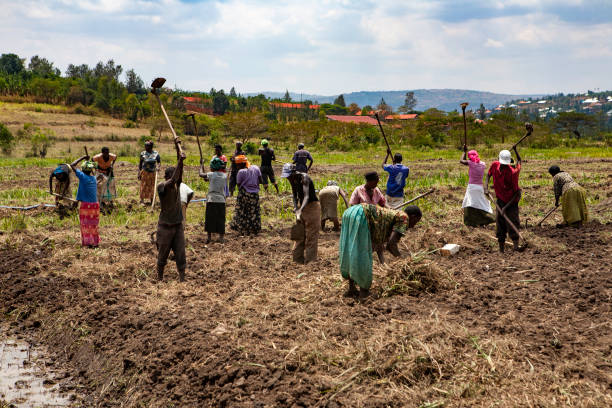
For farmers, however, more rain is not necessarily synonymous with more food.
Well-distributed rainfall can improve soil moisture and support crop production, but excessive or intense rainfall can cause water logging, erosion, flooding and damage to crops and farm infrastructure that makes preparedness crucial turning forecasts into farming decisions.
A central message from GHACOF 74 was that climate forecasts should not end with meteorologists and policymakers. They must reach farmers early enough to influence decisions.
Denise Ayebare, Secretary for External Affairs at Uganda’s National Youth Council and a keynote speaker at the forum, put the issue in practical terms.
“Agricultural advice must move. Appropriate seed must move. Finance and insurance must respond to risk.” Her message was that climate information becomes meaningful only when farmers can use it to make decisions and protect their livelihoods.
Ayebare also pointed to the lived reality of communities facing climate shocks, noting that people understand climate change through its consequences.
“They understand when a crop planted with borrowed money is destroyed, when food becomes more expensive, and when a family begins deciding which”
The remarks highlight a critical gap between producing a seasonal forecast and enabling farmers to act on it. A farmer who is told that the coming season is likely to be wetter needs more than the forecast itself. They need to know what to plant, when to plant, which varieties are appropriate, how to protect soil and crops from excessive water, and how to minimize losses if heavy rainfall occurs.
For Rwanda, the anticipated rains could provide an opportunity for farmers, particularly those dependent on rain-fed agriculture. Improved rainfall could support crop growth, replenish water resources and improve soil moisture, but the benefits will depend heavily on how rainfall is distributed.
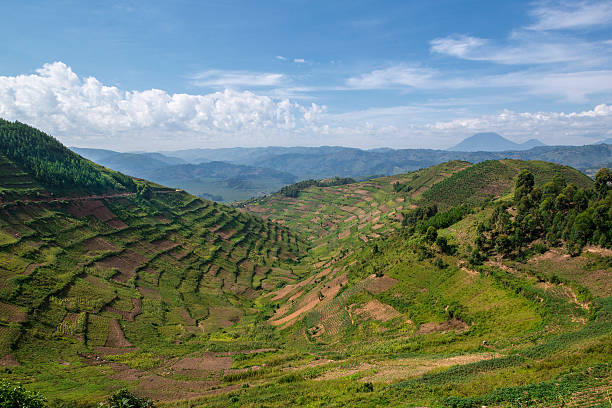
Heavy downpours can wash away fertile topsoil, damage crops and increase the risk of flooding and landslides, particularly in Rwanda’s steep and densely cultivated landscapes. This is why the agriculture discussions at GHACOF 74 were not simply about whether the season would be wet or dry. They were about how climate information can guide decisions across the agricultural value chain.
The forum’s broader message was captured in its theme: “Harnessing Climate Services for Early Action and Resilience in the Greater Horn of Africa Region in the Face of a Strong El Niño.”
That emphasis on early action is particularly important for agriculture because many farming decisions cannot easily be reversed once the season begins. A farmer who chooses a crop variety, plants at a particular time or invests borrowed money in a field is making a decision based partly on expectations about the weather.
The country now has a forecast pointing towards wetter conditions. The challenge is to ensure that the information reaches farmers early, is translated into practical agricultural advice and is backed by measures that can protect livelihoods when rainfall becomes excessive.