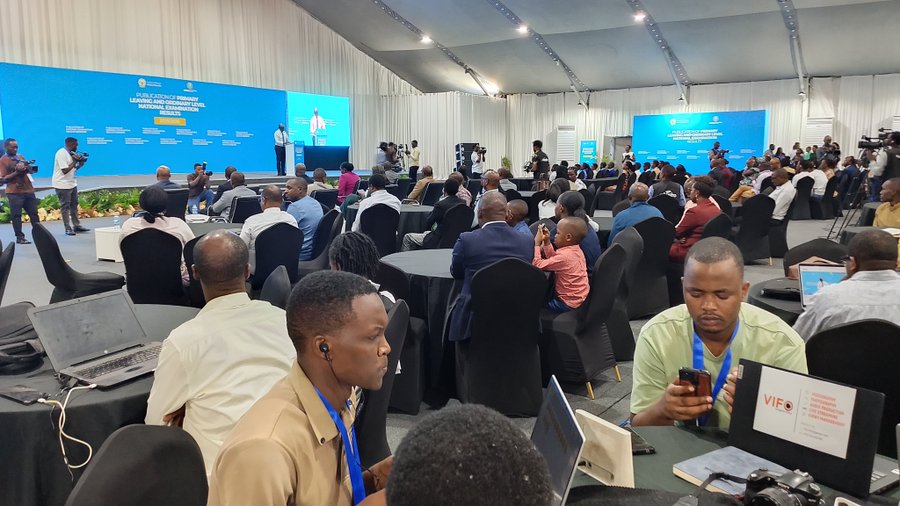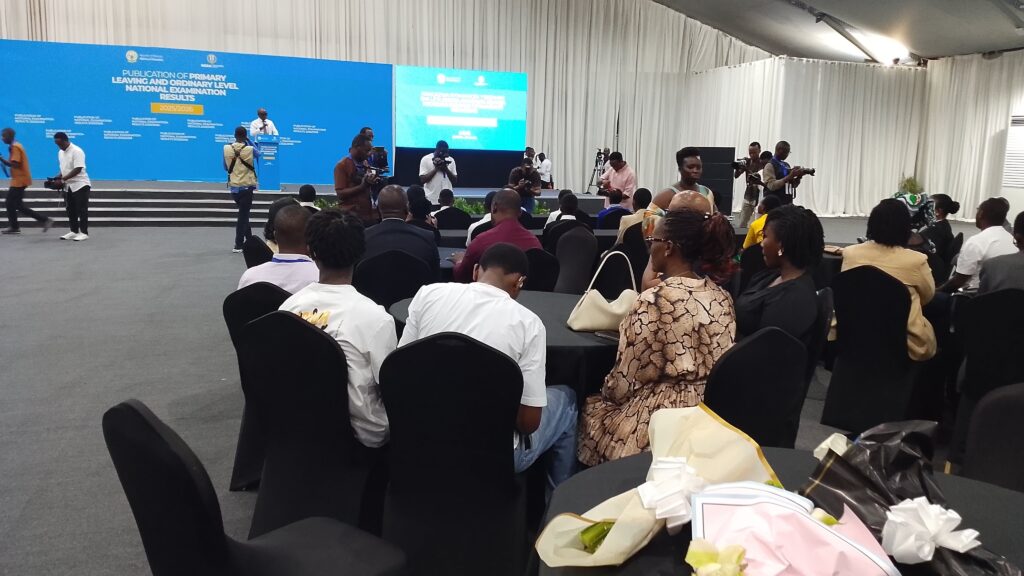
Rwanda has recorded a sharp improvement in the performance of pupils in the 2025/26 Primary Leaving Examinations, with the national pass rate rising to 88.21 per cent, up from 75.64 per cent in the previous academic year.
The improvement of 12.57 percentage points comes as the country continues to focus on improving learning outcomes, strengthening assessment and supporting learners who face difficulties in school.
The 2024/25 results, released in August 2025, showed that 166,334 of the 219,926 pupils who sat the Primary Leaving Examinations passed, representing a 75.64 per cent pass rate.
For the 2025/26 examinations, 277,593 candidates sat the tests, according to figures announced by the National Examination and School Inspection Authority (NESA). Boys recorded a pass rate of 89.59 per cent, while girls posted 87.1 per cent.
The results mean that more than eight out of every 10 candidates successfully met the requirements for completing primary education and progressing to secondary school.
The results show a modest gender gap, with boys outperforming girls by 2.49 percentage points.
While the difference is relatively small, the figures come at a time when Rwanda is placing greater emphasis on understanding disparities in learning outcomes and ensuring that both boys and girls have equal opportunities to succeed.
Recent national learning assessments have also identified gender differences in some mathematics competencies at primary level, highlighting the need for targeted interventions to strengthen girls’ participation and confidence in science and mathematics.
The latest examination results therefore provide education authorities with both encouraging evidence of overall progress and areas that may require closer attention.
The rise from 75.64 per cent to 88.21 per cent represents a significant improvement in the national examination results.
It also comes after the government and schools continued to work on improving learning outcomes through interventions targeting learners who require additional academic support.
Education Minister Joseph Nsengimana has previously described national examinations as an important assessment of whether Primary Six learners have acquired the competencies required to complete primary education and move on to secondary school.
Launching the 2025/26 Primary Leaving Examinations in July, Nsengimana said:
“This is a national assessment for Primary Six learners to determine whether they have acquired the competencies required to complete primary education and progress to secondary school.”
He also stressed the importance of cooperation among schools, parents and learners in preparing candidates for the examinations.
“We have been working with schools, parents and learners to ensure they are well facilitated throughout the examination period.”
Those remarks highlight the broader role of national examinations in Rwanda’s education system: they are not only used to determine progression, but also provide evidence that can inform future interventions in teaching and learning.
The release of the results also puts the spotlight on the role played by NESA, which administers national examinations and oversees school inspection.
NESA Director General Dr Bernard Bahati has previously emphasized the responsibility of examination officials and markers in handling learners’ examination scripts.
In a message to examiners, Bahati said:
“When you pick up a script to mark, remember that you are holding a child’s future in your hands.”
Despite the strong improvement, education experts and policymakers will need to look beyond the headline figure.
A higher examination pass rate is encouraging, but it does not by itself provide a complete picture of the quality of learning. Rwanda’s Learning Achievement in Rwandan Schools (LARS) 2025 assessment, for example, found that while many learners could read fluently, a significant proportion continued to struggle with reading comprehension. It also identified continuing challenges in mathematics, including problem-solving and the application of mathematical concepts.
This means that the latest examination results will need to be considered alongside other assessments to determine whether pupils are acquiring the foundational competencies expected of them.
The 2025/26 examination cycle also placed attention on learners with disabilities.
More than 900 candidates with special educational needs were expected to sit the Primary Leaving Examinations, with NESA providing support including Braille examination papers, enlarged print, extra time, sign-language interpretation, assistive technology and examination scribes.
For thousands of children, the results mark the completion of primary education and the beginning of a new chapter in secondary school.
For teachers and school leaders, however, the results should also provide an opportunity to identify what worked, where learning gaps remain and how support can be improved.
The increase in the number of candidates is also notable. In July, NESA reported that more than 277,000 candidates had registered for the examinations, compared with about 221,000 candidates who sat the previous year’s examination. The 2025/26 examinations were conducted across 1,182 centers and involved thousands of schools and examination officials.
For Rwanda, the 2025/26 results are therefore both an achievement and a benchmark , a sign of progress, but also a reminder that the ultimate measure of success is not simply how many pupils pass an examination, but how well they are prepared for the next stage of their education and for life beyond school.