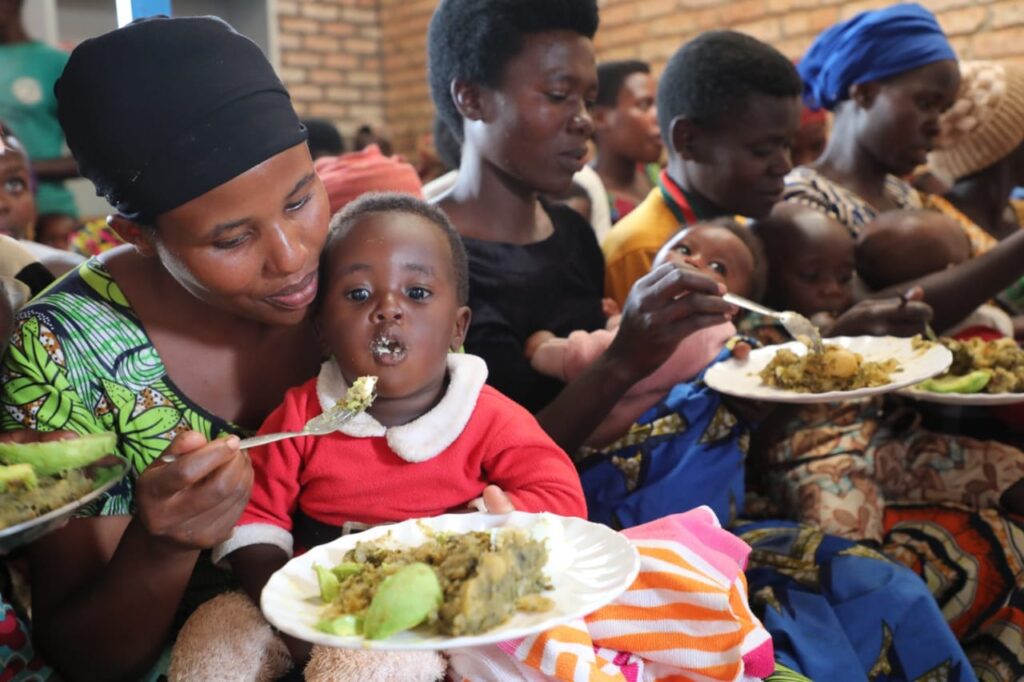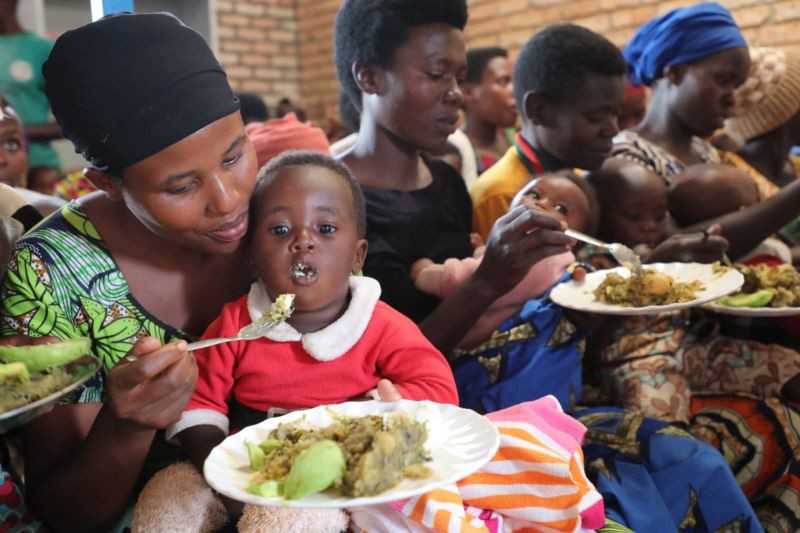
Although Rwanda has invested heavily over the years in increasing food production and implementing programs aimed at combating malnutrition, child stunting remains one of the country’s most persistent public health and development challenges. In many households, food is available, yet children continue to suffer from stunting because meals are not prepared or served in ways that meet their nutritional needs.
Health experts explain that stunting begins during the earliest stages of a child’s development and can even start before birth, while the baby is still in the mother’s womb. It affects both physical growth and brain development, reducing children’s ability to learn, work, and reach their full potential, ultimately slowing the country’s socio-economic development.
While many people still associate stunting solely with poverty or food shortages, government officials and community members increasingly agree that limited knowledge of proper nutrition and persistent misconceptions about child feeding practices are among the key factors preventing further progress.
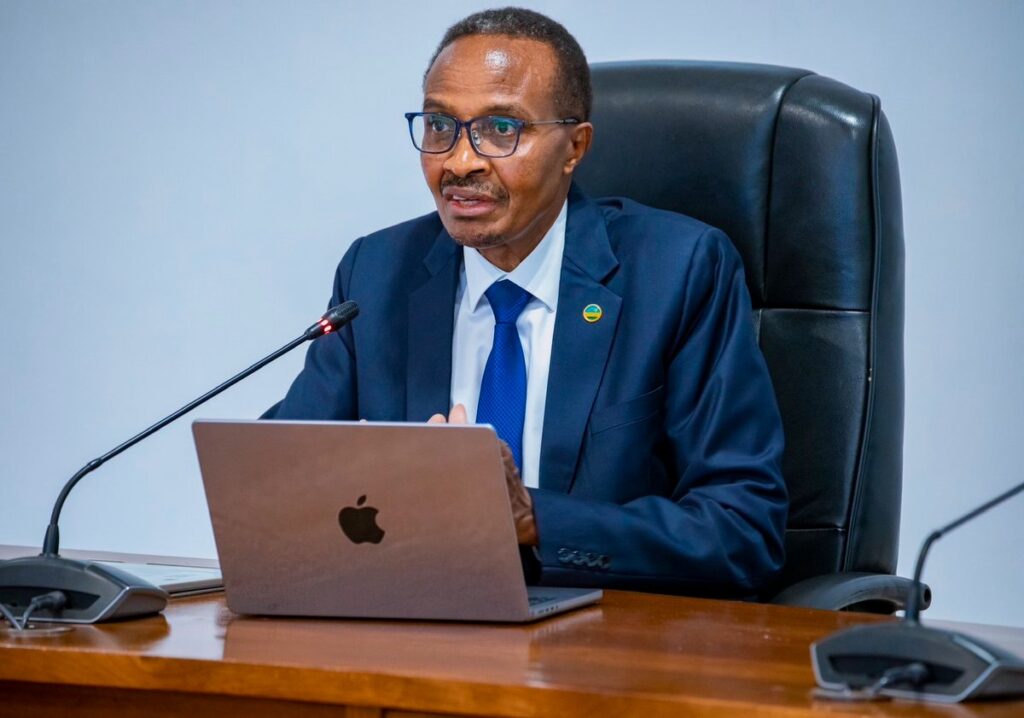
In an exclusive interview with Pureafricanews.com, the Minister in Charge of Emergency Management, Maj. Gen. (Rtd.) Albert Murasira emphasized that eliminating stunting requires more than simply producing enough food. According to him, improving public knowledge about balanced nutrition is equally important.
“Having food alone is not enough. You can even find children from well-off families who are stunted. When parents lack the knowledge to prepare and feed nutritious meals appropriately, children can still suffer from stunting. That is why we continue encouraging expectant mothers to seek antenatal care as soon as they know they are pregnant, because stunting can begin while the child is still in the womb,” he said.
Minister Murasira explained that when pregnant women receive medical care early, they benefit from nutritional counseling and health guidance that significantly improve their chances of giving birth to healthy children. He believes that educating parents, particularly pregnant and breastfeeding women remains one of the most effective strategies for reducing stunting.
Community members acknowledge that Rwanda has made meaningful progress in addressing malnutrition, but they argue that inadequate nutrition knowledge and deeply rooted attitudes continue to undermine these efforts.
Many families, they say, own nutritious foods such as eggs, milk, vegetables, and fruits, yet instead of prioritizing these foods for young children, they often sell them to earn income.
Jean Misago, a resident of Rubona Cell in Ngoma Sector, Nyaruguru District, said:
“Some parents sell the milk, eggs, and vegetables they produce so they can buy other household necessities, leaving children to eat whatever is available. People need to understand that properly feeding a child is the greatest investment they can make because a healthy child has a better chance of building a successful future.”
Marcelina Nyirangeneye, who lives in Kibangu Cell, also in Ngoma Sector of Nyaruguru District, shared similar concerns.
“You can see that stunting is gradually declining, but many households still have beans, vegetables, eggs, and bananas without knowing how to combine them into a balanced meal. That is why nutrition education campaigns should be strengthened so families learn how to prepare healthy meals using the foods they already have.”
Health specialists stress that the first 1,000 days of a child’s life from conception until the age of two, represent the most critical window for growth and development. Failure to provide adequate nutrition during this period can have lifelong consequences for a child’s health, cognitive development, educational achievement, and future productivity.
Minister Murasira believes local government authorities, community health workers, and development partners must continue working closely with communities to promote proper nutrition and encourage lasting behavioral change.
“Fighting stunting is not the responsibility of one institution alone. It requires collaboration among all stakeholders and the active participation of communities themselves. When people are equipped with knowledge, they make informed decisions that protect their children’s health. That is the most sustainable way to overcome this challenge.”
According to findings from the Seventh Rwanda Demographic and Health Survey (RDHS-7), Rwanda has made encouraging progress in reducing child stunting. The national stunting rate has declined to 27%, down from 33% recorded in the 2019–2020 survey.
Despite this progress, the Government of Rwanda has set an ambitious target of reducing child stunting to 15% by 2029. Achieving this goal will require more than increasing food availability. It will also depend on ensuring that every household has adequate knowledge of good nutrition and adopts feeding practices that prioritize children’s health and development.