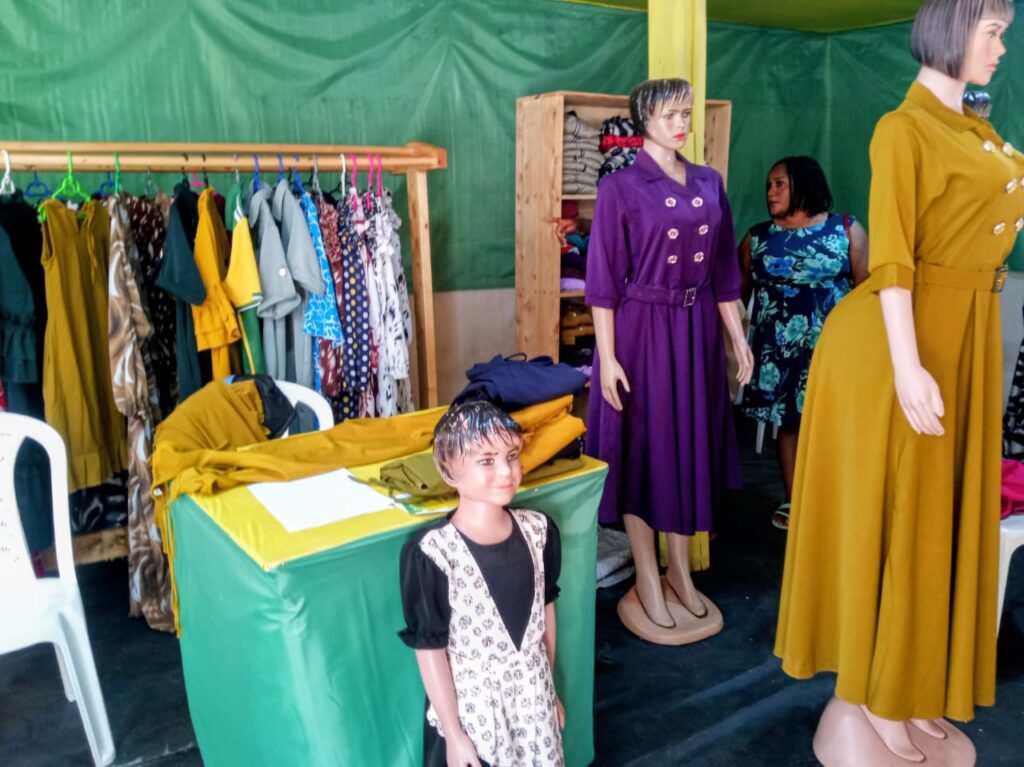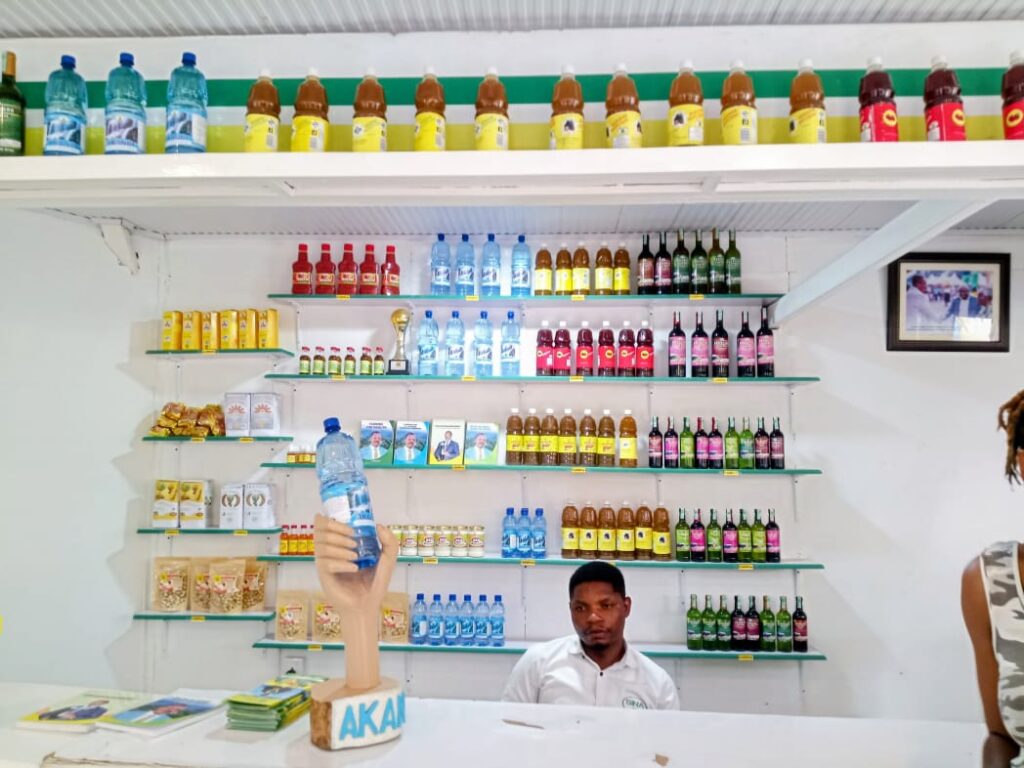
The Private Sector Federation (PSF) has encouraged businesses and consumers to embrace Made-in-Rwanda products as a sustainable way of strengthening the country’s economy, supporting local industries, and maintaining stable prices despite global economic uncertainties.
Speaking during the Rwanda International Trade Expo 2026, PSF Chairperson Francois Twagirumukiza said increasing the production and consumption of locally manufactured goods is one of the most effective ways to reduce dependence on imports and cushion the economy against external shocks, including disruptions caused by international conflicts.
“People have to promote Made-in-Rwanda products because this will help reduce dependence on imported goods and contribute to controlling price increases,” Twagirumukiza said.
He noted that supporting local industries would not only help stabilize prices but also create more opportunities for Rwandan manufacturers, generate employment, and ensure a reliable supply of quality goods in the domestic market.
Twagirumukiza emphasized that a stronger local manufacturing sector would make businesses more resilient to fluctuations in global markets while enhancing Rwanda’s long-term economic competitiveness.
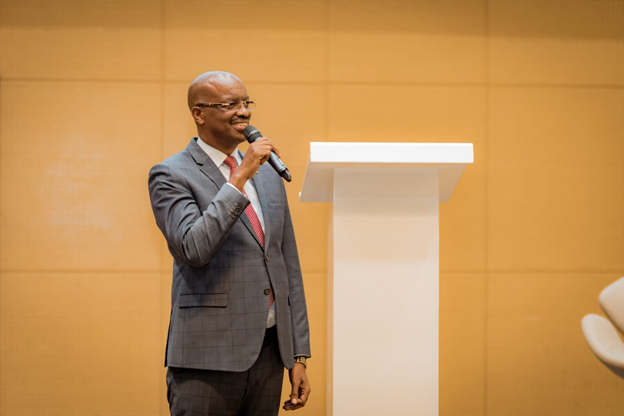
His remarks were echoed by the Minister of Trade and Industry, Antoine Kajangwe, who called on traders to adopt responsible pricing practices and avoid unnecessary price increases linked to the ongoing conflict in the Middle East.
Kajangwe stressed that businesses should only adjust prices when there is a genuine increase in the cost of imported goods, noting that fair pricing benefits both consumers and businesses.
“Traders do not have to increase prices because of the war in the Middle East. If they raise prices without justification, they may end up making losses because customers will no longer be able to afford their products. Keeping prices fair helps businesses maintain customers and supports the economy,” he said.
The minister acknowledged that while international developments can influence the cost of some imported products, businesses should base pricing decisions on actual market conditions rather than speculation. He added that responsible pricing helps preserve consumers’ purchasing power and sustains demand in the market.

The Rwanda International Trade Expo 2026 brought together local and international exhibitors to showcase innovative products, forge new partnerships, and explore opportunities to expand trade and investment.
The event also reinforced Rwanda’s commitment to building a resilient private sector by promoting quality Made-in-Rwanda products, encouraging innovation, and fostering responsible business practices. Government and private sector leaders reaffirmed that collaboration between businesses, consumers, and policymakers will continue to play a vital role in supporting inclusive economic growth and strengthening the country’s resilience to global economic challenges.