As the world continues to face severe effects of climate change including floods, droughts, soil erosion, and extreme heat, Rwanda is strengthening its efforts to protect the environment and build citizens’ resilience against these challenges.
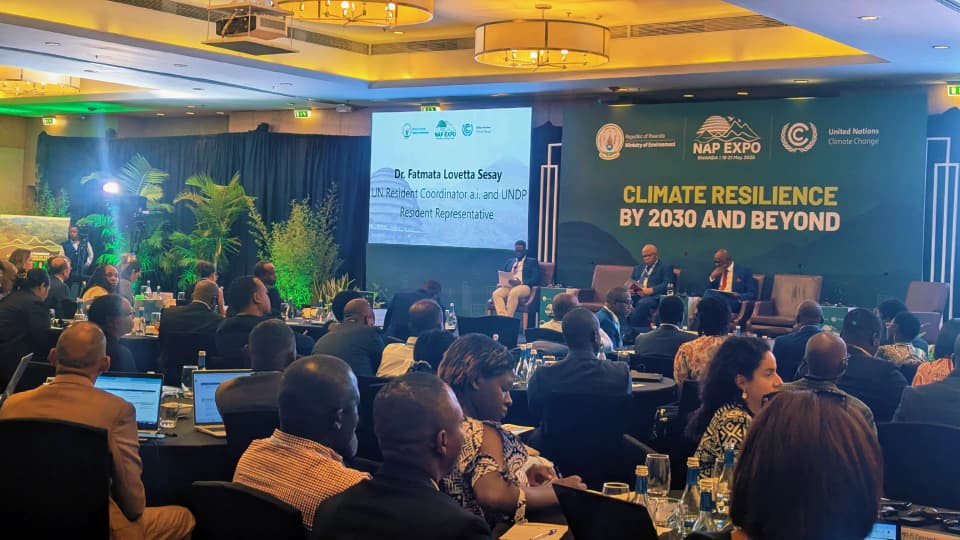
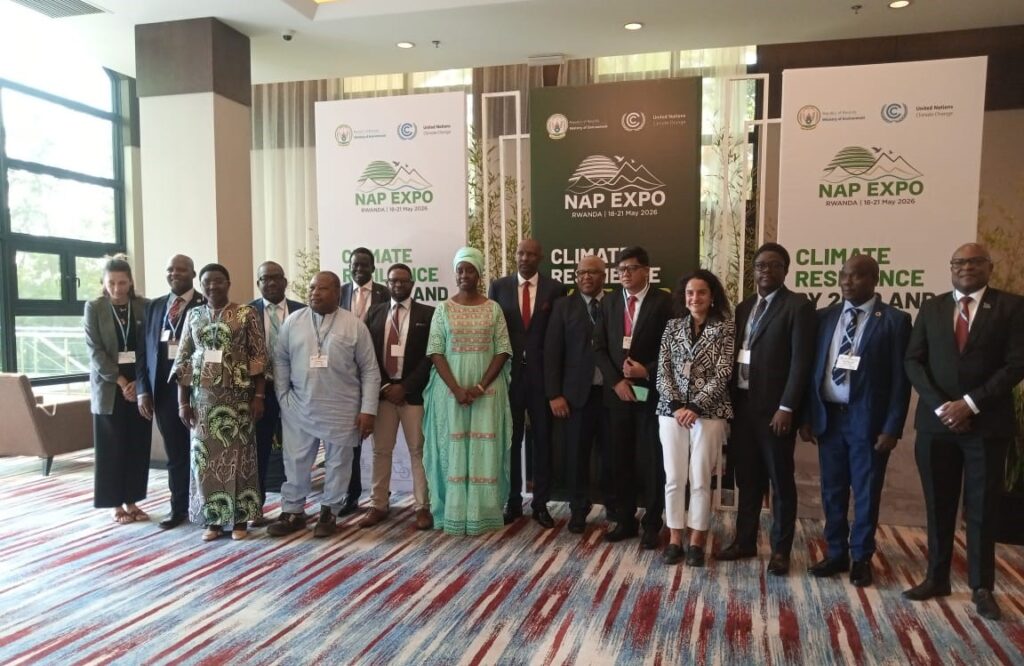
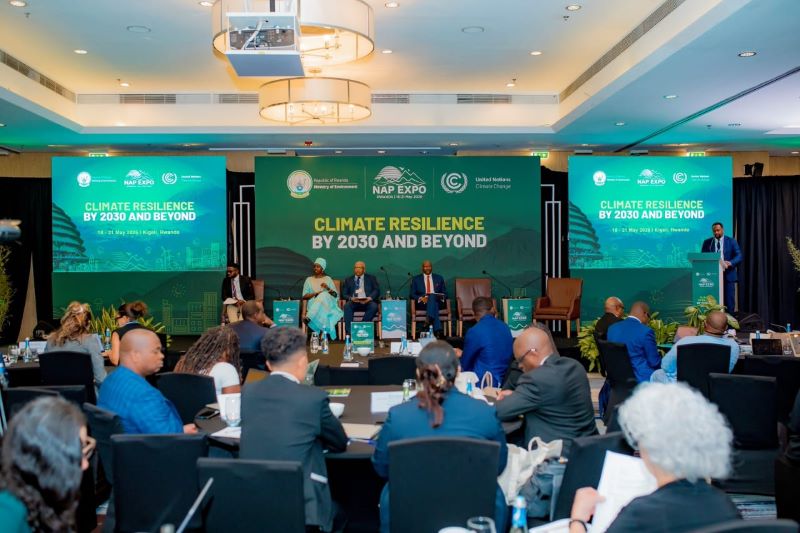
It is in this context that Kigali is hosting the NAP EXPO Kigali 2026 from May 18 to 21, 2026, bringing together more than 200 participants, including representatives from different countries, development partners, donors, and environmental and climate change experts.
The conference aims to assess the progress of climate adaptation programs and projects, strengthen international cooperation, and mobilize investment to help countries implement sustainable climate resilience initiatives.
Officials from the Rwanda Environment Management Authority (REMA) said hosting the event is a major opportunity for Rwanda to showcase the progress it has made in environmental protection and climate change adaptation.
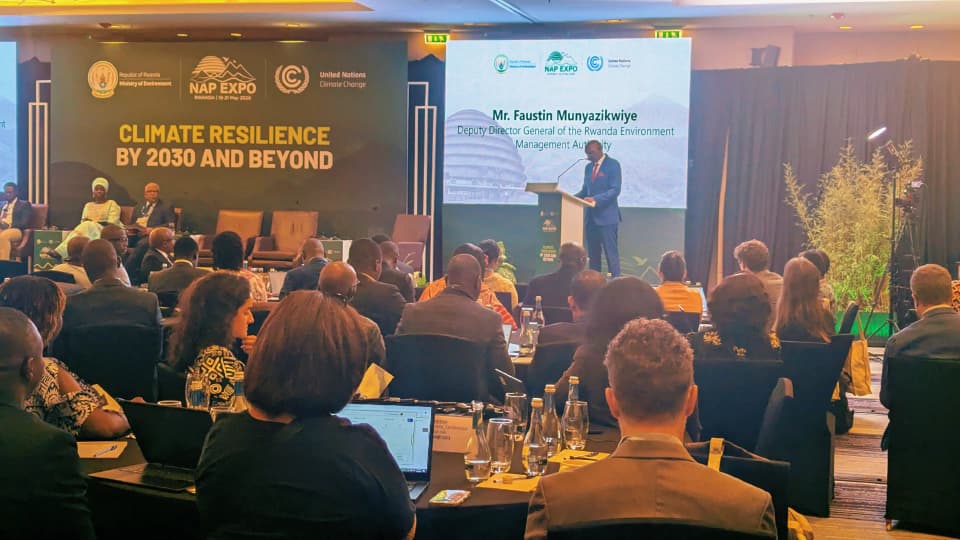
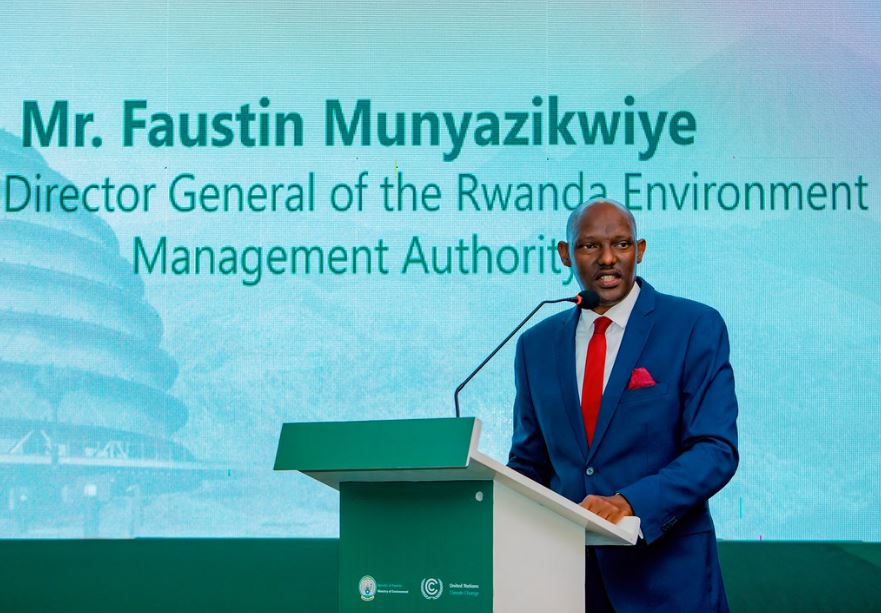
Faustin Munyazikwiye, the Director General of REMA, emphasized the need for countries to strengthen their capacity to access funding and implement projects that help communities cope with climate-related disasters and challenges.
“This conference is an important platform that allows countries to share experiences, discuss ways to improve access to climate finance, and implement projects that help communities respond to disasters and the impacts of climate change,” he said.
He added that Rwanda has already made significant progress in environmental conservation through initiatives such as tree planting, forest restoration, and the promotion of climate-smart agriculture.
Some participants at the conference noted that developing countries continue to suffer the most from the effects of climate change, despite having limited access to adequate climate financing.
Environmental researcher Ufitinema said Rwanda, like many other countries, still has a long journey ahead to ensure that the current effects of climate change do not heavily impact communities, but acknowledged that the country is moving in the right direction.
“Many developing countries have good climate adaptation projects, but the biggest challenge remains limited access to sufficient funding needed to implement them,” he explained.
Participants described NAP EXPO Kigali as an important platform for strengthening collaboration between governments, development partners, and donors in order to find sustainable solutions to climate change impacts.
To protect citizens and strengthen resilience against climate-related disasters, Rwanda continues to implement various initiatives, including tree planting and forest restoration, Construction of terraces to prevent soil erosion, Promotion of climate-smart agriculture, Development of flood control infrastructure, Expansion of renewable energy solutions such as biogas and solar power, Promotion of energy-efficient cookstoves, Timely dissemination of weather forecast information, Relocation of residents living in high-risk zones.
These initiatives are aimed at reducing the effects of climate change while improving the livelihoods of citizens in a sustainable manner. Environmental experts stress that addressing climate change requires collective responsibility involving governments, development partners, and citizens alike.
Protecting the environment, using natural resources responsibly, and increasing investment in environmental conservation projects are considered essential steps toward reducing climate change impacts and achieving sustainable development.
As the global community continues to seek lasting solutions to the climate crisis, Rwanda is increasingly positioning itself as a model country in environmental protection and climate resilience efforts.