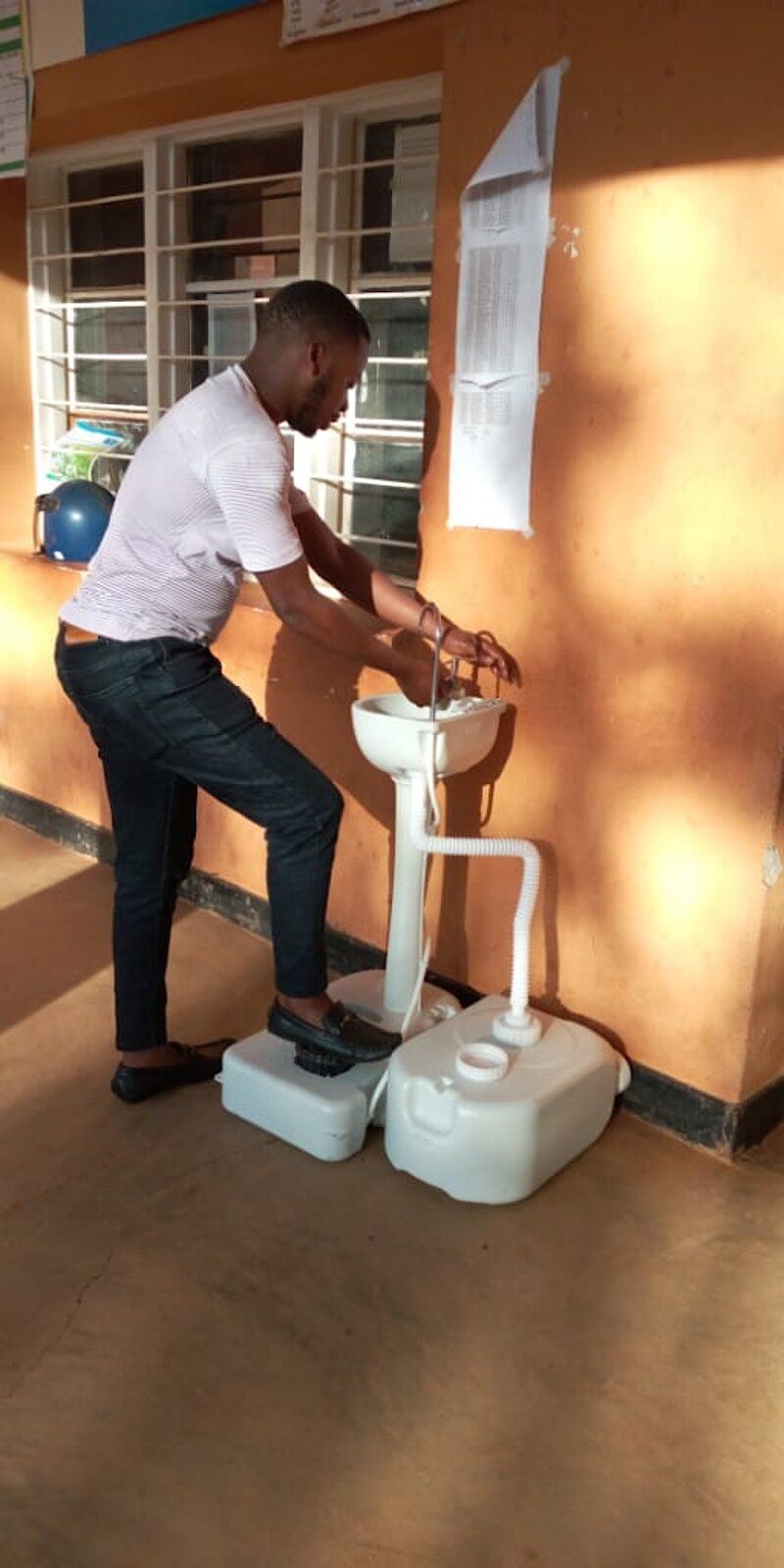
The idea, commonly expressed in the phrase “kandagira ukarabe”, encourages placing handwashing facilities at household entry points so that people clean their hands immediately upon entering.
Health experts emphasize that this small action can have a major impact on disease prevention. The World Health Organization estimates that proper hand hygiene can reduce respiratory infections by about 20% and diarrhoeal diseases by up to 40%, particularly when soap and water are used consistently.
Global studies conducted between 2016 and 2022 support these findings, showing that handwashing with soap reduces diarrhoeal diseases by 30–40% and respiratory infections by 16–21%. This makes it one of the most cost-effective public health interventions available.
These findings are especially relevant for diseases such as cholera, typhoid fever, and COVID-19, which are often spread through contaminated hands and poor hygiene practices.
In Rwanda, efforts to improve hygiene have already been integrated into national health policy. In November 2019, the Ministry of Health, in collaboration with UNICEF, launched the National Handwashing Sub-Strategy (2019–2024). The strategy promotes handwashing with soap at critical moments, including after using the toilet, before eating, and upon entering the home.
Health officials say the initiative aims to reduce preventable diseases, particularly among children under five, who are most vulnerable to hygiene-related illnesses. Public health specialists argue that expanding this practice to include household entry points through the “kandagira ukarabe” approach could further strengthen these efforts by making handwashing an automatic habit.
The benefits are wide-ranging. From a health perspective, it helps prevent germs from entering the home, reducing the spread of infections within families. Economically, fewer illnesses mean lower healthcare costs and fewer lost workdays for adults and school days for children.
The approach also supports education outcomes. Healthier children are more likely to attend school regularly, while improved family health contributes to greater household productivity. Beyond individual households, widespread adoption could improve overall community health. When fewer infections spread within homes, transmission in schools, markets, and public spaces also declines.
However, challenges remain. Limited access to clean water and soap in some areas continues to hinder consistent handwashing practices. Public health experts stress that investment in infrastructure, community awareness, and affordable hygiene solutions will be essential to scale up the practice nationwide.
Despite these challenges, Rwanda’s continued commitment to hygiene promotion, combined with strong global evidence, suggests that small behavioral changes can lead to significant health gains.
Ultimately, “kandagira ukarabe” is more than a cultural expression it is a practical, evidence-based preventive health strategy. If widely adopted, it could turn every household entrance into a first line of defense against disease, helping build healthier families and stronger communities.