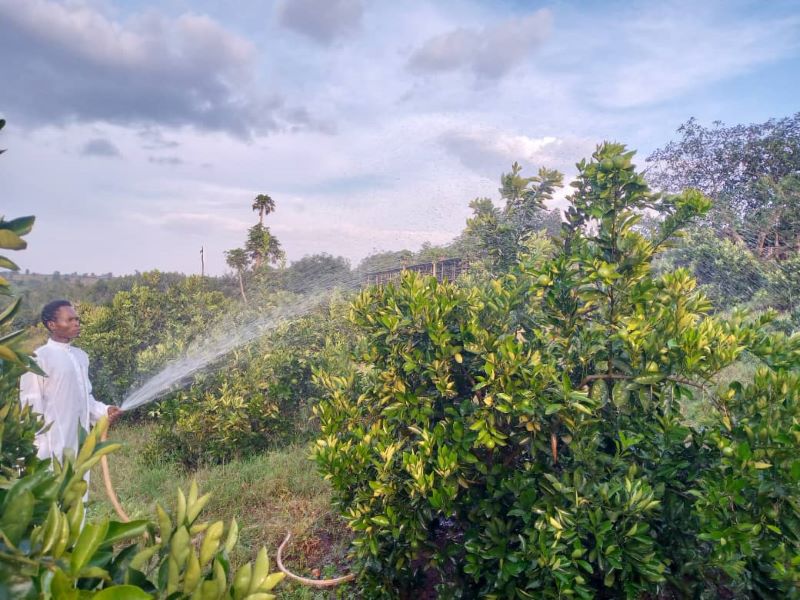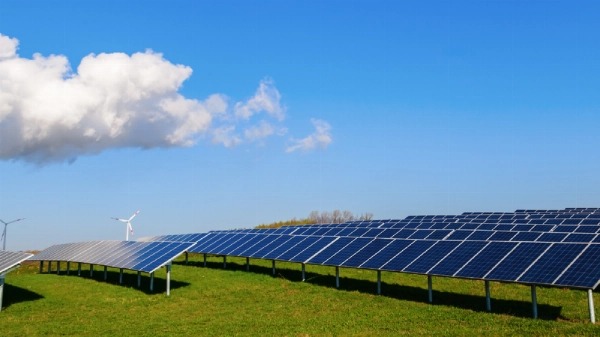
As climate change continues to disrupt agriculture, especially in regions affected by prolonged droughts and irregular rainfall, farmers in Rwamagana District are finding a sustainable solution through the use of renewable energy for irrigation.
Renewable energy sources such as solar, wind, and hydropower are key pillars of sustainable development. They are naturally replenished and play an important role in reducing environmental degradation. In agriculture, these energy sources are increasingly being used to power irrigation systems and to preserve harvests after production.
Farmers in the district say they previously struggled with unreliable rainfall, which often led to low yields.
Lorien, one of the farmers who has adopted solar-powered irrigation systems, explains:
“Before, we relied entirely on rainfall. Now, we can irrigate whenever we need water. Our yields have increased significantly, and we are more confident about our production.”
This shift highlights how renewable energy-powered irrigation helps farmers become less vulnerable to changing weather patterns by ensuring consistent access to water.
Emmanuel Ndagijimana, a coordinator in the private sector federation for renewable energy stakeholders, notes that there has been clear progress in integrating modern technology into agriculture.
“There are many emerging solutions, including irrigation and post-harvest preservation systems powered by renewable energy. These help increase productivity and ensure that crops reach the market in good condition.”
The Rwamagana District administration has also set targets to boost productivity per hectare by promoting sustainable approaches, including the use of renewable energy in irrigation, particularly in water retention sites known as FoBaSi.
Richard Rwamunono Kagabo, The Vice Mayor in charge of Economic Development, says: “We are investing in expanding water reservoirs and connecting them to renewable energy-powered irrigation systems, so that farmers can adopt professional farming practices and achieve higher yields.”
Pudence Rubingisa, the Eastern Province Governor emphasizes that renewable energy use in agriculture is a key pathway to improved productivity.
“Our goal is to ensure that farmers have adequate and timely access to water, which will increase production and meet market demand. We are investing in infrastructure that supports irrigation and post-harvest management.”
Beyond irrigation, renewable energy is also being used in post-harvest handling, particularly in cooling and storage systems. Service providers say this innovation is helping reduce losses that previously occurred before produce reached the market.
Overall, farmers, authorities, and private sector actors agree that renewable energy-powered irrigation is a sustainable and effective response to climate change. It not only boosts agricultural productivity but also protects the environment and promotes technology-driven farming.