As agriculture continues to be the backbone of Rwanda’s economy supporting more than 65% of the population significant challenges persist. These include limited land availability, climate change impacts, and difficulties in accessing reliable markets. Together, these constraints negatively affect both agricultural productivity and farmers’ livelihoods.
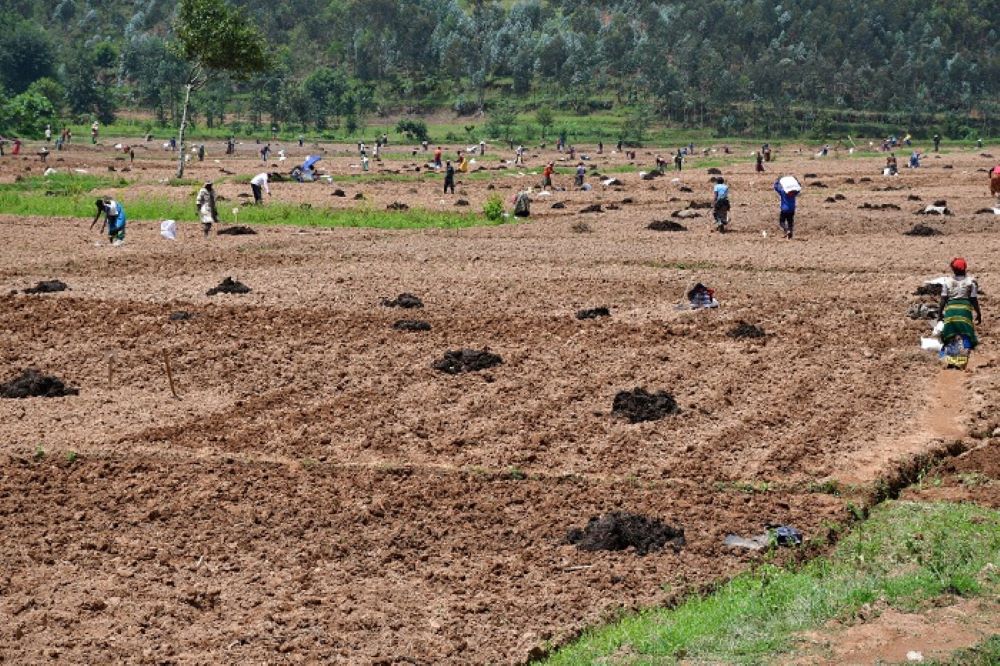
In response, a new initiative known as FoBaSi (Food Basket Sites) has been introduced to modernize and strengthen agricultural practices. FoBaSi is designed to consolidate farming activities on larger plots of land, enabling farmers to work collectively while gaining access to improved seeds, fertilizers, training, advisory services, and structured markets.
To date, over 13,000 FoBaSi sites have been established across the country, covering more than 490,000 hectares demonstrating the rapid expansion and growing importance of this approach.
Research conducted in the districts of Gatsibo, Muhanga, Nyamagabe, and Nyaruguru indicates that FoBaSi is already playing a significant role in increasing agricultural output. However, several challenges remain. These include variations in soil productivity, soil erosion and landslides in hilly areas, continued reliance on low-value crops, and a lack of adequate storage and post-harvest handling facilities.
Despite the promise of FoBaSi, farmers still face critical issues such as selling produce at low prices due to insufficient storage, price volatility in markets, limited advanced agricultural knowledge, and weak financial management within farmer groups.
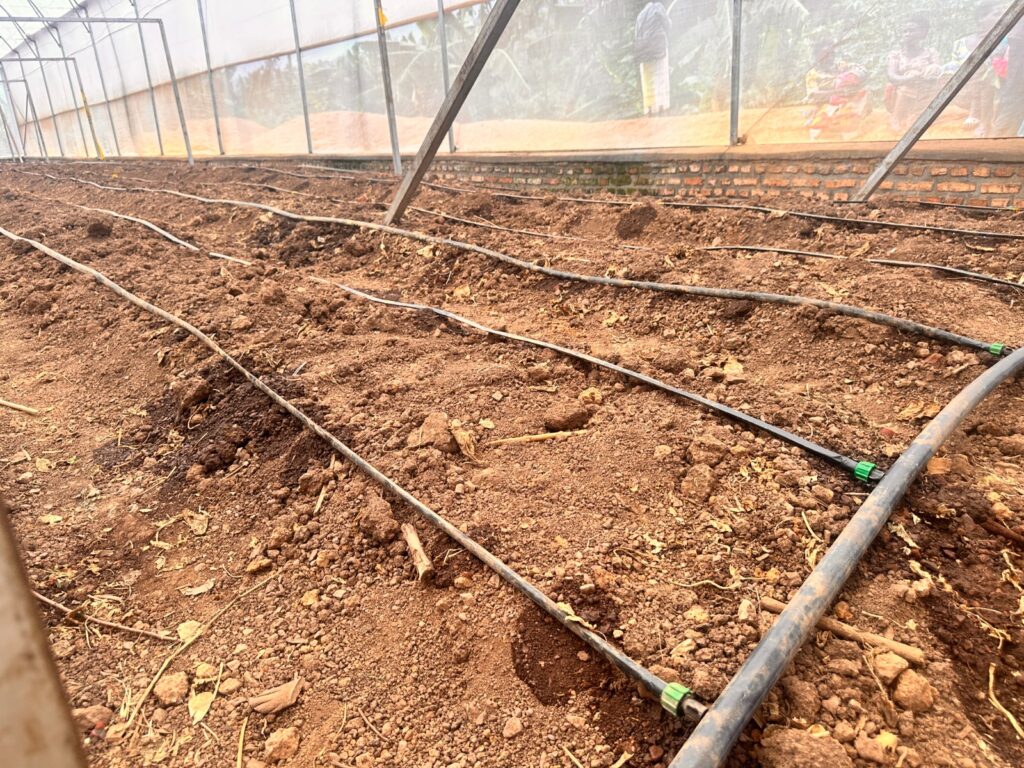
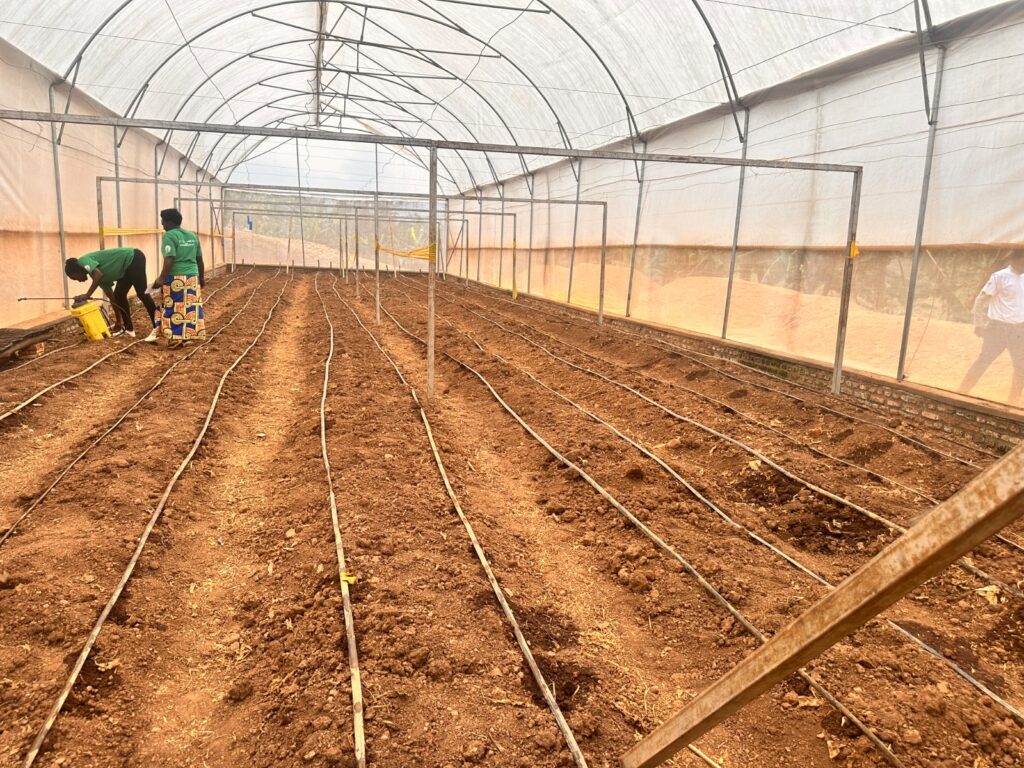
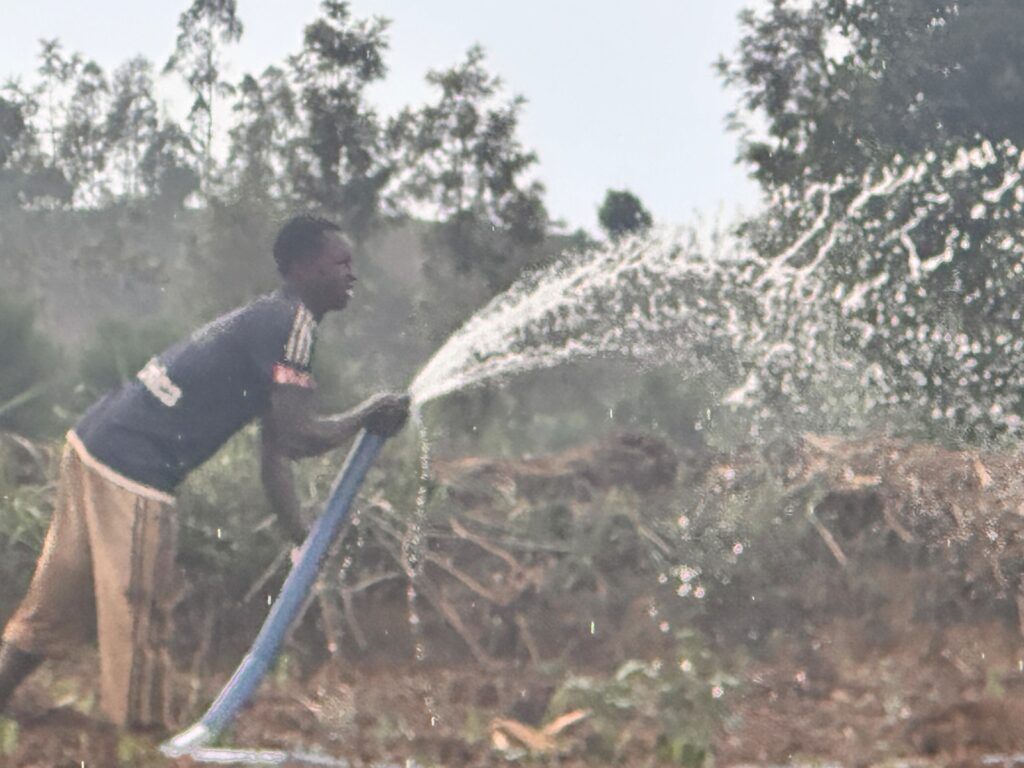
To ensure FoBaSi achieves its full potential, researchers emphasize the need for targeted interventions. These include strengthening farmer training and extension services, improving access to credit, expanding market opportunities, promoting agro-processing industries, and investing in infrastructure such as irrigation and storage facilities.
The Ministry of Agriculture and Animal Resources (MINAGRI) is encouraging farmers to actively participate in the FoBaSi program, highlighting its potential to improve the efficient use of agricultural inputs and significantly increase yields.
Dr. Olivier Kamana, the Permanent Secretary in the ministry of Agriculture and Animal Resources, noted: “The FoBaSi program will help farmers effectively utilize improved seeds and substantially increase productivity.”
Private agronomists, organized under ROPAAS, also play a crucial role by providing extension services that support farmers in improving yields. However, they point out that their services are still not widely recognized. Oswald Shyirambere stated: “The services we provide help farmers increase production, but they still need greater visibility and recognition.”
Marie Goretti Nyirabagenzi added: “ When farmers understand the value of these services, they are more willing to invest in them because they see the direct benefits in increased income.”
FoBaSi aligns with MINAGRI’s 2024–2029 strategic plan, which aims to increase agricultural and livestock productivity by 50% through the adoption of technology, enhanced farmer capacity building, and improved use of inputs. To fully benefit from FoBaSi, farmers are encouraged to actively participate in the program, follow agronomic advice, use certified improved seeds, adopt irrigation where possible, apply inputs correctly and on time, and conduct market research before planting.
FoBaSi has the potential to become a transformative solution to Rwanda’s agricultural challenges. However, its success will depend on strong collaboration among government institutions, private sector actors, and farmers themselves.
If effectively implemented, this initiative could shift agriculture from subsistence farming to a modern, market-oriented sector ultimately contributing to sustainable economic growth in Rwanda.