On March 24, 2026, a multi-stakeholder consultative meeting was held in Kigali, bringing together various actors involved in the agriculture sector. The meeting aimed to assess the services provided to farmers, identify the challenges they face, and explore sustainable solutions to improve both agricultural productivity and farmers’ livelihoods.
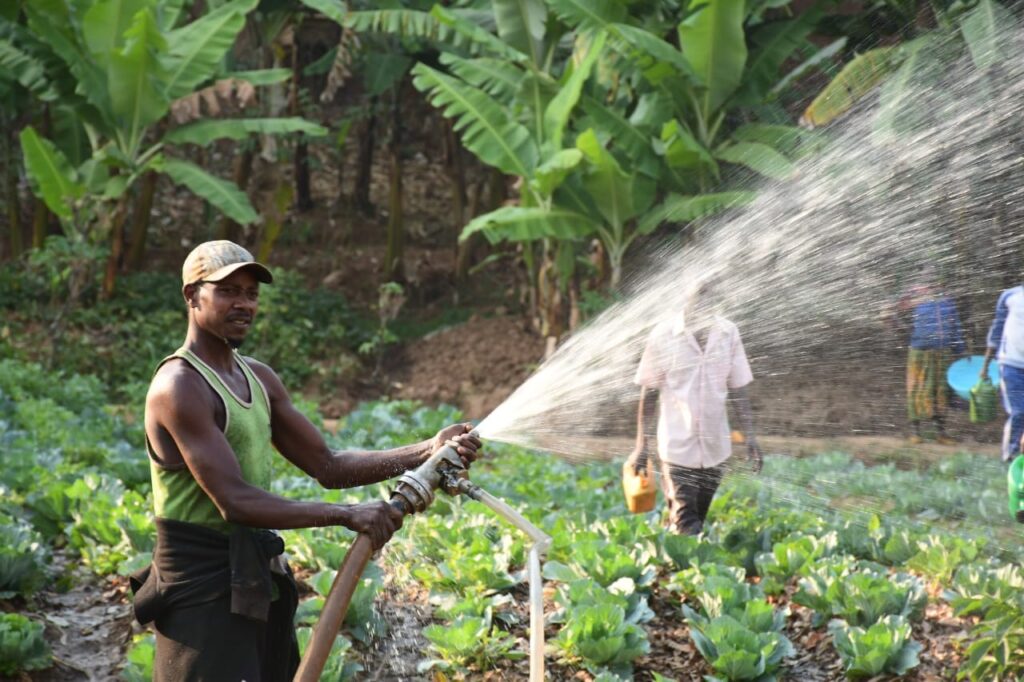
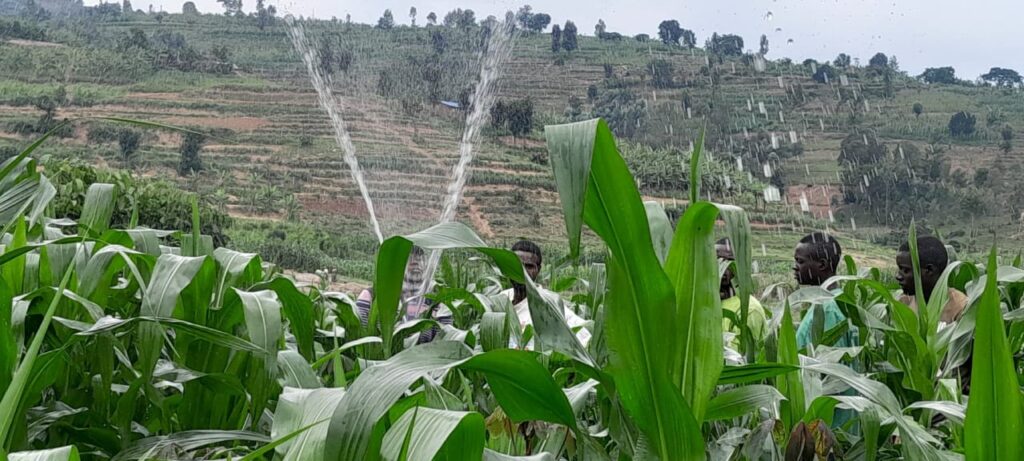
During the discussions, farmers highlighted several pressing challenges affecting their daily activities, with limited access to irrigation water emerging as one of the most critical issues. Divine Umurerwa, a farmer from Gitoki Sector in Gatsibo District, emphasized the severity of the problem. “Lack of irrigation facilities is a major obstacle for us. It significantly reduces our yields, especially during dry seasons,” she said.
From the cooperative perspective, Desire Makuza, head of the ABISHYIZE HAMWE – URWONJYA cooperative operating in Cyahinda and Nyagisozi sectors of Nyaruguru District, echoed similar concerns. “Without access to irrigation water, all agricultural activities are disrupted. We call for sustainable solutions to help us secure reliable water sources,” he noted.
Researchers specializing in agriculture and rural livelihoods also confirmed the validity of these concerns. Leonidas Dusengemungu, who conducted a study on farmers’ socio-economic conditions, pointed out that several barriers still prevent farmers from achieving optimal productivity. “Our research shows that although progress has been made, significant gaps remain in how farmers access essential services needed to boost production,” he explained.
The six-month study was conducted across the districts of Gatsibo, Nyaruguru, Nyamagabe, and Muhanga, with the goal of examining how agriculture can be further strengthened as a backbone of the national economy.
Yvonne Mutakwasuku, Executive Director of CCOIB, stated that the findings of the study will be used for advocacy to ensure meaningful change. “The findings from this research will not end here. We are committed to advocating for practical solutions that will bring real impact to farmers,” she said.
Jean Paul Nduwimana, Advisor to the Director General at the Rwanda Agriculture and Animal Resources Development Board (RAB), reassured participants that the identified challenges will be addressed. “The gaps identified in this research will be taken seriously, and efforts will be made to find sustainable solutions that improve both productivity and farmers’ livelihoods,” he affirmed.
The meeting concluded with renewed hope among farmers that their concerns particularly access to irrigation water and essential agricultural services will be addressed, ensuring that agriculture continues to play a central role in the country’s development.