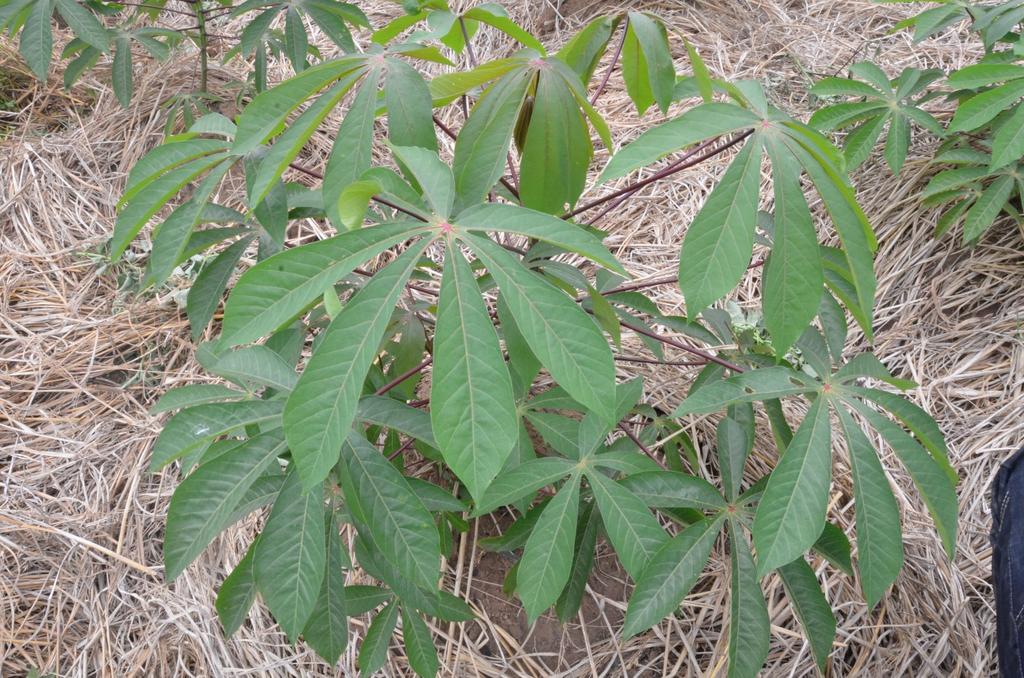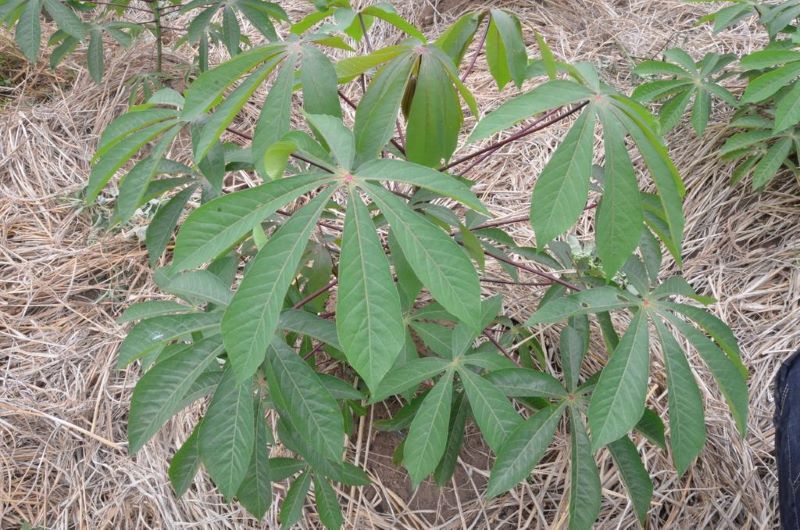
After nearly seven years of scientific research, the Rwanda Agriculture and Animal Resources Development Board (RAB) has announced the successful trial of new cassava varieties that are more resistant to diseases. Farmers and researchers alike say this development could significantly transform cassava farming in Rwanda.
A total of eight cassava varieties were tested, including five that have been enhanced to resist common diseases such as cassava brown streak disease and cassava mosaic disease both of which have caused major losses for farmers over the years.
Farmers who participated in tasting and evaluating the new varieties expressed strong optimism, noting improvements in both yield potential and taste. Many explained that previous cassava crops were frequently destroyed by disease, leading to heavy losses. These new disease-resistant varieties, they believe, could offer a lasting solution.
Dative Uwizeyimana, a farmer from Gisagara District, said:
“This cassava tastes good and appears strong enough to withstand diseases. If we receive these seeds, production will increase significantly. We urge RAB to distribute them to us as soon as possible.”
On the research side, Dr Athanase Nduwumuremyi, Head of Roots and Tubers Research at RAB, confirmed that the results are highly encouraging.
“All the varieties we tested showed strong performance in terms of yield and disease resistance. This marks a major step forward in ensuring farmers’ productivity and food security,” he said.
He added that the next step is to make these improved varieties available to farmers within the next year, once all official approval processes are completed.

Cassava is not the only crop under research. RAB is also working on improving other crops such as potatoes and maize, with the goal of increasing productivity and building resilience against climate change and crop diseases.
This progress highlights the critical role of science and research-driven innovation in advancing agriculture. By addressing long-standing challenges, scientific solutions are helping reshape Rwanda’s agricultural sector.
Once these improved cassava varieties are widely distributed, they are expected to significantly boost yields, improve farmers’ livelihoods, and reduce losses caused by crop diseases. Ultimately, this development underscores how science is becoming a sustainable and powerful driver of agricultural growth and economic development in Rwanda.