As farmers across Rwanda continue to struggle with crop diseases that cause significant losses, agricultural researchers say that genetically modified organisms (GMO) technology could offer a sustainable solution.
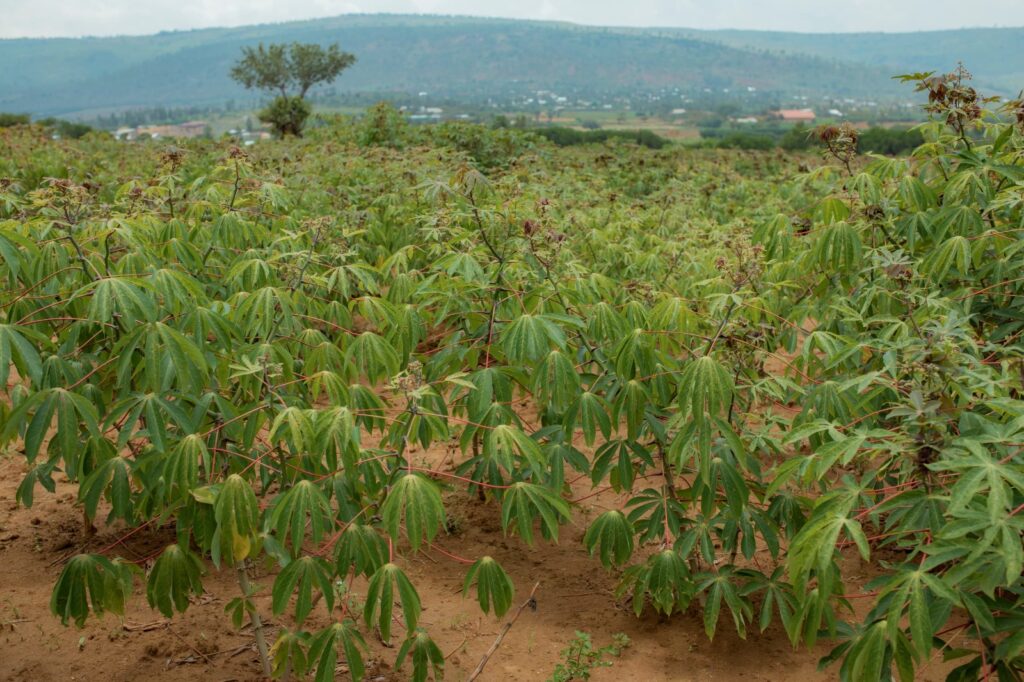
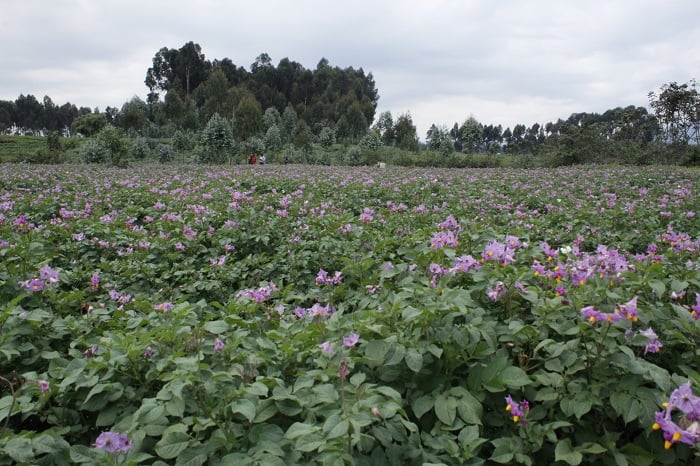
These diseases include banana bacterial wilt affecting bananas, cassava brown streak disease, fall armyworm damaging maize, and late blight in potatoes. They have led to a noticeable decline in agricultural productivity. Some farmers report that these persistent crop diseases have resulted in heavy financial losses and, in some cases, food insecurity.
Claudine Mukamana, a farmer from Ngoma District, said:
“We planted potatoes and maize, but diseases destroyed them before harvest. Sometimes, my children and I face hunger because of these constant losses.”
Another farmer, Jean Claude Niyonzima from Gatsibo District, added:
“We use a lot of pesticides, but they don’t provide a lasting solution. Our crops keep getting infected, leaving us with nothing to eat or sell.”
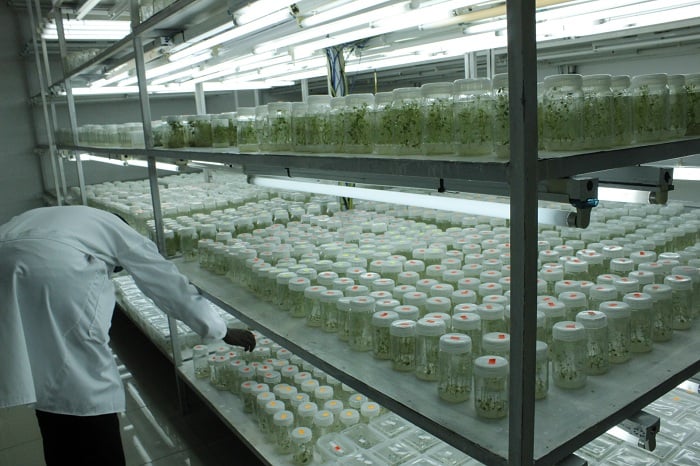
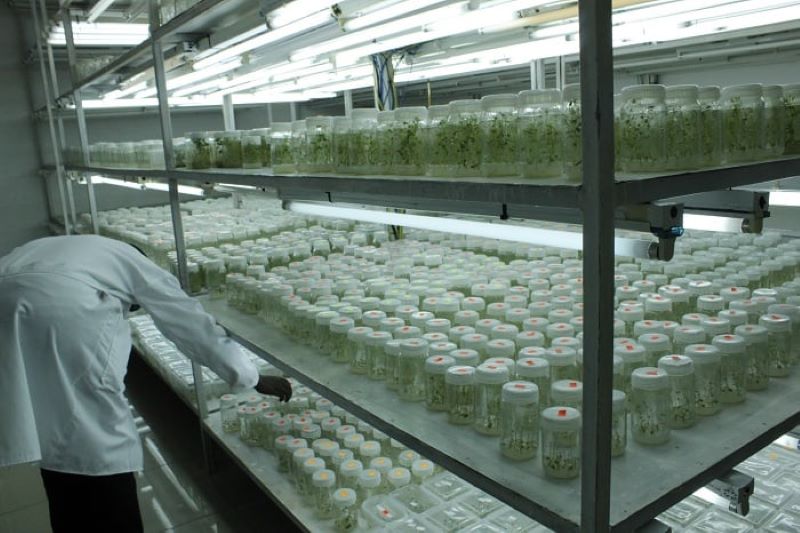
In search of sustainable solutions, scientists have turned to biotechnology, including genetic modification of crops to improve yield and resistance to diseases. This technology is known as GMO (Genetically Modified Organisms). Although GMO technology is not yet approved for use in Rwanda, research on it has been ongoing across various crops.
Dr. Athanase Nduwumuremyi, a researcher at the Rwanda Agriculture and Animal Resources Development Board (RAB) and head of the Open Forum on Agricultural Biotechnology (OFAB) in Rwanda, explains that GMO could transform agriculture. “Our research shows that GMO crops can be resistant to diseases, which can significantly increase productivity,” he said.
The Minister of Agriculture and Animal Resources, Dr Telesphore Ndabamenye, noted that steps are being taken to establish laws that would allow the use of this technology in Rwanda.
“We are still awaiting the approval of the necessary legislation. Once it is passed, GMO technology will help increase production and reduce crop diseases,” he said.
Currently, many farmers rely heavily on pesticides to combat crop diseases. However, experts argue that these chemicals do not provide a sustainable solution. A 2020 study conducted by the University of Rwanda in collaboration with non-governmental organizations found that excessive pesticide use has negative impacts on the environment, animals, and human health.
These chemicals can degrade soil quality, kill beneficial insects such as bees, and pose health risks to those who apply them. Agricultural experts suggest that if GMO technology is adopted, it could reduce reliance on pesticides, thereby helping to protect the environment.
However, concerns remain about the potential effects of GMO on human health and ecosystems, highlighting the need for thorough evaluation and clear regulatory frameworks before its implementation.
As Rwanda continues to seek solutions to challenges facing its agricultural sector, GMO technology is seen as a promising option. However, any decision to adopt it will require balancing agricultural development with the protection of public health and the environment.