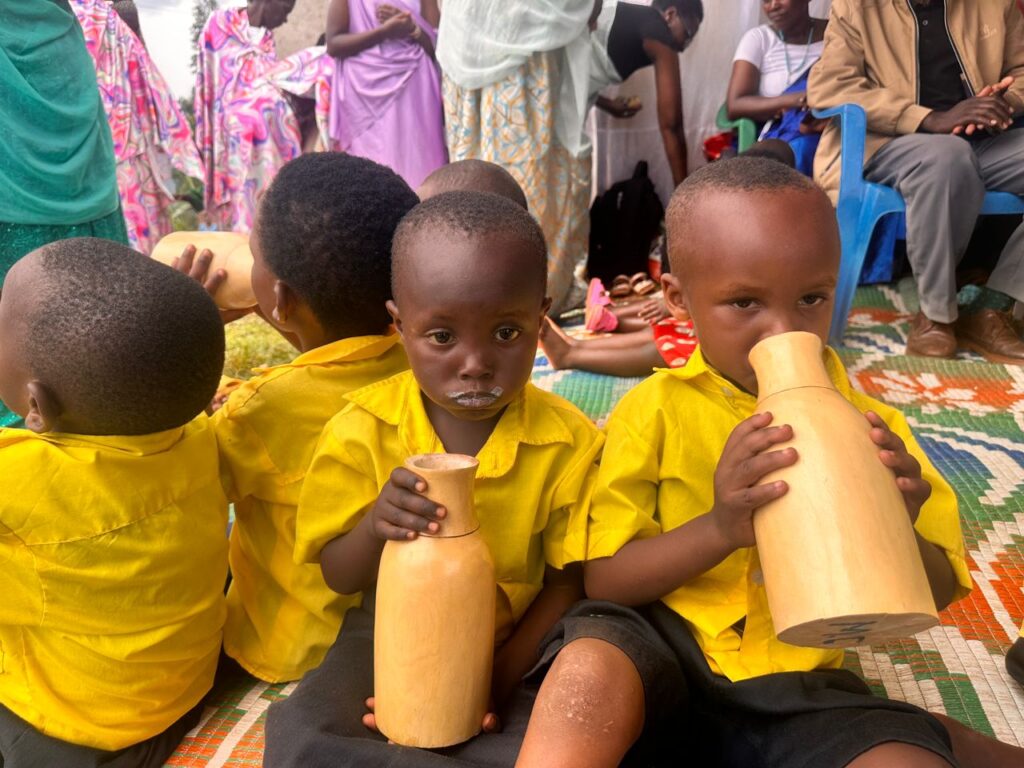
The Minister of Agriculture and Animal Resources, Dr. Telesphore Ndabamenye, has called on all institutions involved in combating malnutrition to move beyond meetings and discussions and focus on practical, community-centered interventions especially for children under five.
He made this appeal during a high-level consultative meeting held on Tuesday, December 2, 2025, in Kigali. The meeting was organized by MINAGRI in partnership with UNICEF Rwanda and other stakeholders, under the theme:“Promoting Good Nutrition and Well-being for Children and Mothers in Rwanda.”
Although Rwanda has made significant progress in improving the well-being of its citizens and reducing poverty levels, malnutrition,particularly among young children and pregnant or breastfeeding women remains a major public health concern.
Minister Ndabamenye emphasized that many training sessions and workshops have not translated into immediate improvements because the root cause often lies in the lack of sufficient food in households.
He stated:“We cannot continue to hold endless meetings and trainings. Families need adequate food. If you give me an egg, I will eat it,you don’t need to spend hours teaching me how to eat it. These problems must be addressed directly in the households and on the farms.”
He insisted that future discussions and learning sessions should take place on farms, where parents can practice what they are being taught immediately and practically.
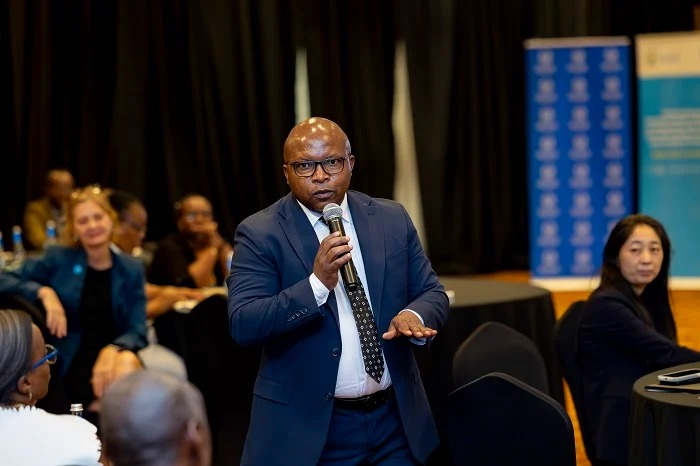
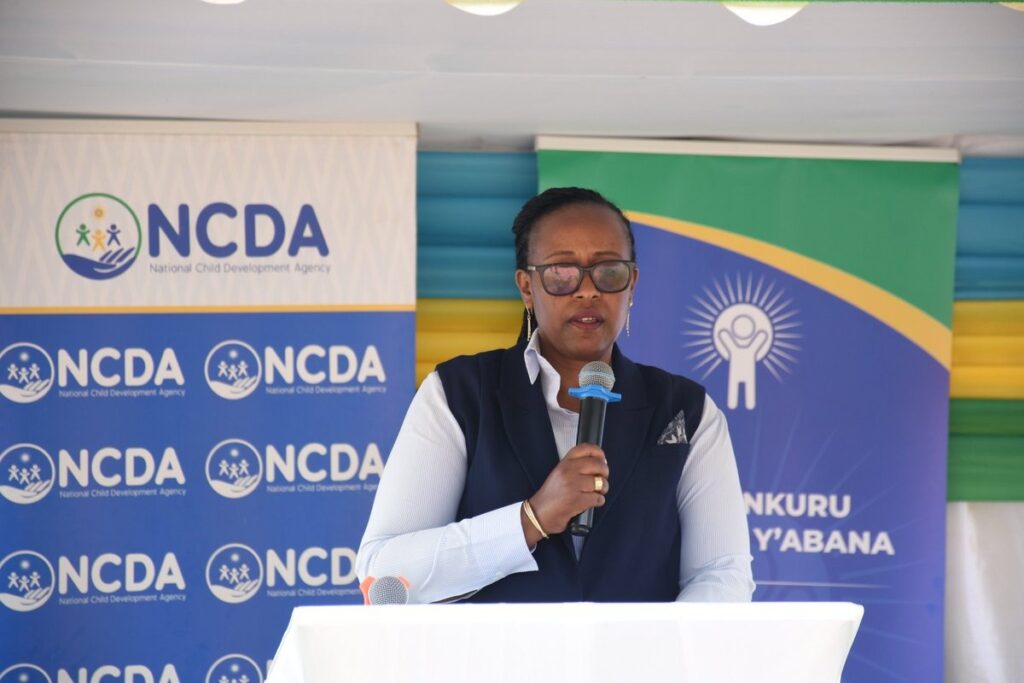
The Director General of the National Child Development Agency (NCDA), Assumpta Ingabire, explained that limited knowledge among parents remains one of the major drivers of child stunting.
For example, although pregnant women are required to attend at least eight antenatal care visits, less than 55% follow this recommendation. This leads to a higher number of babies born with low birth weight, increasing the risk of stunting.
She added:“Children need diverse and frequent meals. When a child eats the same type of food every day, it affects their growth. Foods rich in animal protein are still scarce in many households.”
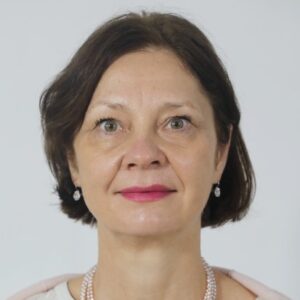
The UNICEF Representative in Rwanda, Lieke Van de Wiel, stressed that children under two and under five are the most vulnerable to the consequences of poor nutrition.
She noted:“These children need nutrient-rich foods, especially animal-source foods. Without them, a child may appear healthy on the outside but lack essential nutrients, which hinders their growth and affects their learning and future potential.”
According to 2020 data, Rwanda’s stunting rate stood at 33%, down from 38% in 2015. The government aims to reduce this rate to 15% within the next five years. However, Minister Ndabamenye warned that such goals will only be met if national efforts shift from endless meetings to real, measurable actions in communities
In his concluding remarks, the Minister emphasized several key priorities:Promoting nutrition-sensitive agriculture, especially nutrient-rich crops,Training households on preparing balanced meals,Encouraging early and consistent healthcare for pregnant women and children,Turning lessons from trainings into tangible actions in communities.
He stressed that the fight against malnutrition cannot be won through words alone, but through sustained, hands-on involvement in households and farms across the country.