Climate change continues to be one of the major challenges affecting agriculture in Rwanda, with prolonged dry seasons often causing heavy losses for farmers. To address this issue, farmers in Kirehe District have started practicing Smart agriculture, a farming method that allows them to cultivate without harming the soil while increasing productivity.
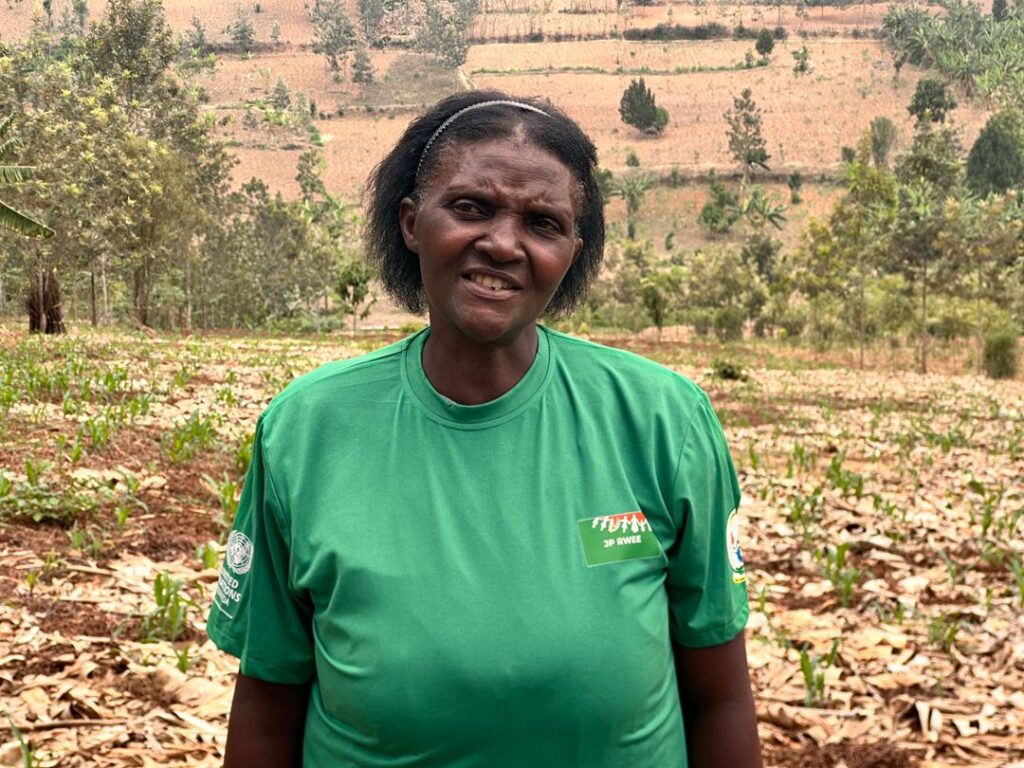
Espérance Uwizeyimana, a farmer from Terimbere Muhinzi Cooperative in Gahara Sector, Kirehe district explained that they learned about Smart agriculture through training organized by JP RWEE, in collaboration with international organizations including IFAD, UN Women, FAO, and WFP.
She said: “We were trained on how to cultivate without degrading the soil while increasing productivity compared to our previous methods.”
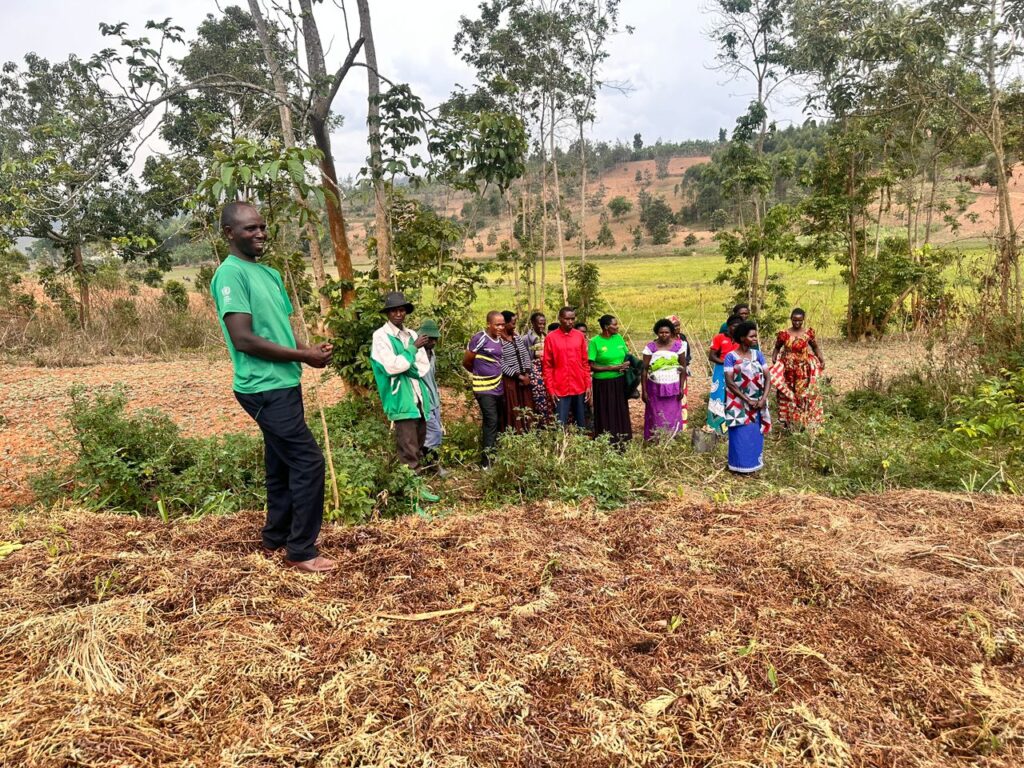
After the training, lead farmers were tasked with passing on the knowledge to other cooperative members. They began with a one Are plot where they experimented with Smart agriculture, Integrated Pest Management (IPM), and traditional farming methods.
The yield results showed a significant difference where Smart agriculture gives 108 kilograms of maize per are,IPM gives 73 kilograms,and Traditional farming gives only 23 kilograms.
Following these results, the cooperative decided to expand Smart agriculture to 60 ares, as it proved to produce higher yields with less physical effort.
Espérance added that she now maintains a model kitchen garden cultivated using conservation techniques, located near a water source, which enables her to have vegetables even during dry seasons. “Even when it’s sunny, our vegetables don’t dry out because the soil is well mulched, retains moisture, and remains fertile.” She explained.
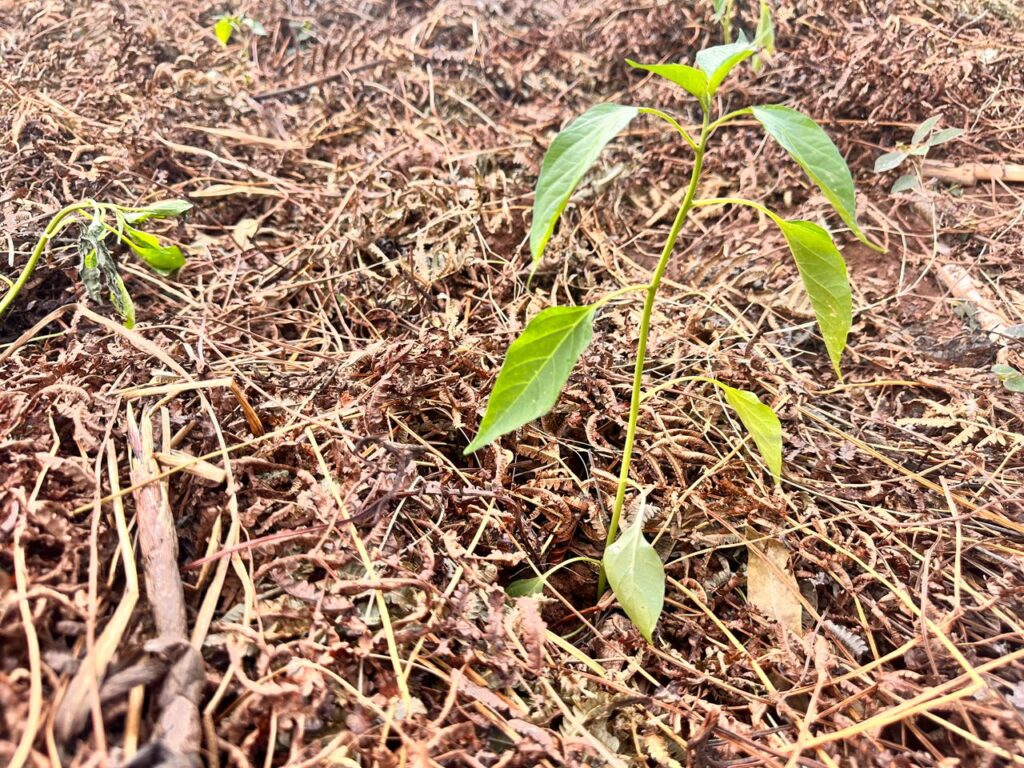
This method helps the soil maintain its natural fertility, prevents it from overheating, conserves water, and turns crop residues used as mulch into organic fertilizer. It also encourages beneficial soil organisms that support soil health and pest control, thereby protecting biodiversity.
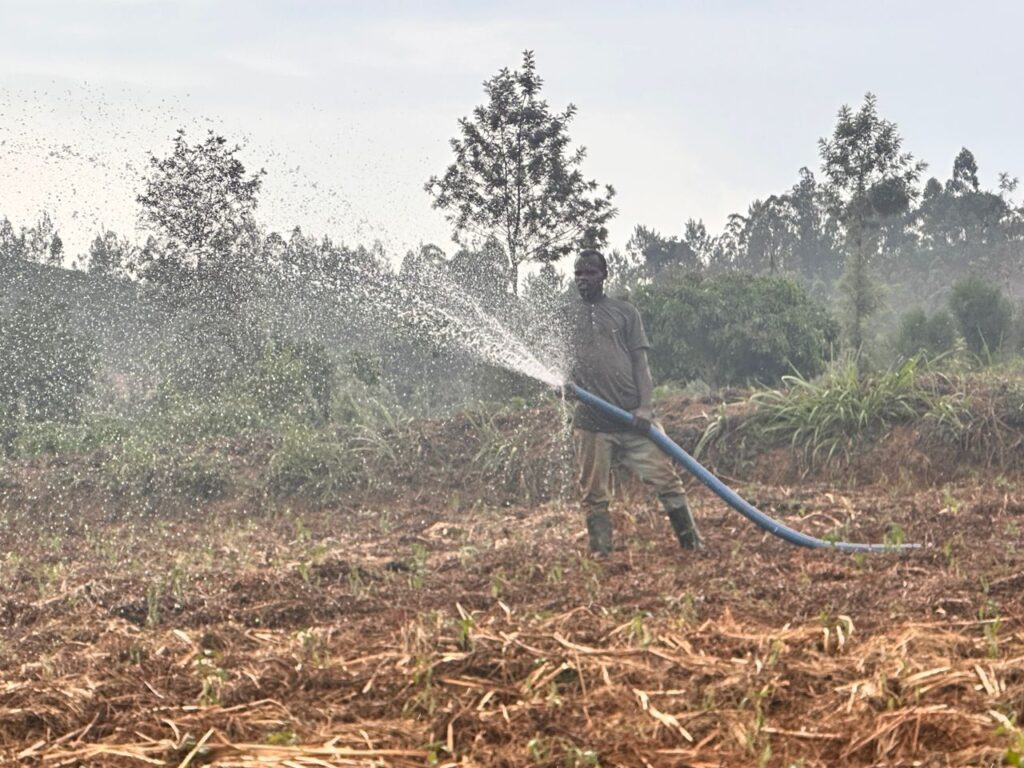
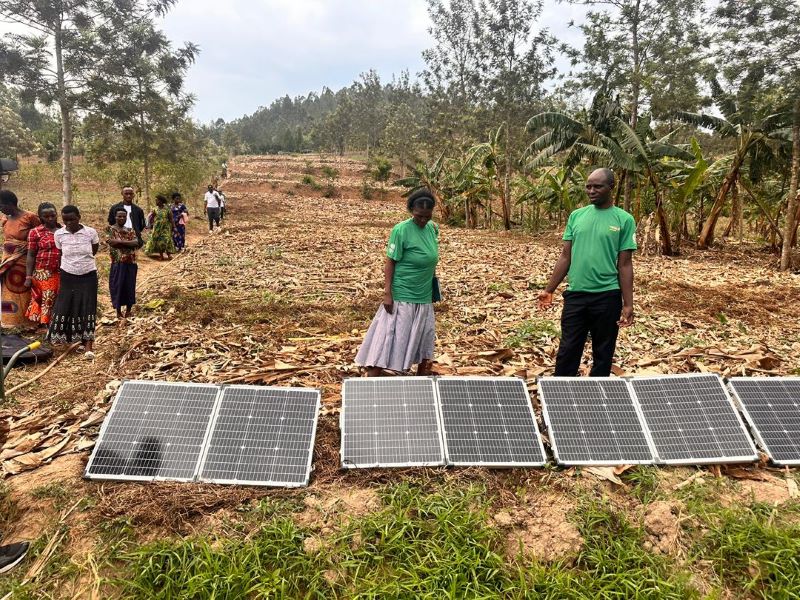
The Terimbere Muhinzi Cooperative has also started growing chili peppers and maize using the same method and practicing irrigation during dry periods. This has helped them keep their crops healthy, free from diseases and pests, and reduced the physical strain of weeding.
Elvis Nkundanyirazo, an IFAD staff member working with JP RWEE, said that Smart agriculture has been particularly beneficial to women farmers who used to struggle with the heavy labor of traditional farming.
“This method enables farmers to cultivate efficiently without harming the soil while increasing productivity. We have focused especially on training women because it reduces their workload and helps them achieve better harvests.” He expressed.
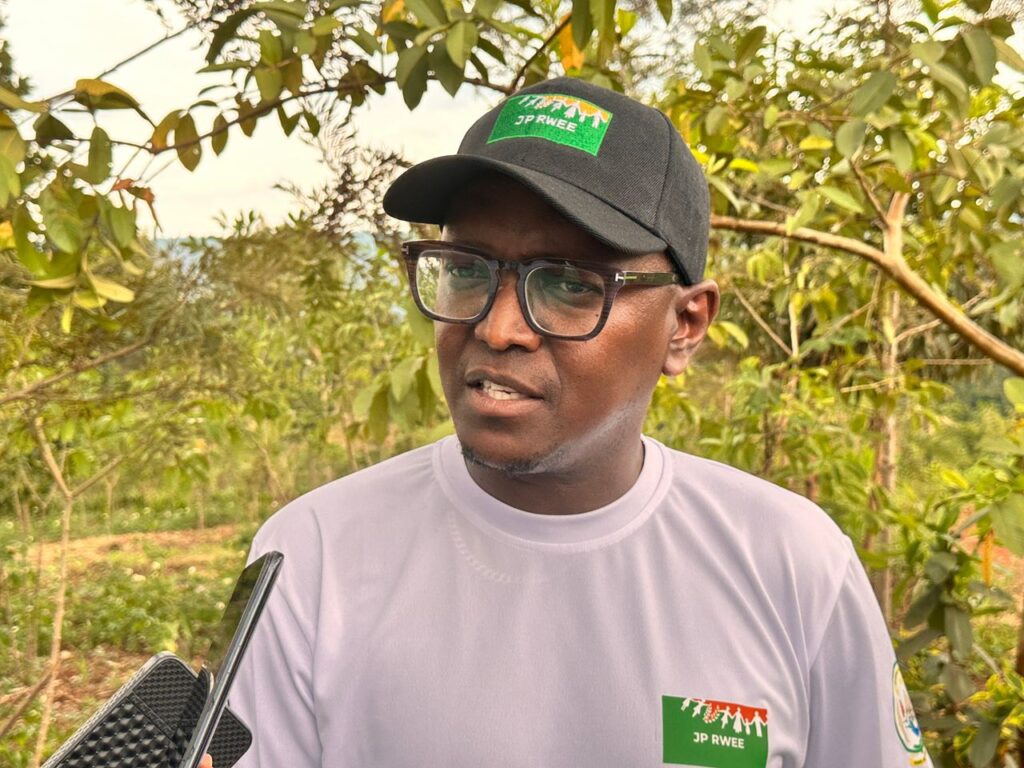
He added that research conducted by the Rwanda Agriculture and Animal Resources Development Board (RAB) confirmed that Smart agriculture has produced positive results wherever it has been applied.
Smart agriculture not only increases crop yields but also helps protect the environment, combat climate change, and preserve biodiversity. It represents a major step toward achieving sustainable agriculture and improving the livelihoods of Rwandan farming families.