


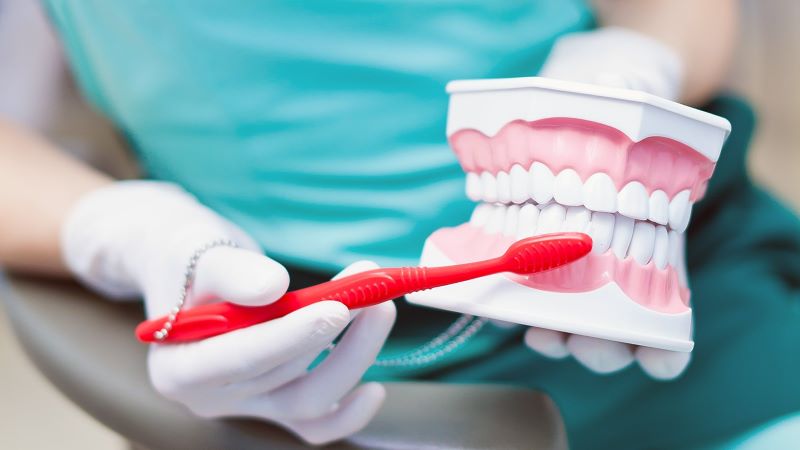
Oral hygiene is one of the essential practices every person need from early childhood through old age. Teaching children to care for their teeth from a young age is a powerful way to build a foundation for a healthy life. What children learn early often becomes lifelong habits that benefit them as they grow older.
Samuel Mbagoroziki, one of the founders of Dento-Medical Society Rwanda and a dental student at the University of Rwanda, emphasizes the importance of giving special attention to children’s oral health. He explains that children’s teeth are still developing and are more susceptible to damage. When parents start early by teaching proper tooth brushing techniques and helping children avoid sugary foods, it promotes a culture of good oral hygiene.
He adds that children’s teeth form the foundation for adult teeth. If they are damaged early, it can affect the permanent teeth that follow. He states:
“Dental diseases in children can cause pain, sleep disturbances, and poor concentration in school. Teaching a child proper oral hygiene habits help prevent dental problems throughout their life.”

Samuel advises parents to: Teach children to brush their teeth twice a day for at least two minutes each time, help them avoid foods and drinks high in sugar, take them for dental check-ups at least twice a year, teach them not to share toothbrushes or utensils like spoons and cups, which are used in the mouth.
Oral hygiene isn’t just for children it’s also crucial for youth, who face unique challenges such as: Frequent consumption of snacks and sugary drinks, habits like sharing items used in the mouth or kissing, which can increase the spread of germs.
When proper dental care is neglected, youth may suffer from: Tooth decay (cavities), gum diseases such as gingivitis and periodontitis, bad smelling (halitosis), which can lead to social embarrassment, oral infections, including those caused by viruses like HPV (Human Papilloma Virus).
Maintaining good oral hygiene helps young people build self-confidence, which is closely linked to having a clean mouth and fresh breath. Adults are also reminded not to neglect their oral health. Over time, failure to care for teeth can have serious health consequences, including: Severe gum disease that may lead to complete tooth loss, dry mouth (xerostomia) due to medication or aging, a link between oral health issues and systemic diseases such as heart disease, high blood pressure, and diabetes.
Adults are encouraged to: Visit the dentist regularly, use fluoride-based dental products to strengthen their teeth.
Ultimately, oral hygiene is a key pillar of overall health for everyone. However, special attention must be given to children’s teeth, because the habits they learn early in life become a lasting legacy for their future well-being.
Whether young or old, everyone has a responsibility to care for their teeth by: Brushing at least twice a day, avoiding harmful foods, especially those high in sugar, visiting dental professionals regularly.
To improve access to dental services, RBC (Rwanda Biomedical Center) and the Ministry of Health have included in their plan the integration of basic dental care services at local health centers. These include check-ups, counseling, and dental treatment using non-invasive tools that do not harm the teeth.
According to a 2021 RBC study, 67% of Rwandans brush their teeth only once a day,Only 19.3%brush twice daily, as recommended.
There is a significant gap between urban and rural areas, with rural residents less likely to practice regular oral hygiene.

/Venuste Habineza