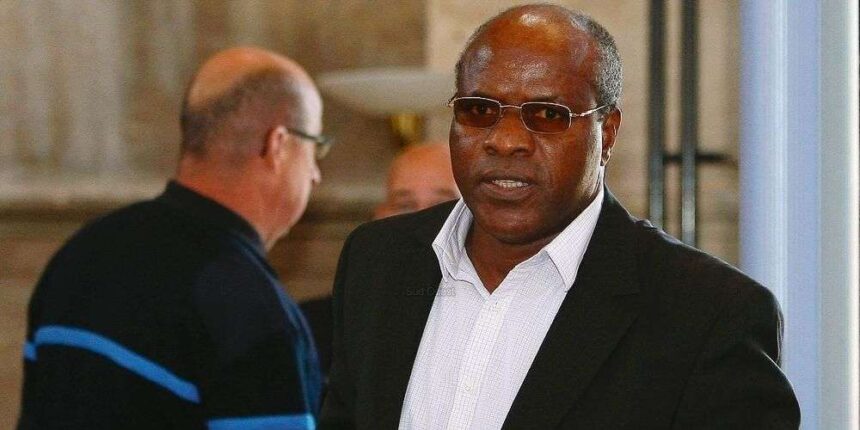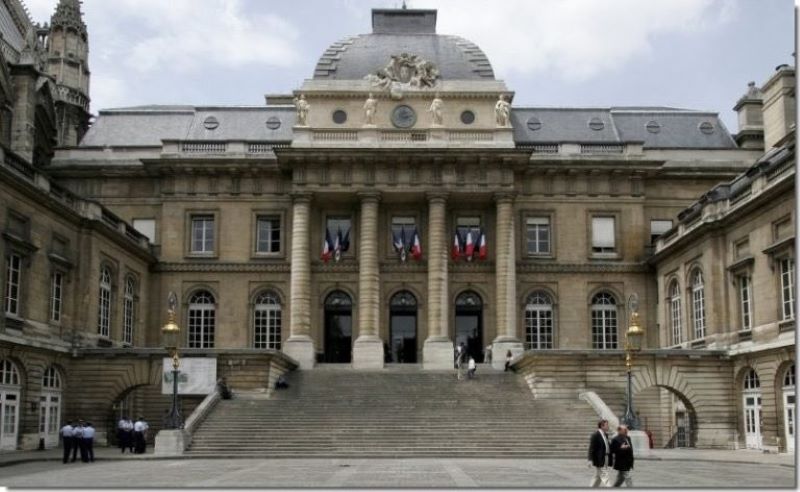
The appeal trial of Sosthène Munyemana, one of the individuals accused of participating in the 1994 Genocide against the Tutsi, has resumed in the Court of appeal in Paris, France. The proceedings continued on this Tuesday, September 23, 2025, in the French capital.
Background of Sosthene Munyemana
In a brief recounting of his background, Munyemana was born in 1955 in Musambira, which is now part of Kamonyi District. He studied medicine at the National University of Rwanda and later specialized in gynecology in Bordeaux, France.
Munyemana formerly worked as a gynecologist and was also a lecturer at the National University of Rwanda. In 2023, he was sentenced to 24 years in prison for genocide, crimes against humanity, and complicity in genocide. He later filed an appeal against the conviction.
Structure of the appeal trial
During the early stages of the appeal, the court is hearing from “context witnesses” individuals who provide historical and societal background information on life and governance in Rwanda before and after the genocide.
Among these witnesses are:
- Colonel Gil Chevalier from the French Embassy in Kigali,
- French doctors who worked with the accused,
- Munyemana’s wife and son,
- And Munyemana himself.
Expert witnesses also include Hélène Dumas, a French researcher who has spent 20 years studying the history of the Genocide. She testified that the genocide was premeditated and systematically executed, emphasizing that the ethnic divisions between Hutu and Tutsi were largely a result of colonialism.
Another witness, Judge Damien Vandermeersch from Belgium, shared insights from his research in Rwanda and trials of genocide suspects in Belgium. He criticized Belgium’s role in fueling divisions and condemned how UNAMIR peacekeepers abandoned civilians in 1994.
Vandermeersch stated that the killings in Butare were orchestrated and later spread across the region, even pressuring moderate leaders to comply with extremist demands.
Charges and Progress
Munyemana is appealing convictions for genocide and crimes against humanity, which he was found guilty of by the Criminal Court on December 20, 2023. Compared to the first trial, the number of witnesses in the appeal has increased-rising from 67 to 70. The appeal trial began on September 16, 2025, and is expected to conclude on October 24, 2025.