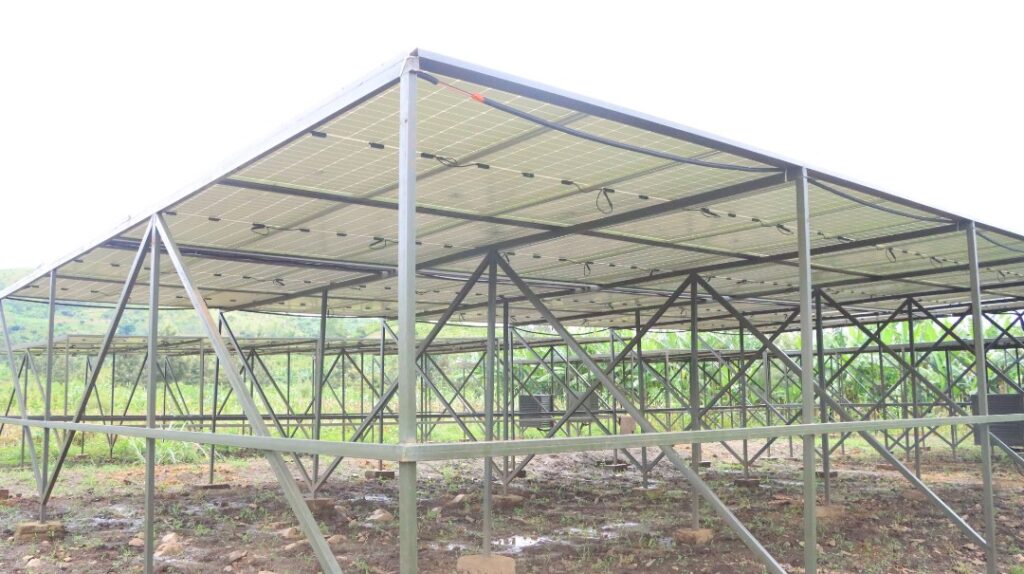
Farmers in the Musaza irrigated zone, located in Kirehe District, testify that they are now using the same sunlight that used to destroy their crops to grow them instead, thanks to a modern solar-powered irrigation system. This transformation has significantly improved their agricultural output and livelihoods.
In the past, excessive heat and long dry spells caused major losses, as crops would dry out before reaching harvest. Today, through solar energy, farmers are able to irrigate their fields reliably, even during the dry season. The solar panels generate electricity, which powers water pumps that draw water from the Akagera River and push it through a system of pipes to farmers’ fields.
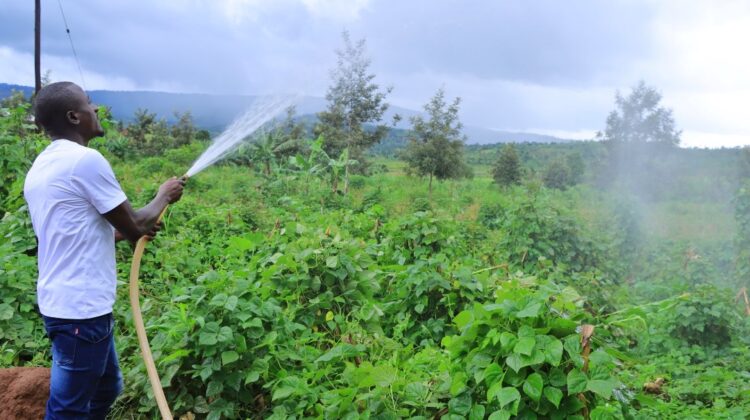
Each farmer has access to a pipe that connects to a tap, allowing them to manually water their crops as needed. This irrigation method is known as “Pipe Flow,” and it’s both efficient and easy to use.
This project began operating in early February 2025. It was implemented at a cost of over 1 billion Rwandan francs (approx. $800,000 USD) and currently serves over 280 farmers across 80 hectares of land.
From drought to opportunity
Before the system was installed, farmers often struggled with poor yields due to prolonged droughts and unpredictable weather patterns. Now, they’re reporting consistent harvests.
Farmer Gershom Nsabimana shared his experience:
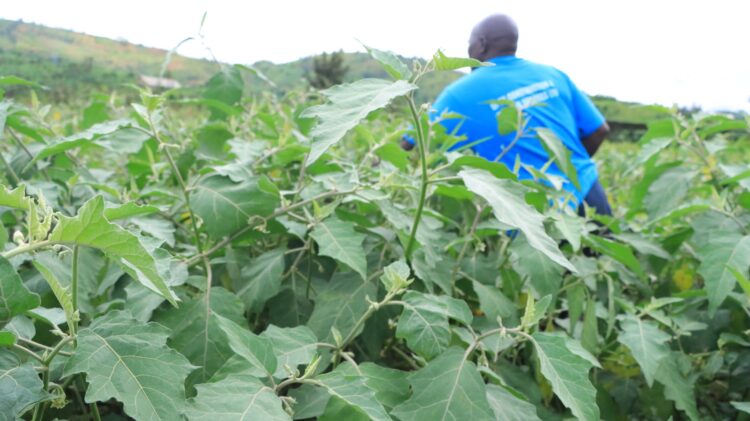
“We used to suffer from extreme heat here, and nothing would grow. But now, you can see how healthy our crops are. We can plant and harvest without relying on rain. I hope even our neighbors will get access to this irrigation so that they can benefit from it too.”
Monique Mukakarisa, another farmer, added:
“Now we can farm during all seasons. Whether it’s beans or maize, we’re getting good yields without any problems. It has changed our life.”
Modeste Nzirabatinya, Vice Mayor of Kirehe District in charge of Economic Development, said that the irrigation system has had a major positive impact on farmers’ lives. People now have food security and are earning more income from agriculture. He also emphasized the government’s plans to expand the project to more areas.
“In this district, we’ve made big strides in irrigation, especially in Musaza and Gicuma,” he said. “Previously, some families lacked food and had to migrate. We had more than 100 displaced families. But once they got irrigation, they came back. Now they’re confident they can grow crops and make a living.”
He continued:
“We’re planning to expand the irrigated land by another 40 hectares in that area. This will allow even more people to thrive and improve their standard of living.”
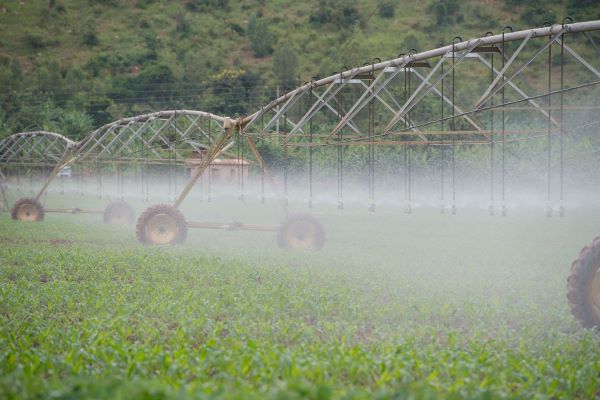
Musaza is not the only area seeing change. Across Kirehe District, several large-scale irrigation projects have been launched: In Nasho Sector, a 1,173-hectare irrigated zone serves more than2,000 farmers, In Mpanga Sector, over 659 hectares are under irrigation, In Mahama Sector, two large zones,Mahama I and Mahama II are currently under development. They are expected to be completed by the end of 2025, covering a combined area of 3,000 hectares.
These initiatives are part of Rwanda’s broader efforts to make agriculture more resilient to climate change, reduce poverty, and ensure food security.