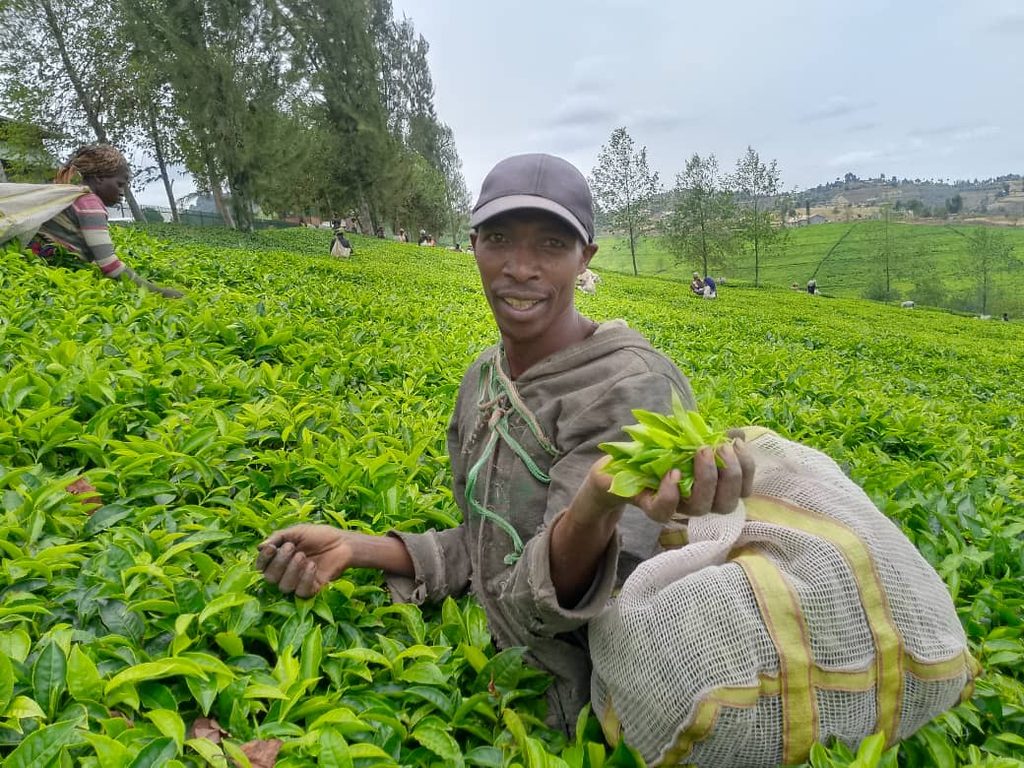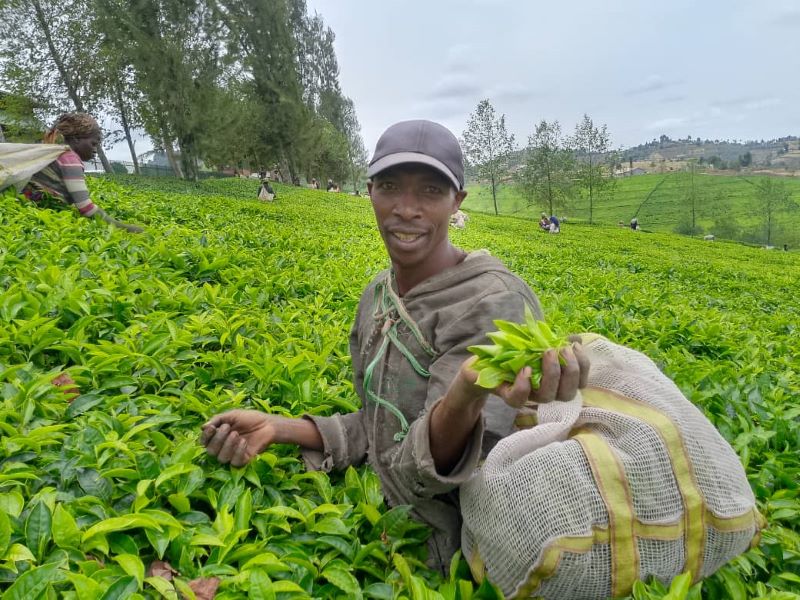
Residents of Ruheru and Nyabimata sectors in Nyaruguru District say tea farming has transformed their livelihoods, with some who once travelled to Burundi in search of income now able to work and earn a living in their own communities.
Nyaruguru is among Rwanda’s districts that have historically faced challenges related to soil conditions. In some areas, acidic soils made it difficult for certain crops to produce sufficient yields, limiting agricultural opportunities for many households.
Residents say these challenges contributed to difficult living conditions, prompting some families to seek better economic opportunities in neighbouring countries, particularly Burundi. In 2003, during a visit to Nyaruguru by President Paul Kagame, residents say they received support to access land for agriculture, as well as lime and fertilizers needed to improve soil fertility.
During the same period, more than 400 hectares of land were allocated for tea cultivation. Residents were also given a 15% shareholding, enabling them to participate in the development of the tea factory and benefit from the sector. Residents say tea farming has continued to expand since then, increasing production and household incomes and contributing to improvements in living conditions.
Theresie Mukagasarabwe, a resident of Nyabimata Sector, says tea farming has enabled her to pay for her children’s education through university. She says she now also owns a commercial building with two shops in Nyabimata trading center. Income from the shops, combined with earnings from tea farming has enabled her to continue investing in her household.
“Tea farming has helped me pay for my children’s education up to university. I earn at least Rwf 200,000 per month from tea farming.”

Marie Rose Masengesho, the president of the Nshili Kivu Tea Farmers’ Cooperative (KOTEC), says tea farming had declined significantly in the aftermath of the Genocide against the Tutsi but was later revived.
“In 2003, the President of the Republic gave us 441 hectares, and that was when we organised ourselves as members of a cooperative. Each person working in tea started contributing Rwf2,000. At that time, there was no nearby factory to process the tea, so farmers had to transport it over a long distance to Mata Tea Factory. This changed when Nshili Kivu Tea Factory was established in the area and began operations in 2008.”

The establishment of a tea factory closer to farmers made it possible to process tea nearer to where it was grown. Residents say this has helped strengthen the tea sector while creating more employment and income-generating opportunities.
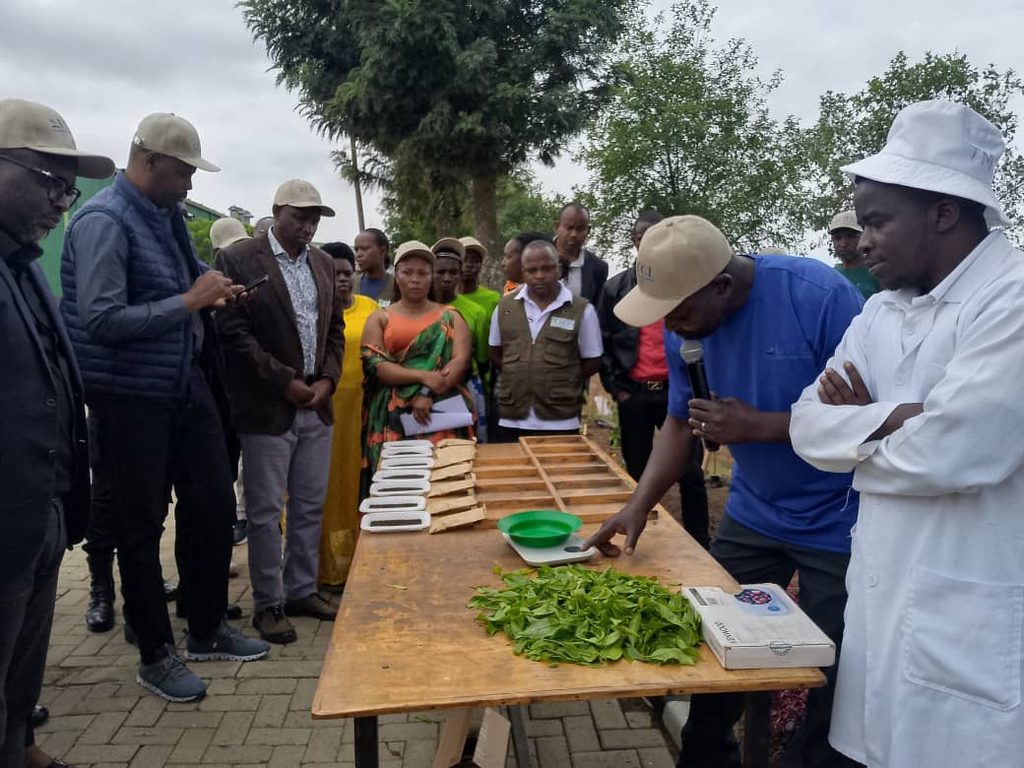
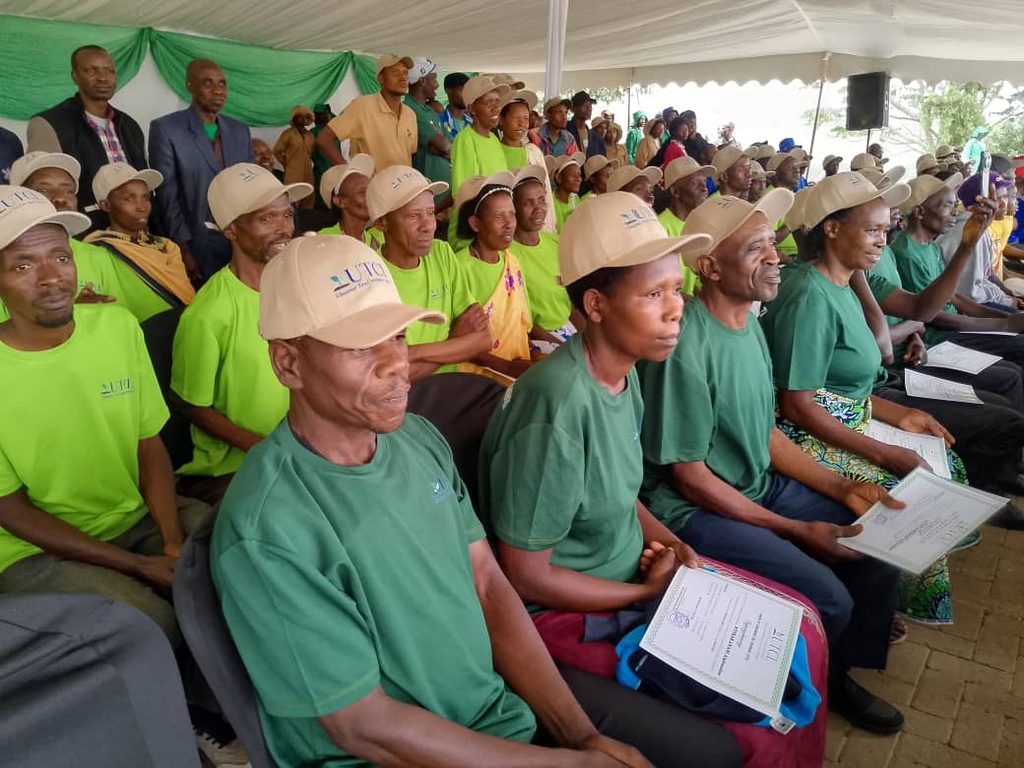
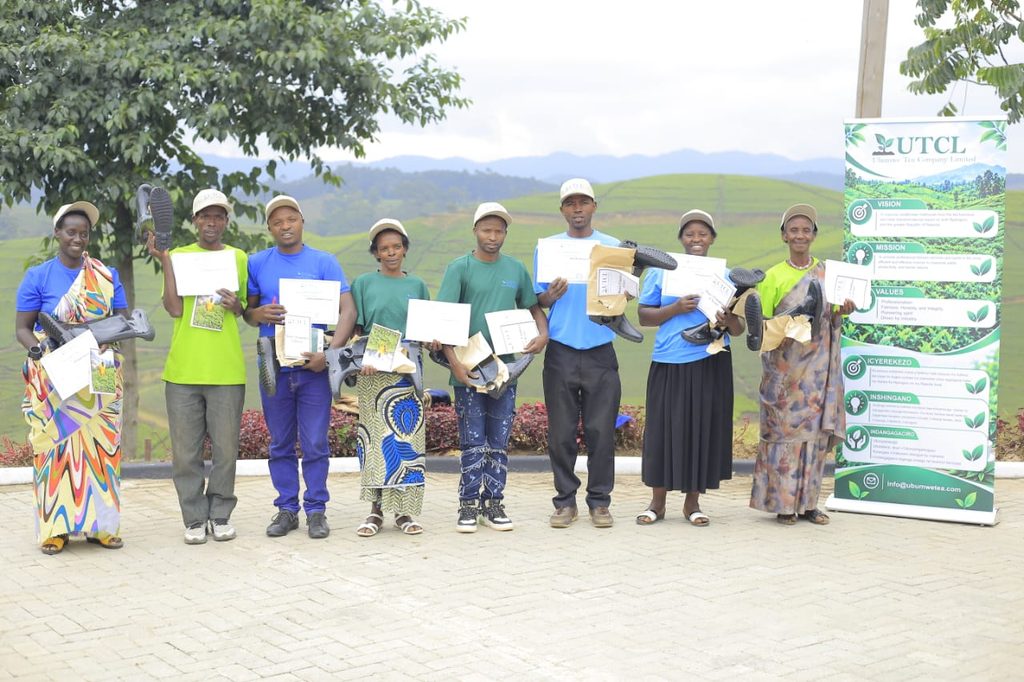
On September 17, 2026, Ubumwe Tea Company Limited (UTCL), in partnership with Nshili Kivu Tea Factory, awarded certificates to 123 people who completed a tea farming training programme. The graduates were trained in professional tea-growing practices, crop management, and ways of increasing both the quantity and quality of tea production.
Janvier Gashema, Nyaruguru district Vice Mayor in charge of Economic Development, says the improvements in residents’ livelihoods are linked to development initiatives that place citizens at the center of development.
“Those who used to migrate elsewhere in search of livelihoods are now creating jobs for others. This has helped change people’s mindset and given residents greater confidence in their ability to live and prosper in their own communities.”

Marc Hakizayezu, Managing Director of Nshili Kivu Tea Factory, says the factory currently receives about 50% of the tea produced in the area. He called on farmers to continue expanding the land under tea cultivation while maintaining high standards of quality so that the factory can access sufficient quantities of quality tea that meet required standards.
Residents also say continued investment in farmers’ knowledge and skills, such as the training provided to the 123 certificate recipients, could help Nyaruguru increase and improve tea production. They believe higher production and better-quality tea could, in turn, increase income for farming households and further strengthen the local economy.