


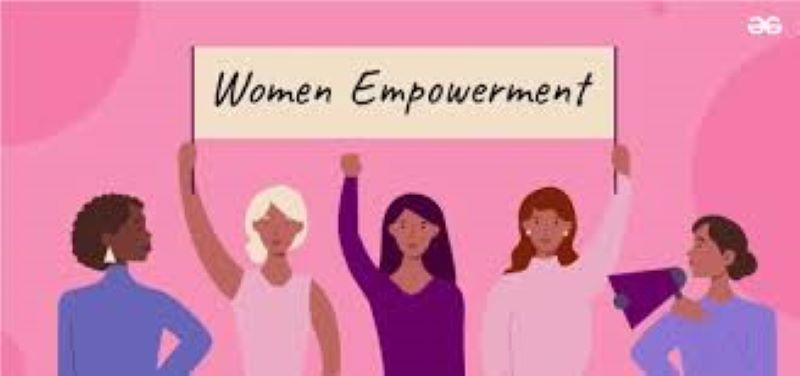
Over the past two decades, Rwanda has made remarkable progress in promoting women empowerment and gender equality. Across the country, women are increasingly taking leadership roles in government, business, education, agriculture, and community development. Their growing participation in decision-making and economic activities is not only improving family livelihoods but also contributing significantly to national development.
In many rural and urban communities, women who were once excluded from financial opportunities are now benefiting from savings groups, vocational training, and entrepreneurship programs. Through these initiatives, many women have started small businesses such as tailoring shops, restaurants, farming cooperatives, and retail enterprises. These activities have enabled families to increase household income, improve nutrition, and pay school fees for their children.
Education has also played a major role in advancing women empowerment in Rwanda. More girls are now attending school and completing higher levels of education compared to previous decades. This has helped young women gain confidence, knowledge, and professional skills that allow them to compete equally in the labor market. Educated women are increasingly becoming teachers, engineers, doctors, journalists, and leaders in different sectors.
Rwanda has also become internationally recognized for promoting women in leadership. Women hold significant positions in Parliament, local government institutions, and various public and private organizations. Their participation in leadership has helped strengthen inclusive governance and encouraged policies that address issues affecting families, children, and communities.
In rural areas, women cooperatives are transforming livelihoods through agriculture and handicraft production. Many women farmers are now accessing modern farming techniques, irrigation systems, and markets for their produce. Others are involved in producing traditional crafts, baskets, and clothing that generate income and preserve Rwanda’s cultural heritage.
Despite the progress achieved, challenges still remain. Some women continue to face barriers such as limited access to capital, unemployment, gender-based violence, and unequal opportunities in certain sectors. However, ongoing government programs and support from development partners continue to promote equal rights, financial inclusion, and protection of women’s rights.
Experts say empowering women is essential for sustainable development because when women are economically and socially empowered, entire communities benefit. Families become more stable, children receive better education and healthcare, and poverty levels decline.
As Rwanda continues its journey toward inclusive development, women empowerment remains a key pillar in building a stronger and more prosperous nation. Through education, leadership, entrepreneurship, and community participation, Rwandan women are proving that they are powerful agents of change and development.