New findings from the Integrated Household Living Conditions Survey (EICV7) 2023–2024 show that health services in Rwanda are increasingly reaching communities, contributing to higher health insurance coverage, reduced severe illnesses, and fewer deaths caused by lack of access to medical care.
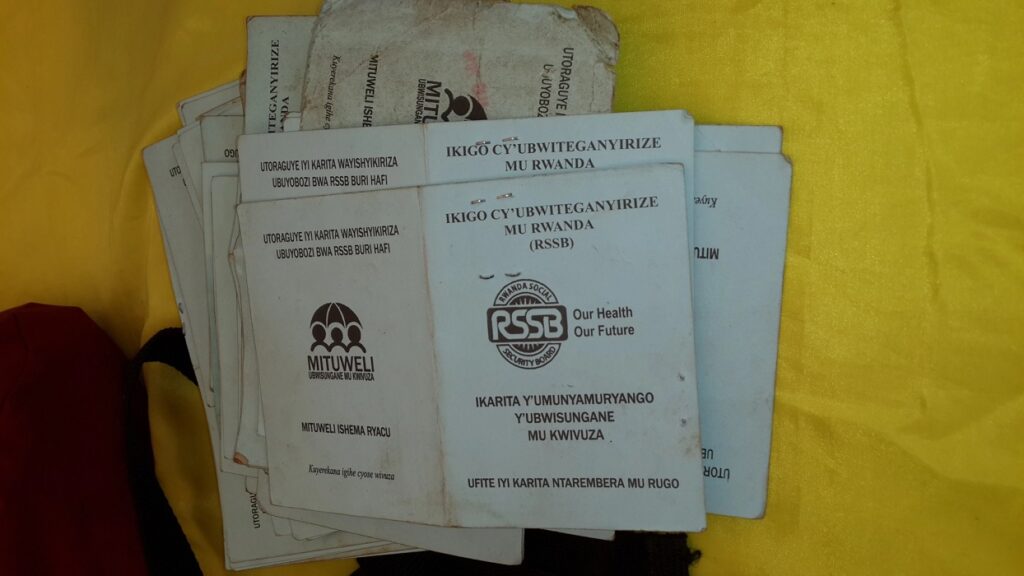
The report indicates that 85.3% of Rwandans now have health insurance, compared to 74% in 2017, representing an increase of more than 11 percentage points over the past seven years.
This expansion has enabled more citizens to access healthcare services on time, helping reduce the risks associated with untreated illnesses that can lead to severe complications or death.
Citizens welcome improved health infrastructure
Residents say that the expansion of health facilities has significantly improved access to healthcare. Claudine Mukandayisenga, a mother living in Munini Sector, says the construction of Munini Hospital has greatly helped pregnant women who previously had to travel long distances to receive medical care.
“Before this hospital was built, we had to travel very long distances to seek treatment, which sometimes put us at risk, especially pregnant women. But now we give birth nearby and receive good care. I personally delivered my last child at Munini Hospital, and the medical staff took very good care of me,” she said.
Beyond health insurance coverage, the report also shows that healthcare services are now geographically closer to citizens. In 2024, the average time a person spends walking to the nearest health facility is 31.7 minutes, compared to 47 minutes in 2017.
This means many people now spend less time reaching medical services, particularly in rural areas where travel time to health facilities has decreased by between 13 and 20 minutes.
Silas Ngabonziza, a resident of Huye District, says access to healthcare has improved significantly. “In the past we had to walk long distances to reach a health facility, and sometimes we arrived too late to receive treatment. Now health centers and community health workers help us access services on time,” he said.
Health insurance helping reduce disease burden
The report shows that 27% of Rwandans experienced a health problem in the four weeks preceding the survey. Among them, 71% sought treatment at a health facility, compared to 57% in the previous survey. This indicates that more people are seeking medical care, largely due to the support provided by health insurance schemes that make healthcare more affordable.
Maternal deaths continue to decline
Although the EICV7 report mainly focuses on access to healthcare services and insurance coverage, health experts say programs supporting maternal and child health have contributed significantly to the decline in maternal mortality.
Initiatives such as the expansion of health facilities, the work of community health workers, and the Mutuelle de Santé community-based health insurance scheme have helped more women deliver in health facilities and receive timely care.
Need for more specialized health services
The EICV7 survey also shows that about 2% of the population lives with disabilities, particularly among people aged 65 and above. The most common types of disabilities include mobility impairments (0.7%), cognitive or memory impairments (0.6%), visual impairments (0.6%). These findings highlight the need to continue expanding specialized healthcare services for people with disabilities.
Government urged to expand health services further
While significant progress has been made in improving healthcare access, the report suggests that more efforts are needed.
The Ministry of Health is encouraged to continue expanding hospitals and health centers in rural areas, strengthen awareness campaigns on health insurance enrollment, improve specialized healthcare services for people with disabilities, and further enhance maternal and child health services.
Minister highlights expansion of services under Mutuelle de Santé
Dr. Sabin Nsanzimana, the Minister of Health, said Rwanda has continued to expand healthcare services available to people enrolled in the Mutuelle de Santé scheme, including medicines and modern medical equipment.
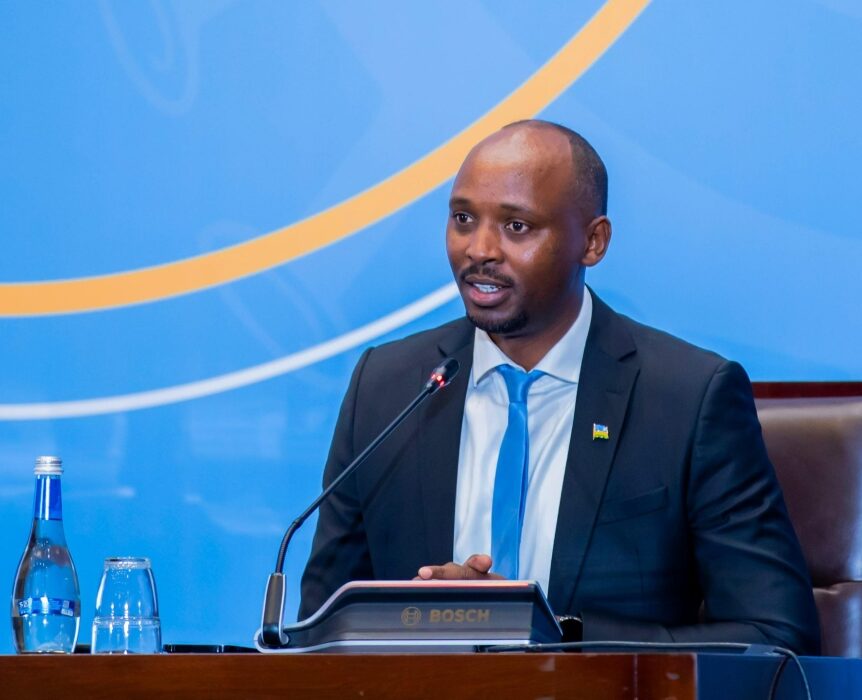
“In recent years, we have invested significant effort in expanding the services provided to Mutuelle de Santé beneficiaries, including increasing the availability of medicines in health facilities and strengthening the capacity of hospitals and health centers to ensure citizens receive quality care on time,” he said.
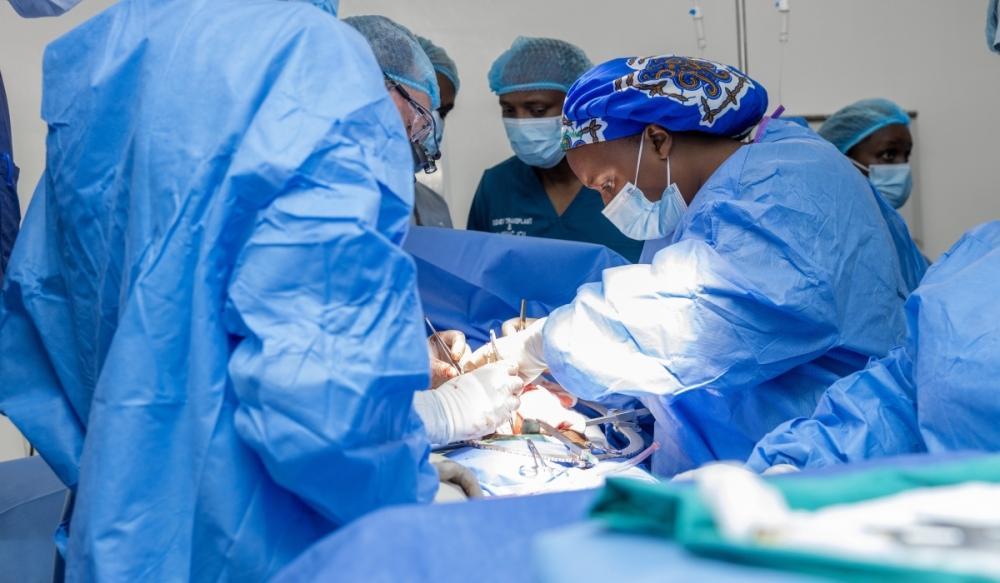
He added that Rwanda continues to invest in modern medical technologies, including diagnostic machines used to detect different diseases, aimed at improving the quality of healthcare services delivered to the population.
The EICV7 survey, conducted between October 2023 and October 2024, aims to help institutions make evidence-based decisions that improve the living standards of Rwandans. The findings show that Rwanda’s health policies are producing tangible results, although continued efforts are needed to ensure quality healthcare services reach every citizen.