


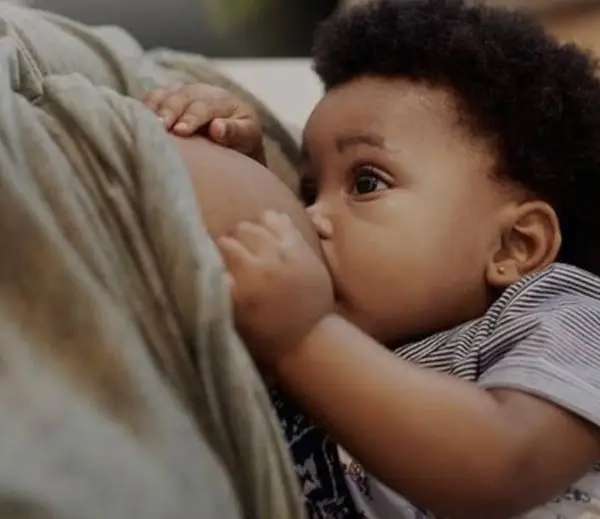
As Rwanda joins the global community in celebrating World Breastfeeding Week, health authorities’ emphasis on the importance of exclusive breastfeeding for the first six months of a child’s life. The Ministry of Health and related institutions are encouraging parents to breastfeed their infants without introducing any other food or liquids, not even water during the period of 6 months. According to health experts, this practice significantly contributes to a child’s well-being by building strong immunity, preventing illnesses, and reducing the risk of stunting.
Why exclusive breastfeeding matters
Medical and nutrition experts confirm that breastfeeding immediately after birth and continuing exclusively for the first six months offers irreplaceable benefits for an infant’s physical and cognitive development. The first milk-known as colostrum is rich in essential nutrients and antibodies that protect the baby from infections.
According to Jean Yves Ntimugura, a nutrition advisor at the National Child Development Agency (NCDA) and a specialist in preventing malnutrition and stunting in young children:
“Proper breastfeeding starts within the first hour after birth. The yellowish milk the baby receives at that time is extremely nutritious and helps build a strong immune system. For the first six months, the baby should receive only breast milk, no water, no food, and no otherliquids as breast milk alone contains all the nutrients needed for healthy growth for the baby.”
He adds that mothers should allow the baby to fully breastfeed from one breast before offering the other, ensuring the child gets both the foremilk (for hydration) and the hindmilk (rich in fats and calories).
The role of hygiene and care in breastfeeding
Ntimugura emphasizes that cleanliness is vital in breastfeeding:
“Mothers should wash their hands with clean water and soap before feeding the baby. If they express breast milk for storage, the containers used, like cups or bottles must be thoroughly cleaned and sanitized to avoid introducing bacteria that could harm the baby. Good hygiene protects the baby from infections and supports their growth.”
He also highlights the emotional and psychological aspect of breastfeeding:
“Breastfeeding should be done in a calm and relaxed environment. A mother should be emotionally present and avoid stress or distractions, as this strengthens the bond between mother and child, which is essential for the baby’s emotional development.”
He recommends breastfeeding the baby at least eight times a day. For babies who sleep for extended periods, he advises gently waking them to feed, as frequent breastfeeding supports optimal growth.

Common misconceptions among parents
Some parents still believe that giving water to an infant under six months is harmless—especially when they assume the baby is thirsty. However, this practice is discouraged by health experts because it may introduce contaminants and dilute the nutrients in the baby’s stomach.
A mother with a three-months-old baby confessed:
“Sometimes I think my baby is thirsty, so I give him some water and seems to like it, so I thought it is okay. I didn’t know it isn’t healthy. From now on, I will stick to exclusive breastfeeding.”
Another mother with a two-month-old child shared her experience:
“My baby sleeps a lot and sometimes goes a whole day without feeding. I used to hesitate to wake up her, thinking I’d disturb her sleep. But I now realize that not feeding regularly deprives the baby of the nutrients they need to grow well.”
Health benefits for mothers
Exclusive breastfeeding isn’t only beneficial for the baby; it also promotes maternal health. Studies show that breastfeeding reduces the mother’s risk of developing: Cervical and breast cancer, diabetes, High blood pressure, Postpartum depression.
Breastfeeding also helps delay the return of menstruation, allowing the mother’s body more time to recover between pregnancies.
Rwanda’s Commitment to reducing child malnutrition and stunting
According to the 2019-2020 Rwanda Demographic and Health Survey (RDHS), the rate of exclusive breastfeeding for infants under six months declined from 87.3% in 2015 to 80.9% in 2020. This downward trend is a concern, as it may hinder efforts to fight child malnutrition and stunting.
In response, Rwanda launched a 100-day national campaign promoting exclusive breastfeeding as a core strategy to combat malnutrition. This initiative is part of the government’s broader goal under the National Strategy for Transformation (NST2), which aims to reduce child stunting from 33% to 15% by the year 2029.
Exclusive breastfeeding for the first six months of life remains one of the most effective, affordable, and natural ways to support healthy development in children and protect them from life-threatening conditions. It not only nourishes the baby physically and emotionally but also contributes to the overall well-being of mothers and the community.