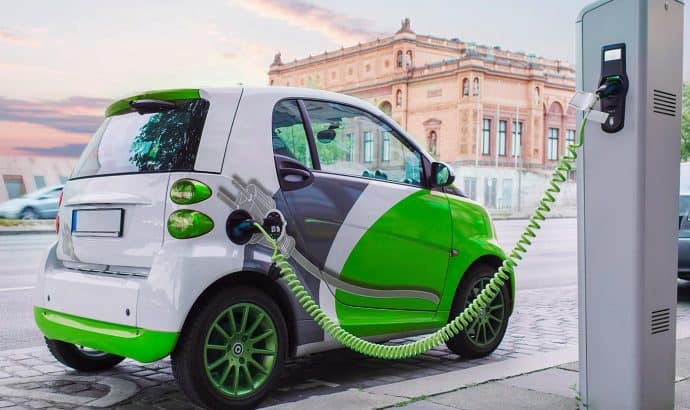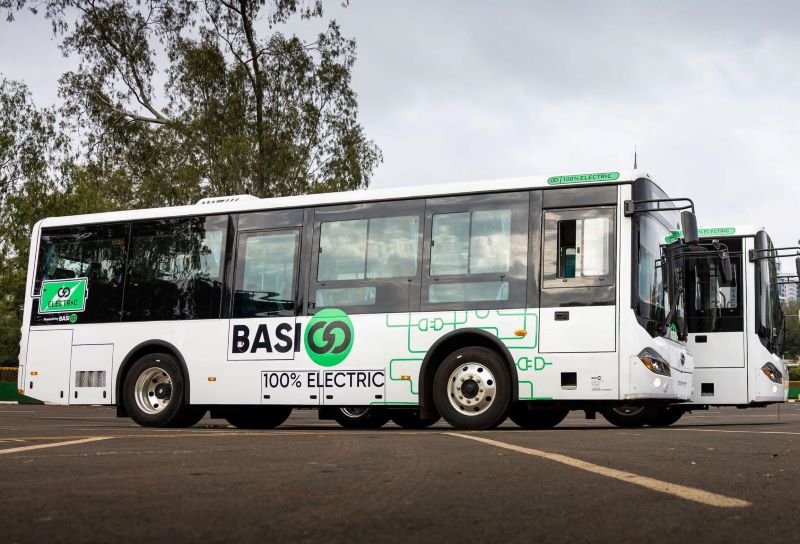
The Government of Rwanda is currently in discussions with major Chinese companies with the aim of establishing electric vehicle (EV) assembly plants in the country. This move is part of broader efforts to promote environmentally friendly transportation.
This development was announced by Rwanda’s Ambassador to China, Amb. James Kimonyo, while highlighting China’s role in advancing various commercial and infrastructure projects in Rwanda, particularly under the Belt and Road Initiative.
Ambassador Kimonyo stated that Rwanda is one of the leading African countries in adopting electric mobility, including electric motorcycles and cars, and that many Chinese companies are showing strong interest in opening factories in Rwanda.
“We are in discussions with Chinese companies that are willing to start electric vehicle assembly plants in Rwanda, with the goal of reducing greenhouse gas emissions,” Amb. James Kimonyo.
In April 2025, the Government of Rwanda began a partnership with Chery International, a well-known manufacturer of electric vehicles. This collaboration also includes other sectors such as agriculture, clean energy, and mining.
Chery International is the first Chinese company to have sold over one million cars domestically. Its interest in Rwanda reflects a broader trend of Chinese companies expanding into the African market through Rwanda as a strategic entry point.
Rwanda’s Growing Electric Vehicle Sector
Several companies have already started investing in Rwanda’s electric mobility sector, including electric cars and motorcycles. These companies include: VW Mobility Solutions, Ampersand, Safi/Gura Ride, Kabisa, Rwanda Electric Motorcycle Ltd.
The Rwandan government has committed to investing $900 million in support of a transition to renewable energy-based transportation. This investment will go toward purchasing EVs, building charging stations, and other necessary infrastructure.
Government Incentives for Investors
To attract more investors, the Rwandan government has proposed several incentives: Reduced taxes on electric vehicle components, Free access to government land for building charging stations, Low-cost electricity for EV charging stations, Special license plates for EVs to simplify registration and parking, Government fleet leasing priority for local electric vehicle providers.
China: A Global Leader in the EV Industry
On a global scale, China remains a dominant force in the production and use of electric vehicles. In 2024: 47.6% of cars sold in China were electric, 11 million new EVs were registered, EVs represented 8.9% of the total vehicles in China.
Long-Term Benefits for Rwanda
Although the transition to electric mobility requires significant investment, the Rwandan government expects the long-term benefits to outweigh the costs. By the end of 2025, it anticipates saving up to 20 billion Rwandan Francs (approx. $16 million) through reduced imports of petrol and cooking fuel.
The electric vehicle initiative is seen as a key pillar of Rwanda’s long-term development strategy. It aims to protect the environment, reduce foreign exchange outflows, and stimulate new local industries.