The Government of Rwanda has recently adopted the Alternative Dispute Resolution (ADR) and Criminal Justice (CJ) policies to promote the resolution of conflicts outside formal courts, reduce the backlog of court cases, and empower citizens to take an active part in resolving disputes within their communities.
This approach utilizes traditional methods such as abunzi (community mediators), mediation, arbitration, and other non-litigation mechanisms where citizens themselves play a central role in finding sustainable solutions to their disputes.
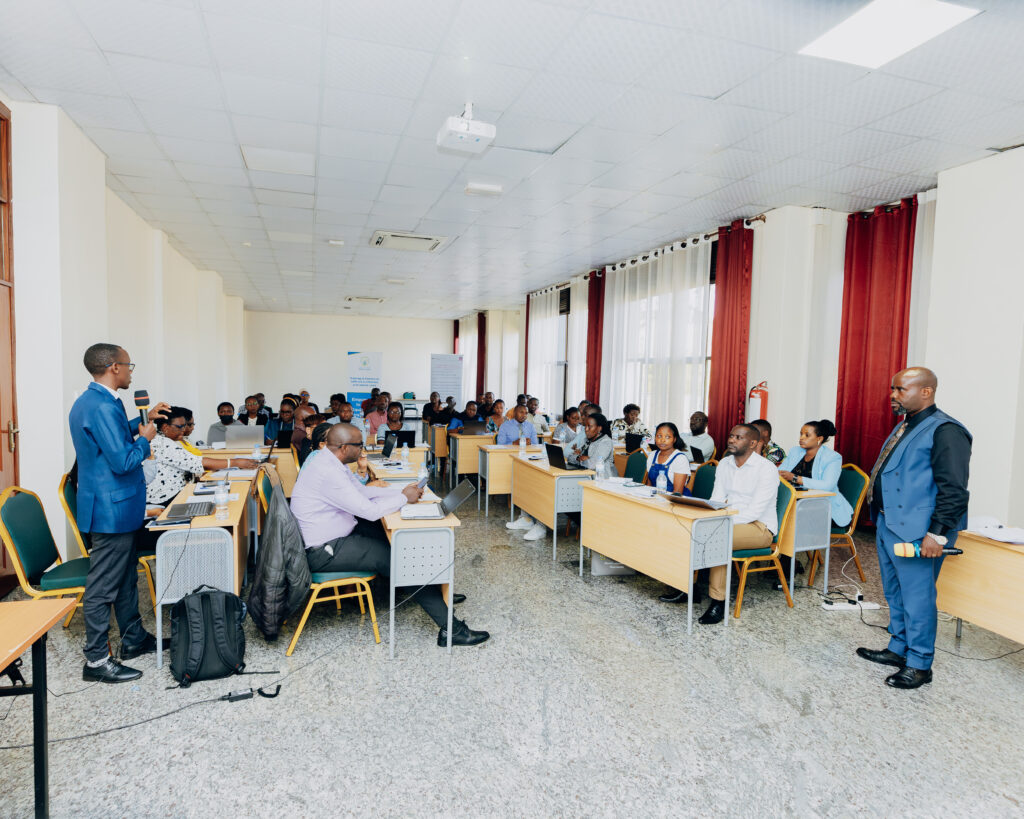
Ruboya Antoine, Legal Awareness and Monitoring Specialist at the Ministry of Justice, explained that the training aimed to enhance the capacity of various institutions involved in helping people resolve disputes without resorting to the courts.
“We chose to train a few people first so they can go on to train others. This is because the Ministry of Justice and its partners cannot reach all sectors at once. So, some institutions were selected to be trained first, with the expectation that they would train others, including those in local government structures.” He stated
Ruboya added that resolving conflicts outside the court system is rooted in Rwandan culture and history, where disputes were traditionally handled within families or communities, and reconciliation was prioritized.
“Historically, disputes were resolved within the family. The person who caused harm would offer an apology or compensation, and both parties would participate in finding a solution that restored family unity. It was based on mutual understanding.” He added

Ruboya Antoine, Legal Awareness and Monitoring Specialist at the Ministry of Justice
Viateur Bangayandusha, the Trainer & Academic Dean at Institute of Legal Practice and Development (ILPD), urged the trainees to become catalysts for change and to continue improving the quality of justice services by promoting fast and reconciliatory justice.
“Go and improve the services you provide. Help the public resolve disputes, this will help reducing overcrowding in prisons and the number of cases brought to court.” He said:
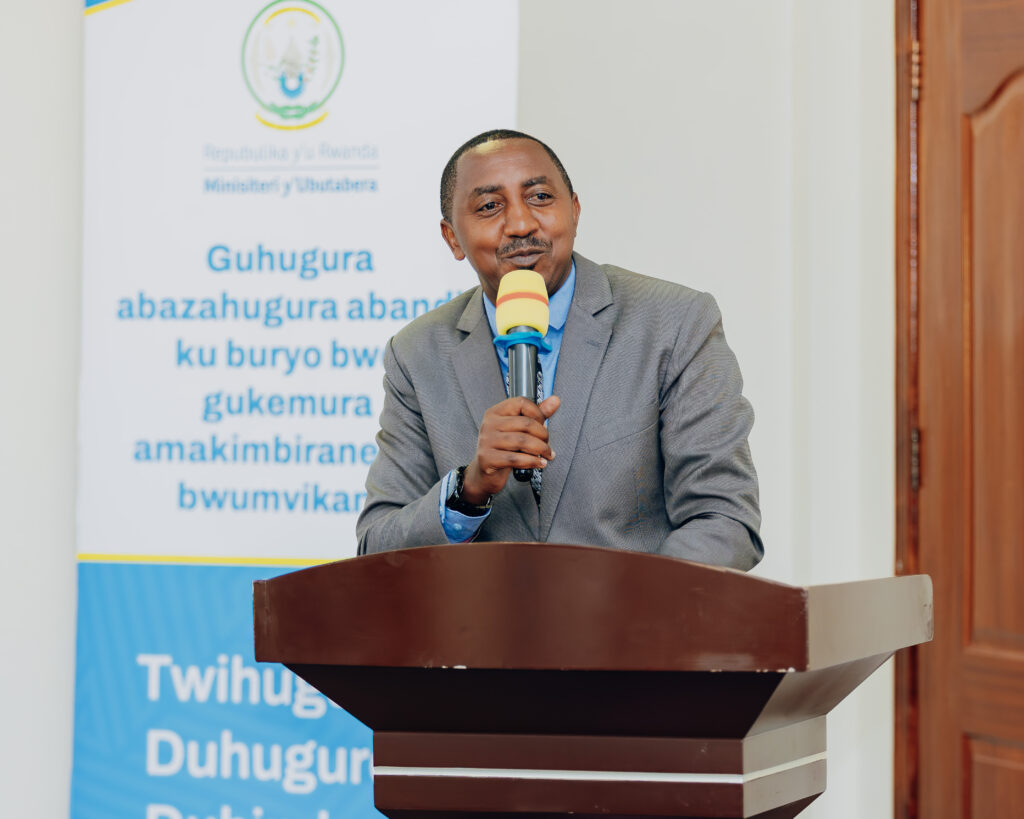
Viateur Bangayandusha, the Trainer & Academic Dean at Institute of Legal Practice and Development (ILPD)
Innocent Harerimana, Maj Nyaruguru, is one of the trainees, who thanked the Ministry of Justice and its partners for organizing the sessions. He promised that they would pass on the knowledge to others.
“Truly, they gave us the knowledge we needed. This training has been both an inspiration and a powerful call to action so that the intended goal is achieved.” He spoke
Another trainee, Mukarugira Marie, Maj Assistant in charge of GBV and Abunzi in Nyarugenge district, emphasized the importance of the training, highlighting how it allowed them to deeply understand the non-litigation approach to conflict resolution.
“Now that we have completed this training, we are going to train others and help the community better understand this policy. People will realize that not all problems require court intervention as some can be resolved without the need to go through lengthy legal processes.” She spoke
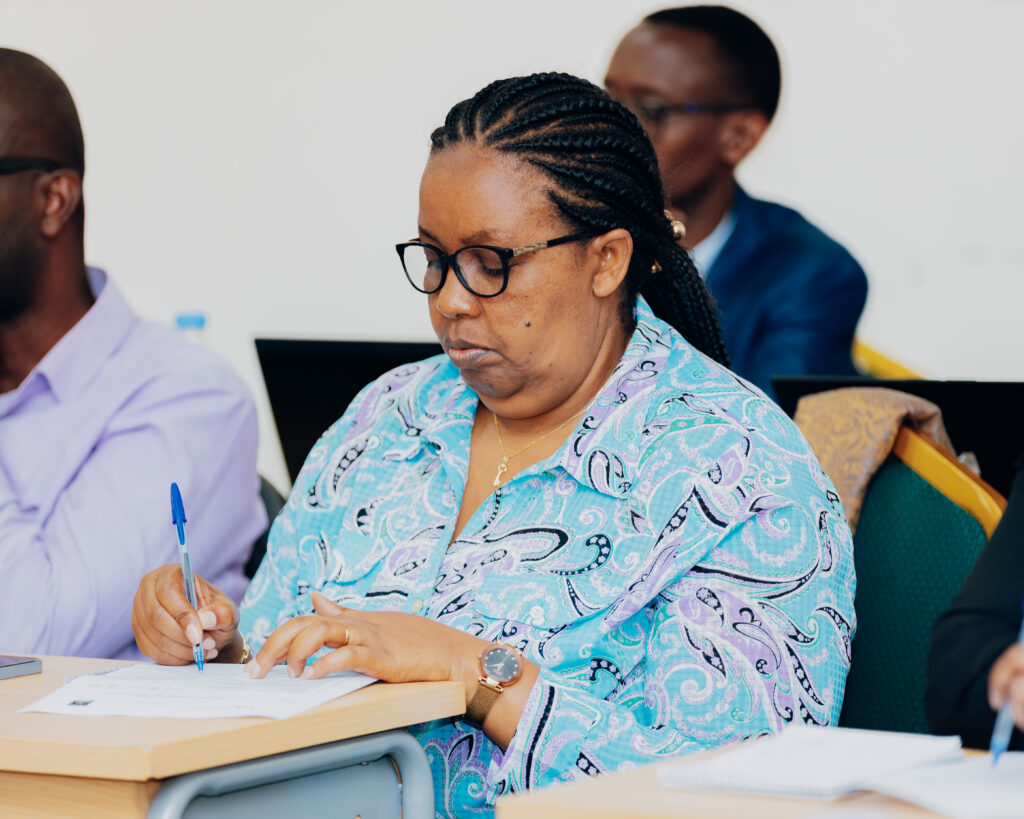
Mukarugira Marie, Maj Assistant in charge of GBV and Abunzi in Nyarugenge district
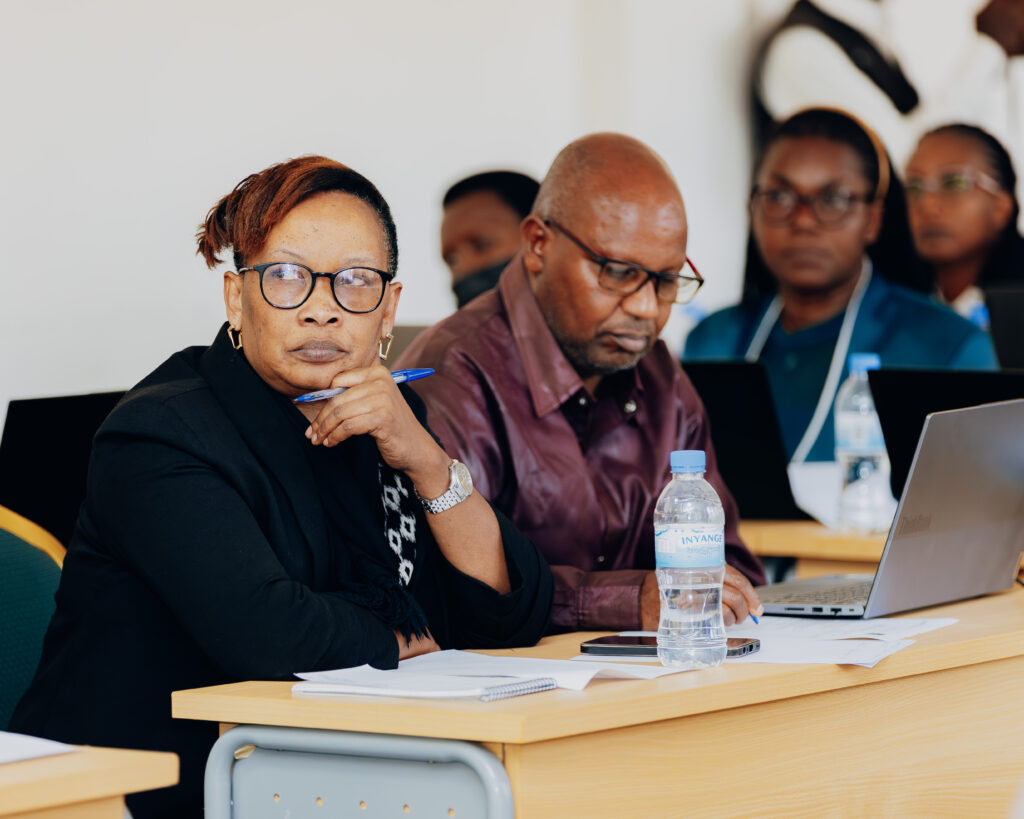
The policy on resolving conflicts without involving the courts was approved by Rwanda’s Cabinet in 2022. Initially, 45 staff members were trained from across all districts of the country, specifically Maj. These included staff working in different services, such as those handling Gender-Based Violence (GBV), court judgment enforcement officers, and Maj coordinators. It was a 5-day training held at ILPD in Nyanza District.
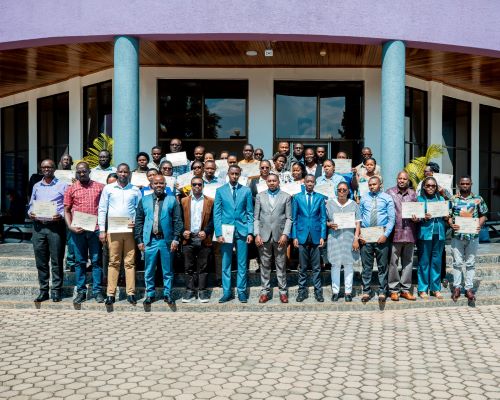
The trainees were given the certificates
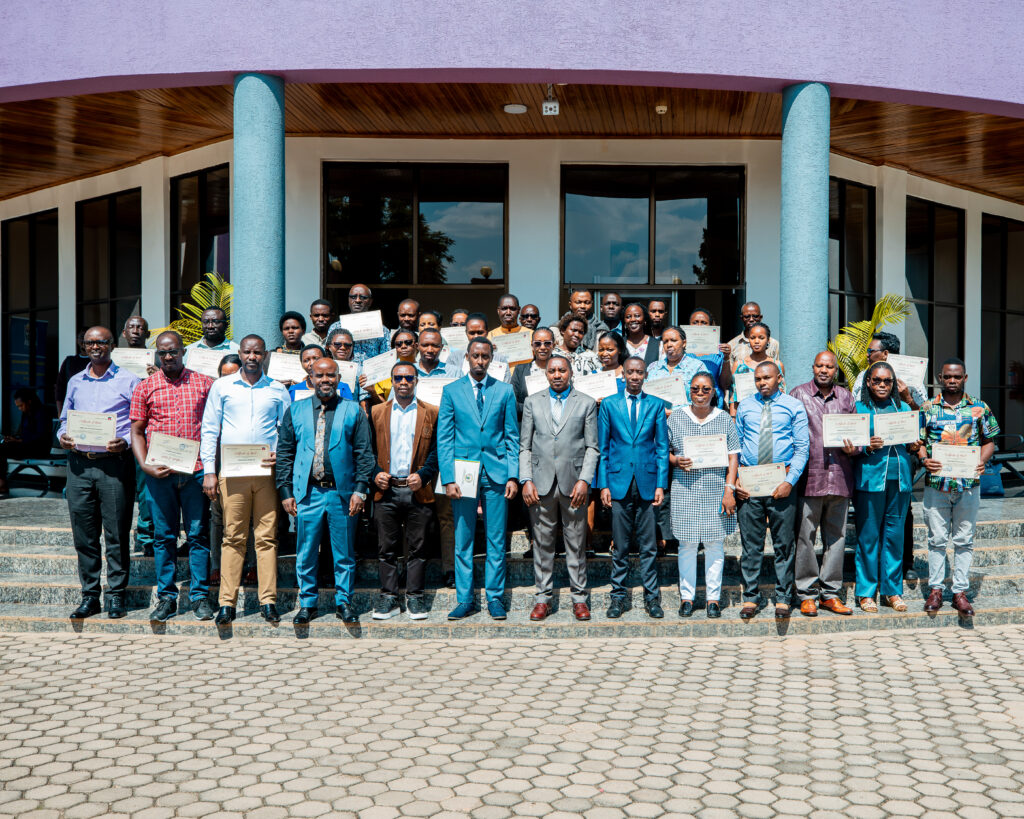
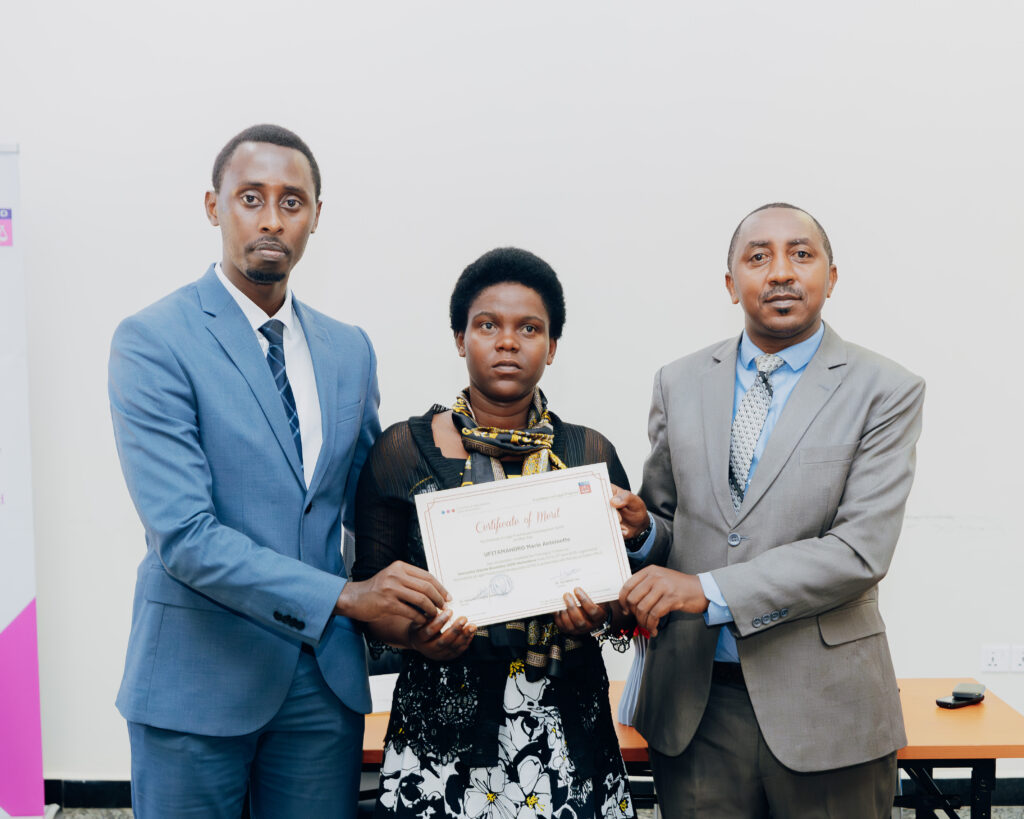
Pictures taken during the Sessions