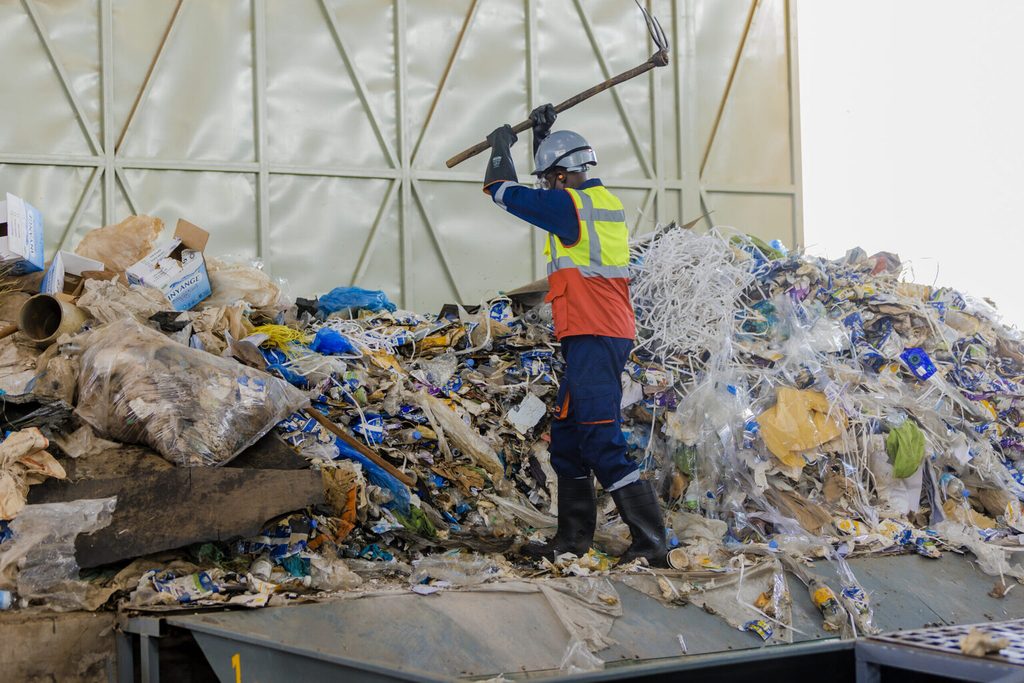
The involvement of private companies in waste management could become a major part of Rwanda’s efforts to address illegal dumping and improve waste collection services if a proposed environmental law is approved by Parliament.
The proposed Law on Environment and Climate Change, presented to the Chamber of Deputies by Environment Minister Bernadette Arakwiye on November 23, seeks to strengthen environmental protection while opening opportunities for private operators to establish and manage waste disposal facilities.
The draft legislation, which is intended to replace the 2018 Environment Law, comes amid concerns over inadequate waste collection, illegal dumping and the management of waste disposal sites.
For residents, however, the proposed changes are not only about improving environmental protection but also about the cost of accessing waste collection services. Uwamahoro Clementine, a resident of Gasabo District, believes greater private-sector involvement could make waste collection more affordable and encourage residents to dispose of their waste properly.
“If this law is adopted and private companies are allowed to participate in waste collection, it could help reduce illegal dumping. Some residents find collection fees too expensive and choose to dump their waste illegally rather than pay for the service. I believe private-sector involvement could help lower costs and make waste collection more affordable for households,” she said.
Her views reflect concerns among residents about the affordability and accessibility of waste collection services, particularly where high charges may discourage some households from using formal collection services. However, whether private operators will actually reduce collection costs will depend on competition, regulation and the conditions under which they are allowed to operate.
Private sector participation
Under the proposed legislation, private operators could be allowed to establish and manage waste disposal facilities, subject to licensing and environmental requirements.
The move could create opportunities for investment and bring additional technical expertise into a sector that requires better infrastructure and more efficient waste management systems. However, private-sector participation also raises concerns about service charges, environmental compliance and government oversight.
Authorities would need to ensure that operators meet established environmental standards while providing services that remain accessible to households. The government would also have an important role in monitoring waste disposal facilities to prevent poorly managed sites from becoming sources of pollution.
Tougher measures against illegal dumping
The proposed law also seeks to strengthen penalties for offences involving hazardous waste. Under the draft provisions, certain illegal activities involving the purchase, sale, importation, storage or disposal of hazardous waste could attract fines ranging from Rwf500,000 to Rwf2 million and imprisonment of between one and three years, depending on the offence.
The proposed restrictions also cover the disposal of hazardous substances in rivers, lakes, wetlands and other environmentally sensitive areas. In addition, the draft introduces an Extended Producer Responsibility approach, which seeks to make producers take greater responsibility for waste generated by their products.
The approach could encourage businesses to consider how packaging and other materials are managed after consumers have used them, rather than leaving the responsibility entirely to waste collection companies and local authorities. The proposed law offers an opportunity to address some of these challenges, but its real value will be measured by the improvements it brings to communities and the environment.