Rwanda is set to distribute 15 million Juncao Hybrid Napier seedlings across the country as part of efforts to address livestock feed shortages, increase milk production and improve the livelihoods of farmers.
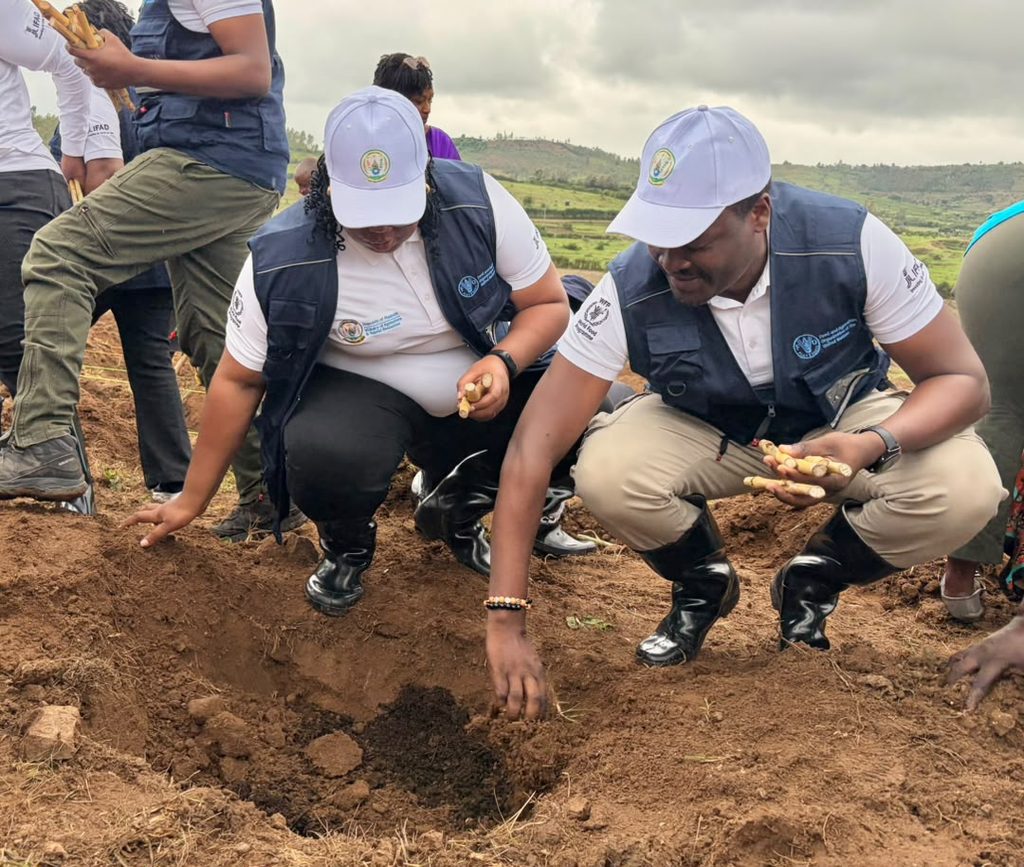
The initiative is already gaining momentum in Gatsibo and Nyagatare districts, where approximately three million seedlings have been planted and distributed to livestock farmers.
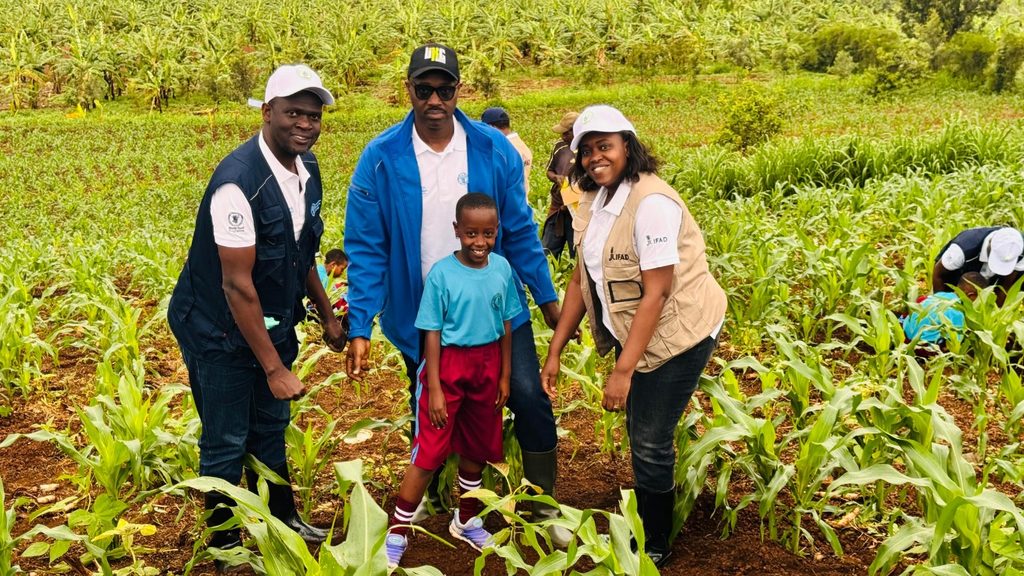
The programme is being implemented by the Ministry of Agriculture and Animal Resources in partnership with the Food and Agriculture Organization of the United Nations (FAO), as Rwanda marks the 2026 World Food Day celebrations on October 30.
The initiative is part of broader efforts to increase agricultural and livestock production, strengthen food security and promote better nutrition.
Juncao Hybrid Napier, a high-yielding fodder grass, is considered an important solution to livestock feed shortages because of its nutritional value and potential to provide farmers with a reliable source of animal feed, particularly during dry seasons.
In Gatsibo District, approximately one million Juncao seedlings have been planted, while another two million have been distributed in Nyagatare District to help farmers improve livestock feeding and increase milk production.
The Minister of State in the Ministry of Agriculture and Animal Resources, Dr. Solange Uwituze, said Juncao grass contains more than 12 per cent protein, making it a valuable source of nutrients for dairy cattle.
She noted that its nutritional composition can help farmers improve milk yields without necessarily relying heavily on additional feed supplements.
“Juncao belongs to the grass family, but it has sufficient nutritional value, with protein content exceeding 12 per cent. This means it does not need to be mixed with many other ingredients to help increase milk production,” she said.
Dr. Uwituze added that the Ministry, working with the Rwanda Agriculture and Animal Resources Development Board (RAB) and development partners, including FAO, plans to distribute approximately 15 million Juncao seedlings across the country.
She explained that the program seeks to make nutritious livestock feed more accessible, particularly during dry periods when shortages of animal feed often lead to declining milk production.
The Minister also urged farmers receiving the seedlings to cultivate them properly so that, after six months, they can harvest the grass and share planting materials with other farmers who have not yet benefited from the program.
“Today, here in Nyagatare, we distributed two million Juncao seedlings. Within six months, the farmers who received them will be expected to give back planting materials free of charge to fellow farmers who have not yet planted the grass. They will provide them with four million cuttings,” she said.
Nyagatare is among the districts that frequently experience prolonged dry conditions, making access to sufficient livestock feed a major concern for farmers.
Livestock keepers in the area say feed shortages can affect animal growth, health and milk production, particularly during periods of prolonged drought.
Rwangabwoba Edgar, a livestock farmer in Nyagatare, said storing enough fodder is essential for protecting cattle against the effects of dry seasons.
“When you have stored enough fodder, it helps you avoid losing your cows. They may become thin, but they will not die. Here in the former Mutara region, we experience a lot of sunshine. However, with the government’s continued encouragement for us to plant fodder, I believe this problem will gradually decrease,” he said.
He added that encouraging farmers to grow and preserve animal feed would help them prepare for dry seasons when pasture and other livestock feeds become scarce.
The Ministry of Agriculture and Animal Resources says the seedlings will be given to farmers who are ready to plant them and participate in the multiplication programme by sharing planting materials with other livestock keepers.
In addition to efforts to improve livestock production, 530 fruit trees were planted at Nyarupfubire School Complex in Rwimiyaga Sector, Nyagatare District.
The trees include avocado, orange, mango and jackfruit varieties. They are expected to improve students’ access to nutritious fruits, promote healthy eating habits and contribute to environmental conservation.
The Deputy Mayor of Nyagatare District in charge of Economic Development, Gonzague Matsiko, said the initiative would benefit not only students but also residents living in communities surrounding the schools.
He explained that introducing fruit tree planting in schools would help children understand the importance of growing trees at an early age and encourage them to promote the practice in their families and communities.
Across Nyagatare District, more than 10,000 fruit trees are expected to be planted in 25 schools over a three-day period.
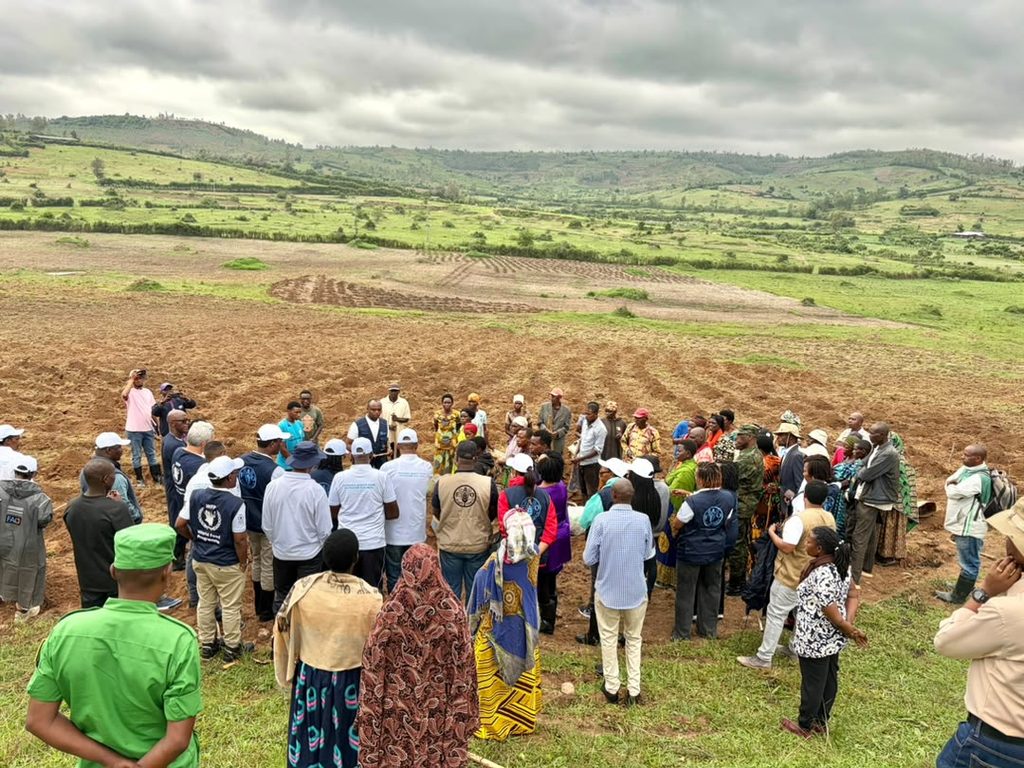
Meanwhile, activities to mark the 2026 World Food Day in Gatsibo District also focused on preparations for the 2027A agricultural season.
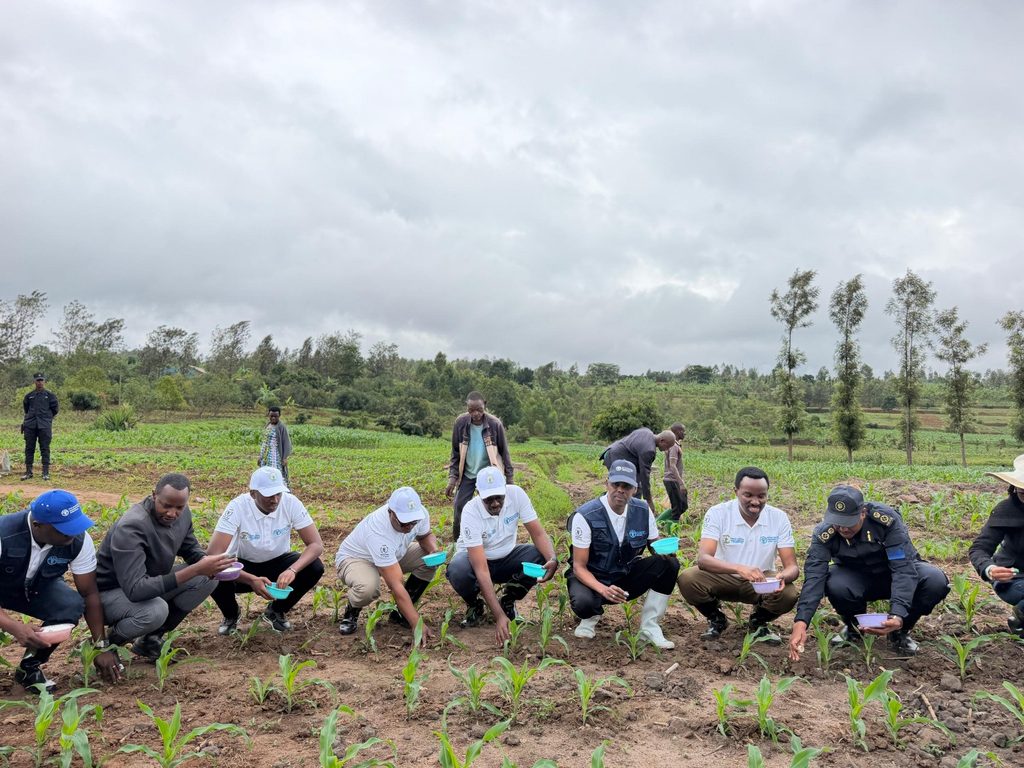
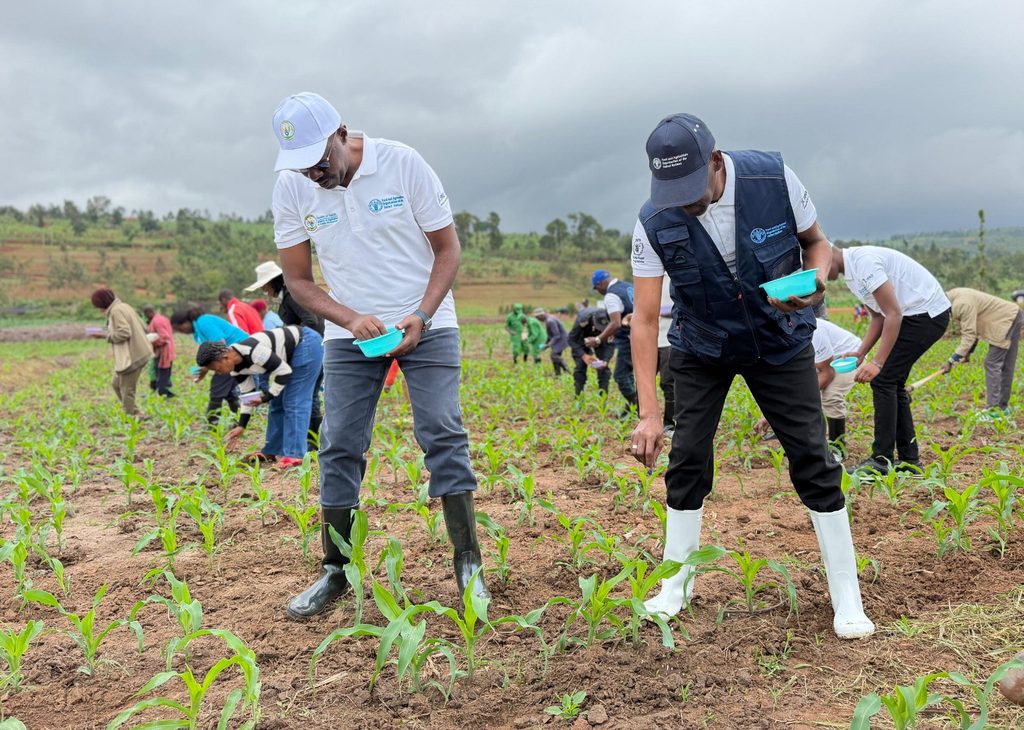
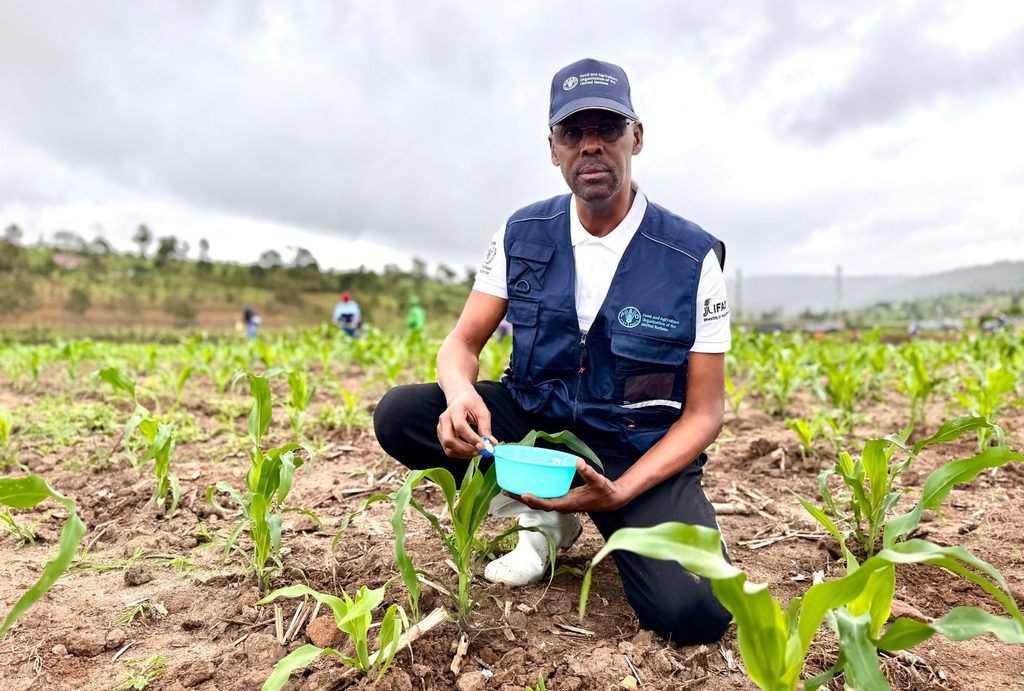
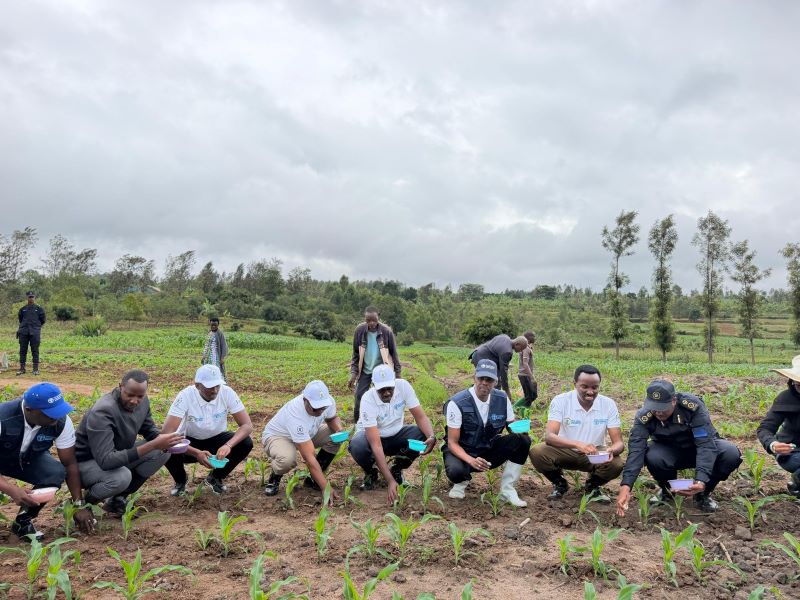
The Minister of State in the Ministry of Agriculture and Animal Resources, Dr. Telesphore Ndabamenye, joined FAO and other partners in applying fertilizer to a demonstration field under the food production program.
The activity is intended to encourage farmers to prepare early for the next planting season, use agricultural inputs appropriately, strengthen crop disease and pest management, and build resilience against the effects of climate change.
World Food Day is observed globally every October 16. However, some countries, including Rwanda, may organize commemorative activities on different dates to allow for wider community participation in initiatives promoting food security and improved nutrition.
Through programs such as the distribution of Juncao Hybrid Napier seedlings, fruit tree planting and early preparations for the next agricultural season, Rwanda is seeking to harness innovation to increase agricultural productivity, improve farmers’ livelihoods and build more resilient food systems capable of withstanding climate-related challenges.