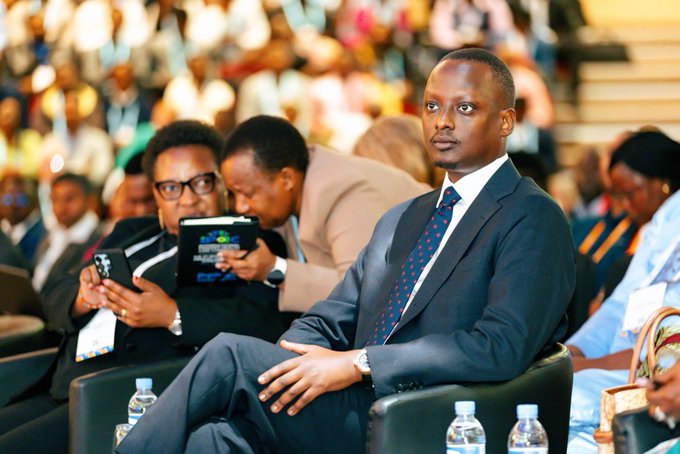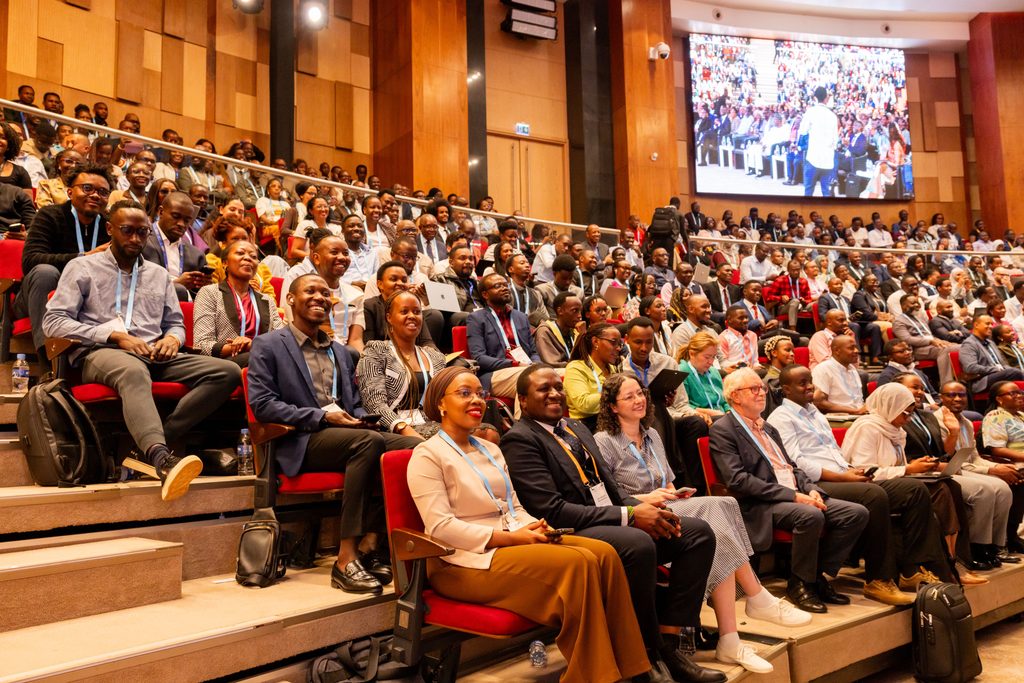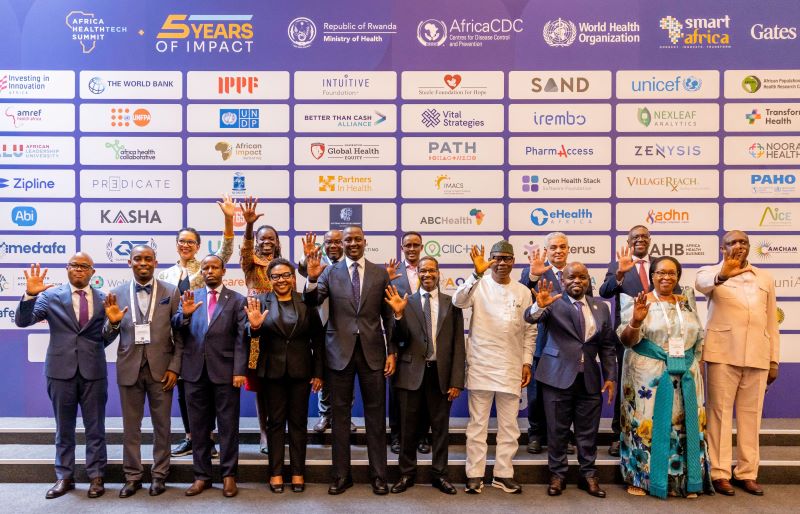
The fifth Africa HealthTech Summit (AHTS) has officially opened in Kigali bringing together more than 5,900 delegates, including policymakers, health professionals, innovators, investors and development partners, for three days of discussions on the future of healthcare in Africa.
The summit is from September 30 to October 2 under the theme “Wellness for All: Powered by Intelligent Health Systems,” the summit is examining how digital technologies, artificial intelligence (AI), data and innovation can help African countries build more resilient, responsive and people-centered health systems.
The fifth edition marks a milestone for AHTS, which has evolved into a continental platform connecting governments, healthcare leaders, technology innovators, investors and development partners around digital health transformation.
Prof. Mohamed Yakub Janabi, WHO Regional Director for Africa, called on African countries to take greater ownership of their digital health transformation and develop solutions that respond to the continent’s specific needs.
“Let us not simply digitise healthcare. Let us transform health, and ensure that Africa is not merely a user of health innovation, but a global leader in creating it,” Prof. Janabi said.
He encourages governments to create an enabling environment for innovation, while encouraging innovators to address real health challenges and investors to help take proven solutions beyond the pilot stage.

From pilot projects to systems that deliver
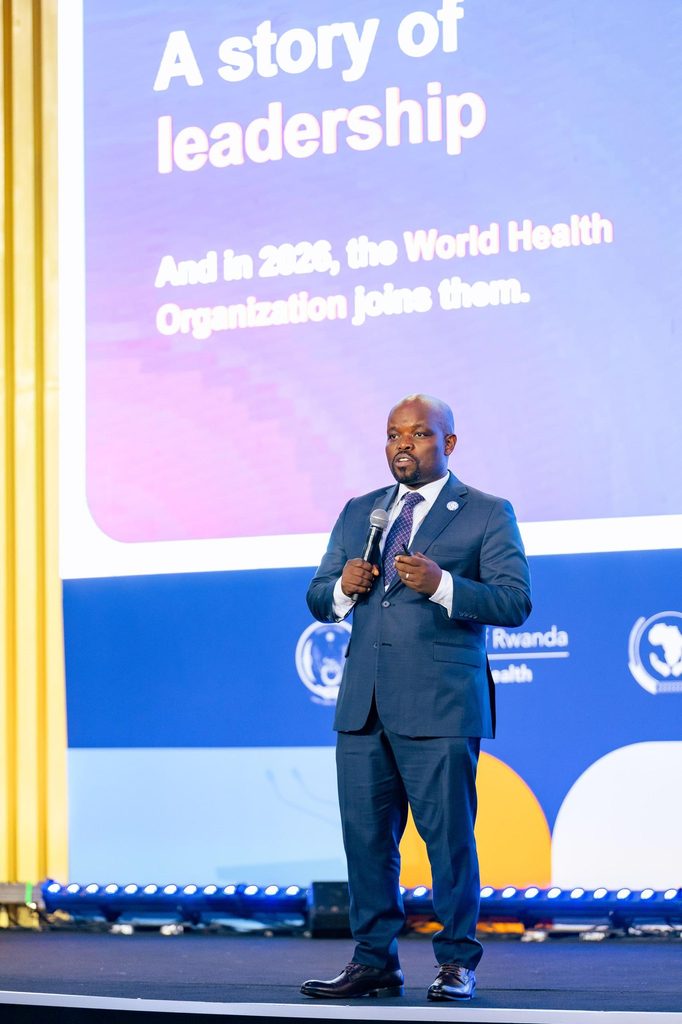
Reflecting on AHTS’s five-year journey, Jean-Philbert Nsengimana, Chairman and Chief Curator of the summit, highlighted the need for Africa’s health technology ecosystem to enter a new phase focused on implementation and long-term impact.
He recalled that the summit began as an idea developed on a hotel napkin and has since grown into a platform connecting governments, innovators, investors and health leaders from across the continent.
Nsengimana called for a shift from pilot projects to fully deployed systems, from individual engagements to sustained collaboration, and from standalone digital tools to integrated and intelligent health systems.
The emphasis on implementation builds on the evolution of AHTS itself. The summit’s previous editions focused progressively on digital health innovation and implementation, while the 2026 edition expands the conversation towards intelligent health systems and lifelong wellness.
The summit organizers say the next phase should focus on solutions that can be integrated into national health systems and deliver measurable improvements for communities rather than remaining limited to short-term projects.
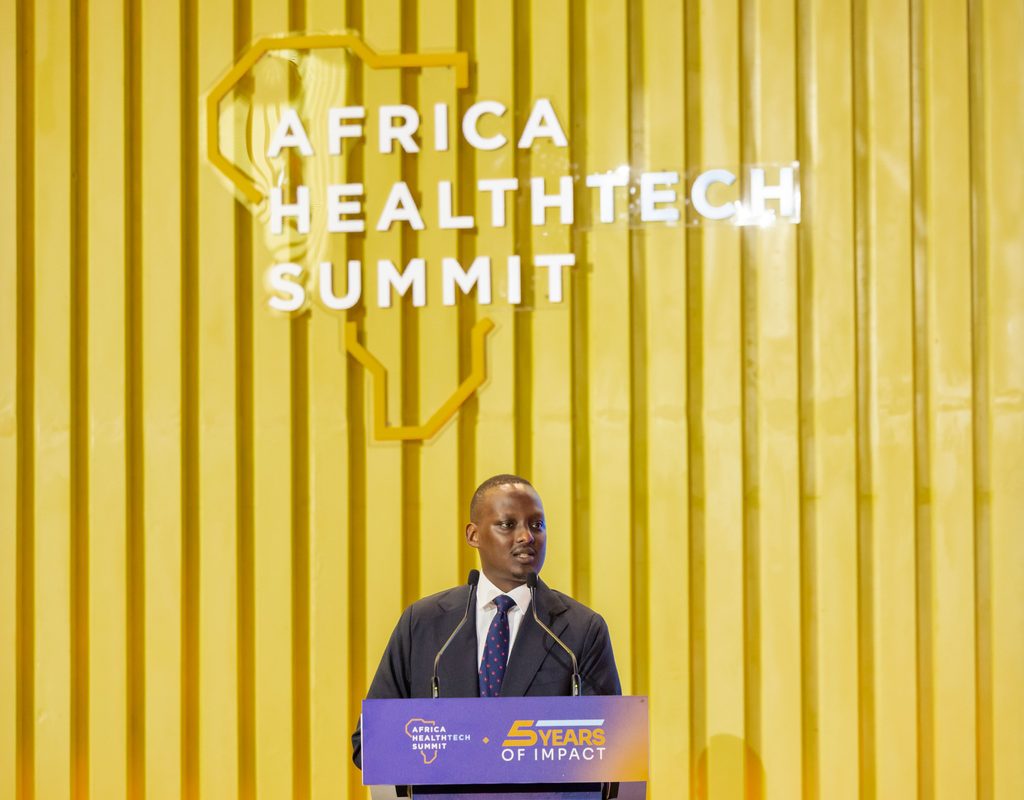
Dr Yvan Butera, Rwanda’s State Minister of Health officially opened the Africa HealthTech Summit 2026 on behalf of the Government of Rwanda, highlighting the country’s use of digital health technologies to strengthen healthcare delivery, from communities to specialized hospital services.
“Using digital health systems to connect community health workers, health centers, hospitals and specialists, enabling earlier identification and management of high-risk pregnancies, the role of more than 24,000 community health workers, electronic health records, ultrasound services and virtual specialist support are helping improve healthcare delivery, including efforts that have contributed to a 30% reduction in maternal mortality over the past two years.”
AI and local innovation at the center
Artificial intelligence is among the major issues being discussed during the three-day gathering, alongside health data, interoperability, digital infrastructure, financing, workforce development and prevention. The program includes sessions examining responsible AI adoption, digital public infrastructure and the use of data to improve health decision-making.
Speakers are also calling for stronger investment in African innovation and greater local ownership of technologies used in the continent’s health systems.
The discussions come as African countries seek ways to use emerging technologies while ensuring that digital health solutions remain relevant to local needs, sustainable beyond individual projects and accessible to communities.
The discussions will continue until October 2, when participants are expected to consolidate ideas and partnerships emerging from the summit into the next phase of Africa’s digital health journey.