The World Health Organization (WHO) estimates that rabies causes about 59,000 human deaths every year, with most deaths occurring in Africa and Asia. Dogs are responsible for up to 99%of human rabies cases, while children under the age of 15 account for about 40% of people affected by the disease. This highlights the importance of rabies prevention includes dog vaccination.
“Rabies is a vaccine-preventable disease, and mass vaccination of dogs is one of the most effective ways to prevent human rabies,” according to the WHO.
Against this global burden, Rwanda is strengthening efforts to prevent and eliminate rabies through a One Health approach that brings together human health, animal health and environmental protection as it set a target of eliminating rabies by 2030, with authorities and partners placing greater emphasis on dog vaccination, responsible ownership, disease surveillance, public awareness and preventing contact between domestic dogs, people and wildlife.
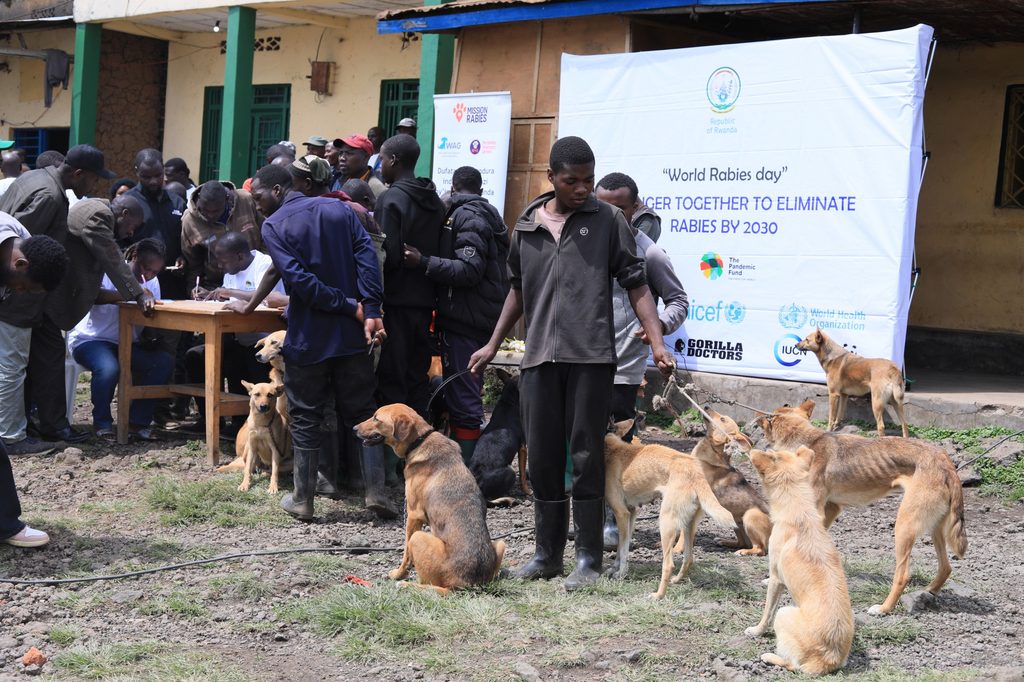
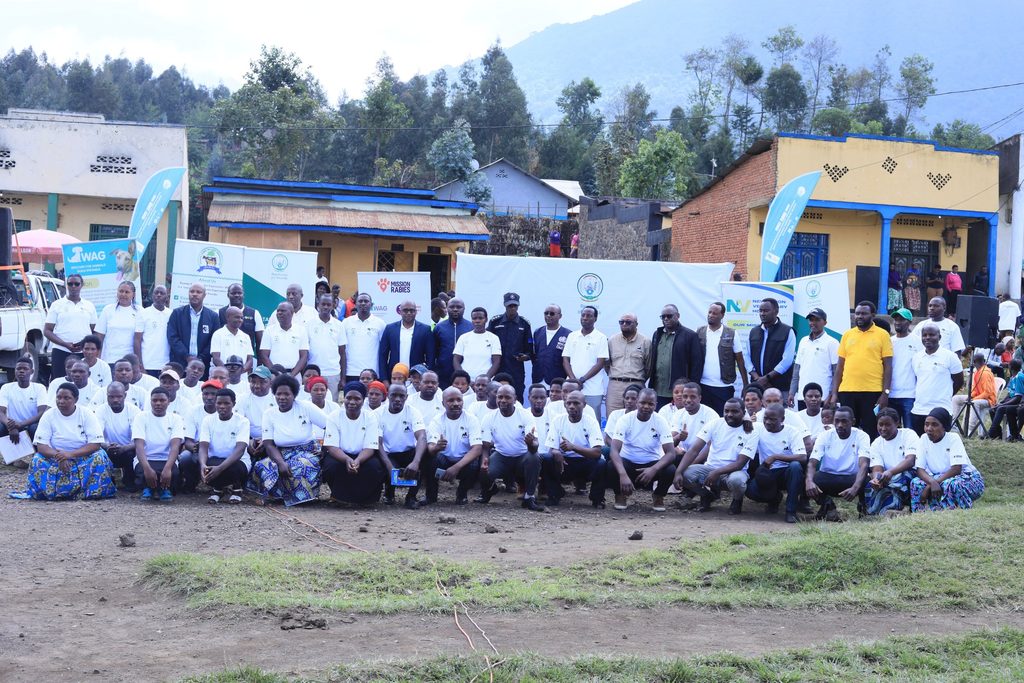
The efforts were highlighted during activities to mark World Rabies Day, observed every September 28. This year, activities were held in Kinigi Sector, Musanze District, where residents were sensitized about rabies prevention and encouraged to take better care of their dogs.
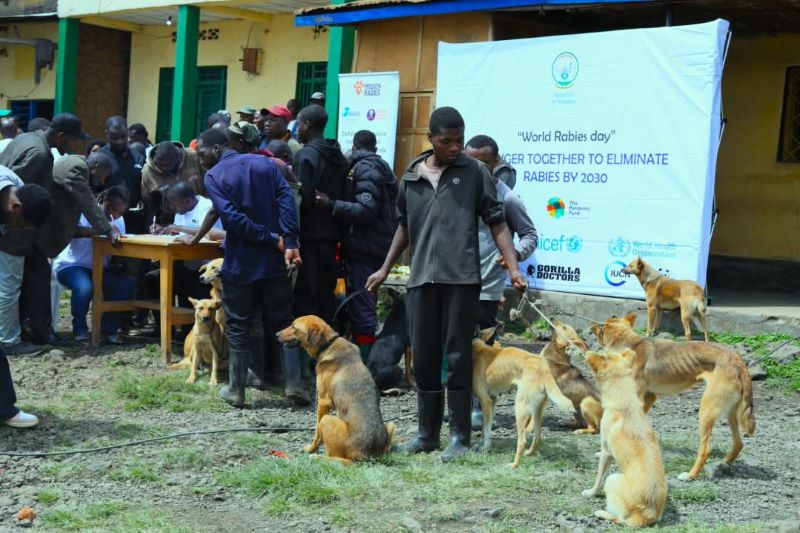
Residents brought their dogs for vaccination, while other dogs were sterilized as part of efforts to manage the dog population and reduce the number of animals roaming freely in communities.
Dogs that bite people should be monitored, not automatically killed
Dr Jean Claude Rukundo, an official at Rwanda Agriculture and Animal Resources Development Board (RAB) in charge of monitoring livestock diseases, said a dog that bites a person should not automatically be killed.
He explained that rabies is a contagious disease that can be transmitted through the bite of an infected dog and said the appropriate response after a bite is to place the animal in a designated area where it can be monitored and properly cared for.
“Dogs are animals that need to be cared for. They also need exercise and should not simply be confined inside a compound. However, when taken outside, they should be accompanied by their owners to prevent them from attacking or biting people, which could expose them to disease,” he said.
The approach allows authorities to monitor the dog and take appropriate action while also ensuring that people exposed to possible rabies receive medical attention. Dr Rukundo also emphasizes responsible dog ownership, including vaccination, proper feeding and supervision, as important measures for reducing the risk of bites and disease transmission.

Theobald Kayiranga, Musanze District Vice Mayor in charge of Social Affairs, urged residents to keep dogs only when they have the means to feed and care for them properly.
“We encourage people who want to own dogs to do so only when they have the means to feed and properly care for them. They should not rely on dogs to find their own food, including by allowing them to hunt,” he said.
“When a dog is hungry, particularly in this area close to the park, it may enter the park in search of food. This creates problems because a dog carrying a disease can transmit it to wildlife. As authorities, we cannot allow dogs to become a threat to Volcanoes National Park,” added Kayiranga.
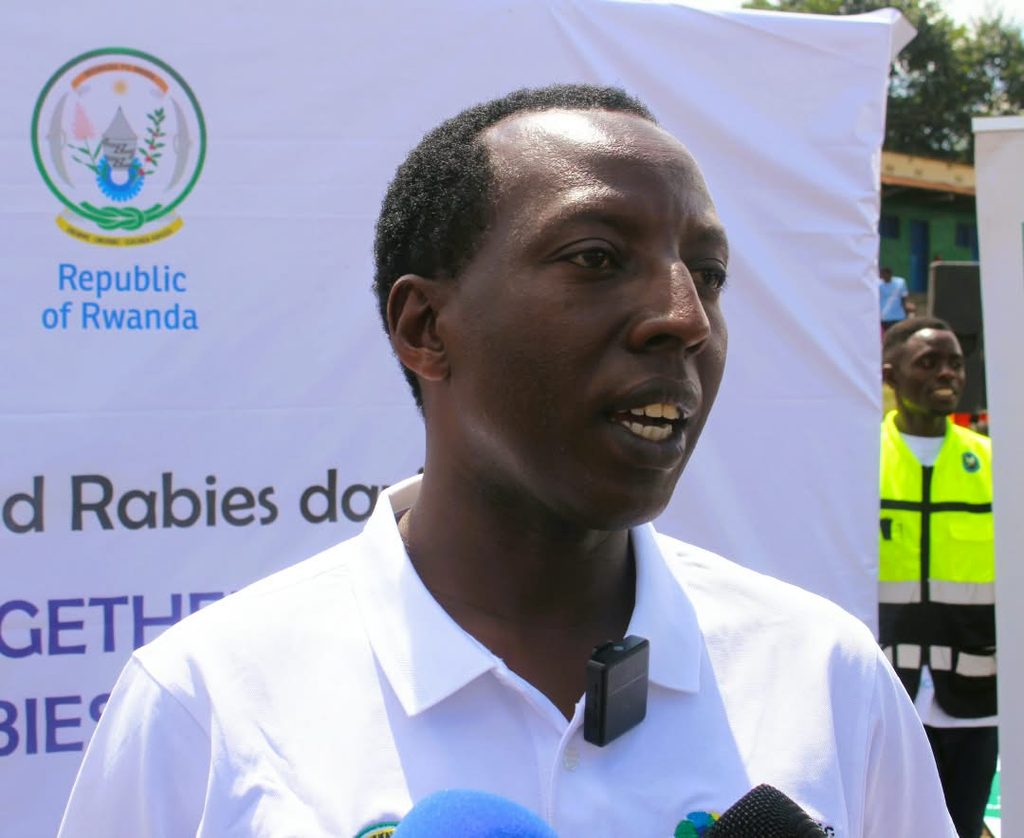
Ladislas Nshimiyimana in charge of neglected tropical diseases at Rwanda Biomedical Centre (RBC), said the One Health approach is central to Rwanda’s efforts to eliminate rabies.
“This approach is an initiative that we need to attach great importance to because it protects the health of people, animals and the environment. We aim to eliminate rabies by 2030,” he noted.
“We are paying particular attention to districts close to Volcanoes National Park because dogs can enter the forest and transmit diseases to wildlife or contract diseases there, which could also have consequences for tourism, an important source of foreign exchange for the country,” he added.
Ladislas also urged residents to take precautions to prevent dog bites and seek appropriate medical attention promptly if they are bitten. Rabies is preventable, but once clinical symptoms appear, it is virtually always fatal. Prompt post-exposure treatment for people exposed to the virus, combined with sustained dog vaccination, remains essential to preventing deaths.

Claudine Uwingabire, a resident of Kinigi Sector, Kaguhu Cell shared that the campaign had helped her understand the importance of responsible dog ownership and vaccination.
“This initiative is important because it encourages people to take care of their dogs and have them vaccinated. This helps prevent them from roaming, entering the park or biting residents and transmitting rabies,” she shared.
She encouraged other residents to participate in vaccination campaigns and sensitize their neighbors about rabies prevention to protect themselves as well as their dogs.
The campaign in Kinigi involved several institutions and partners, including the Rwanda Biomedical Centre (RBC), International Gorilla Conservation Programme (IGCP), International Union for Conservation of Nature (IUCN), Rwanda Development Board (RDB) and Rwanda Agriculture and Animal Resources Development Board (RAB), and others.