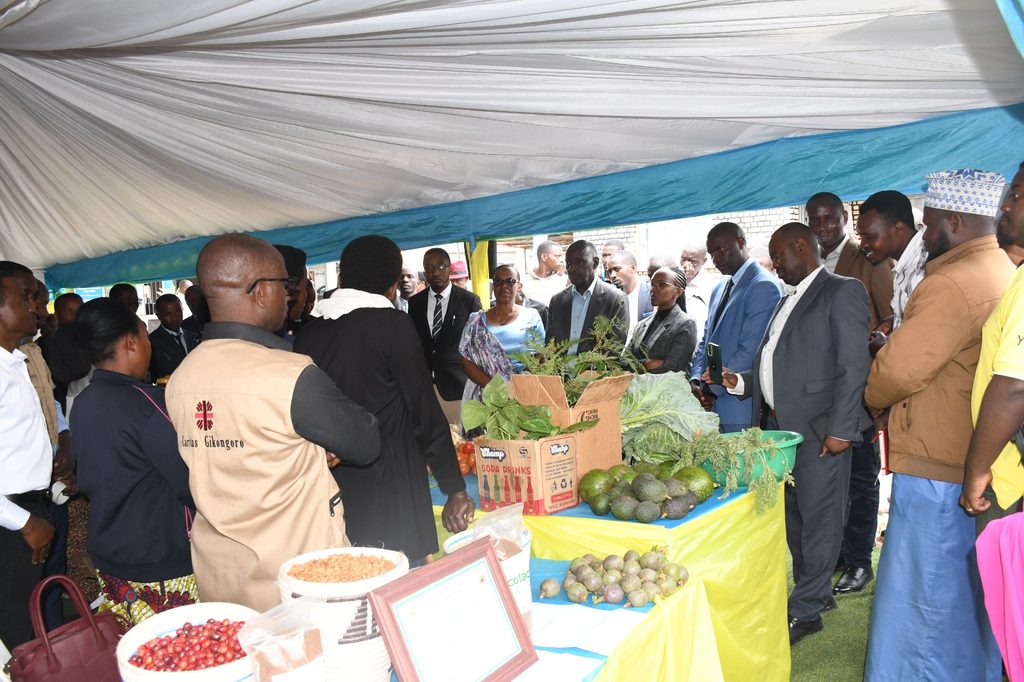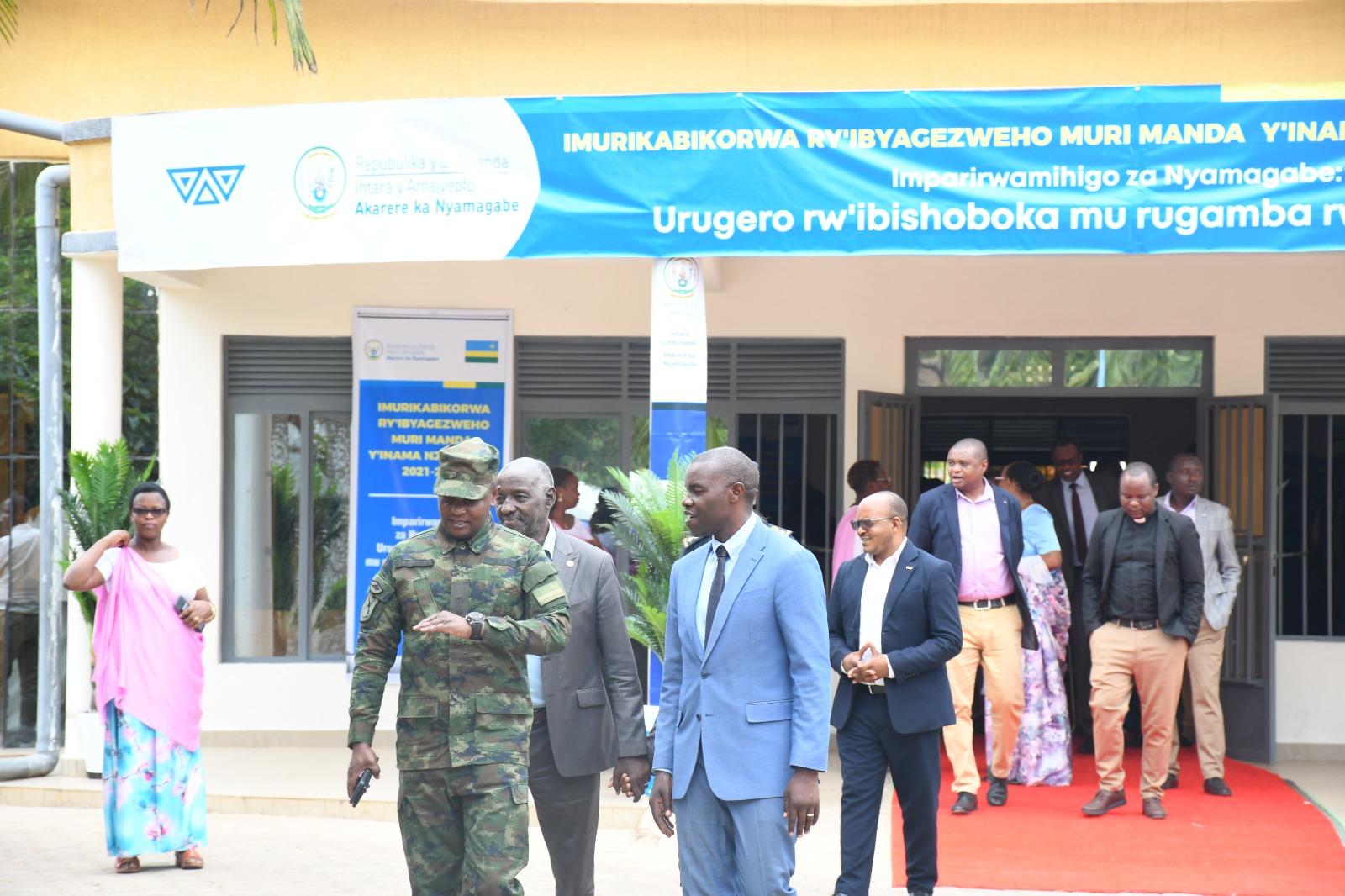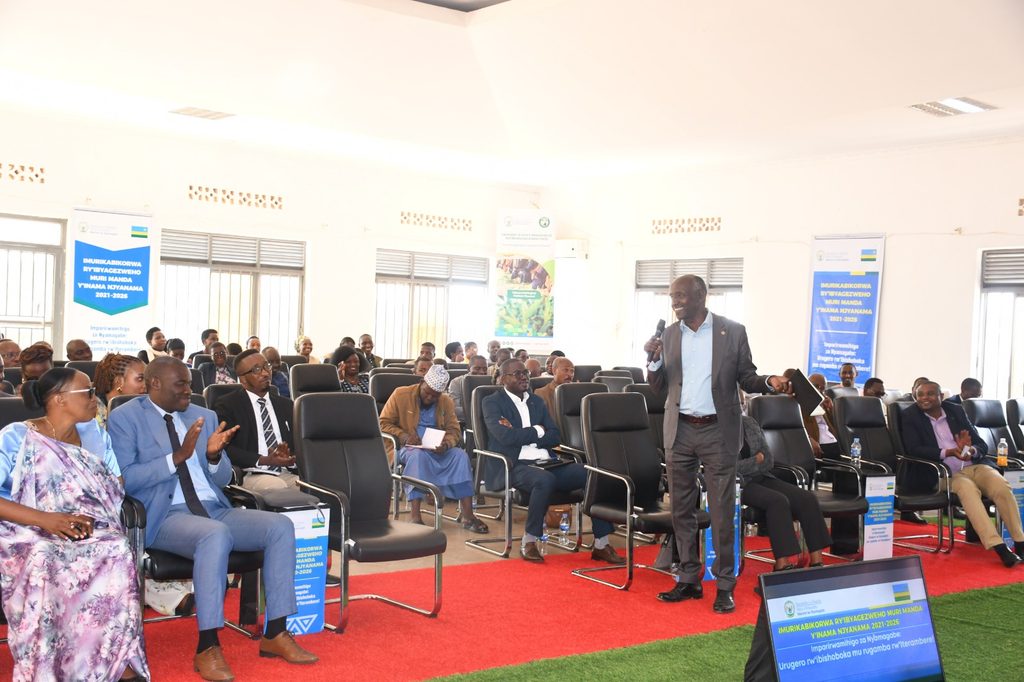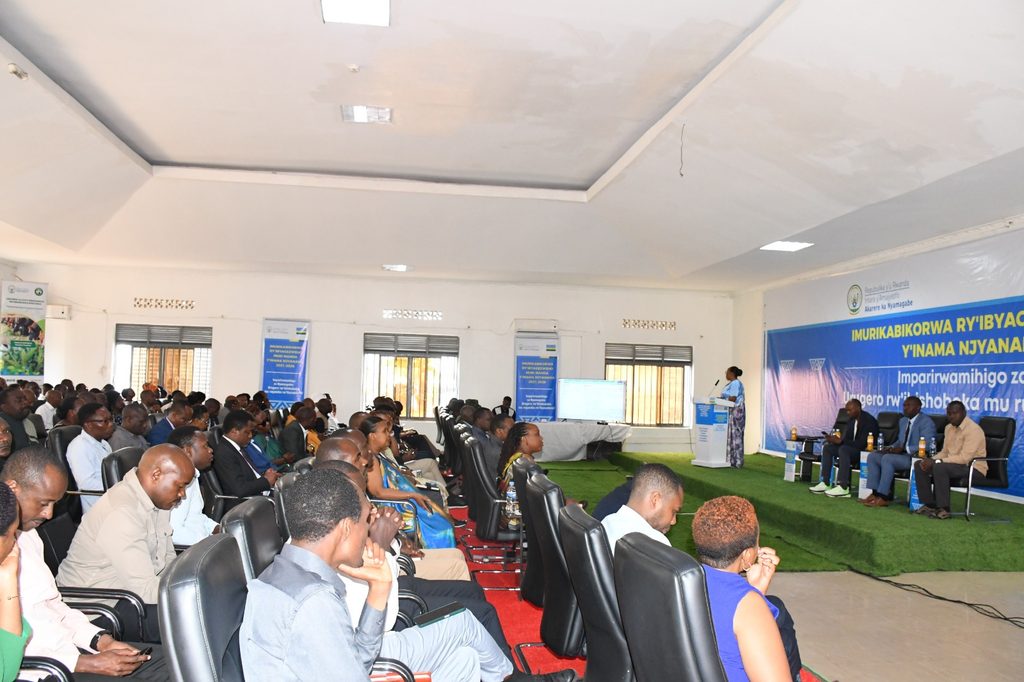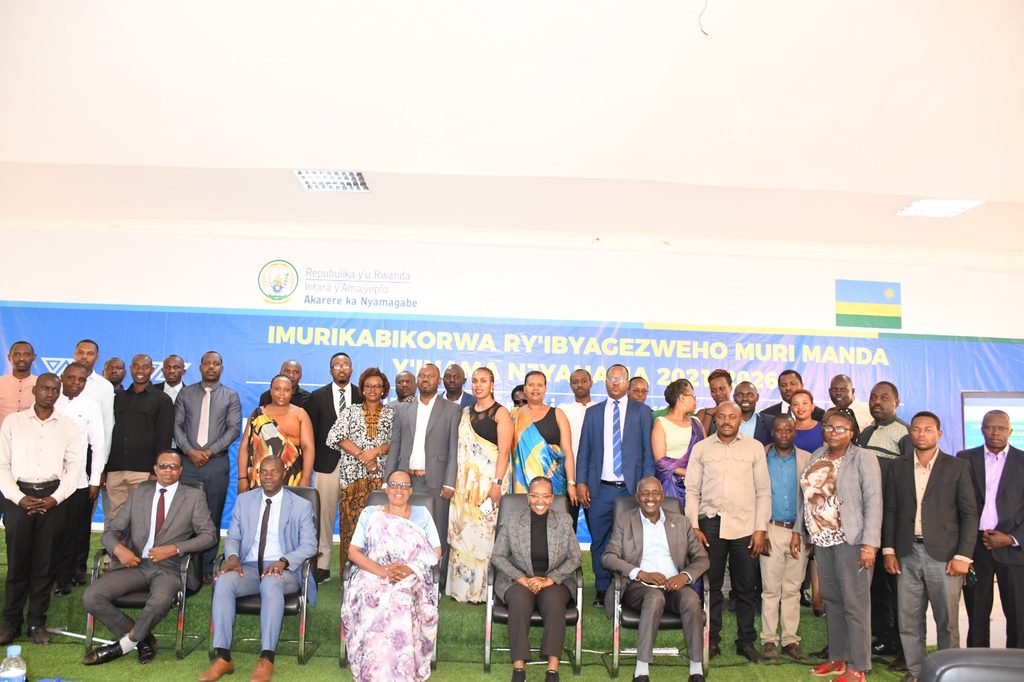
The five-year term of the Nyamagabe District Council, which began on November 19, 2021, has come to an end, leaving behind a range of development achievements in infrastructure, agriculture and livestock, education, healthcare, social protection and governance.
The 17-member District Council, led by Chairperson Clotilde Uwamahoro, was sworn in on November 19, 2021, marking the beginning of its five-year mandate. Throughout the term, the Council held ordinary and extraordinary sessions, as well as committee meetings, where it deliberated on key issues affecting the district, including development plans, budgets, tax collection, public services, governance and residents’ welfare.
Council members also maintained close contact with residents through the Councilors’ Week program, which provided an opportunity to listen to citizens’ concerns and priorities and bring them into discussions with district authorities.
During the five-year period, the Council approved a total budget of Frw 201,818,094,034, which was allocated to various programs and projects aimed at accelerating development across Nyamagabe.
Infrastructure development was among the areas that recorded significant progress during the Council’s term. In Nyamagabe town, about 12 kilometres of paved roads were constructed, improving mobility and connectivity within the urban area. The district also constructed the 7-kilometre Muse–Ryarubondo laterite road, while construction of the 9.26-kilometre Kaduha–Mugano road is ongoing.
Residents say the improved roads have made transportation easier, reduced the difficulties involved in taking agricultural produce to markets and contributed to the growth of local businesses.
One resident said the roads had made a noticeable difference, particularly for farmers and traders. “The construction of these roads has changed many things. It is now easier to travel and transport our produce to the market, and our businesses are performing better than before.”
The district also constructed five markets, including Kigeme Modern Market, Ryarubondo Livestock Market, Kaduha Livestock Market, Manwari Small Market and Gakoma Small Market. Traders operating in the new facilities say the improved infrastructure has provided them with safer and more suitable spaces for doing business, while reducing losses caused by rain and poor working conditions.
“Before, we operated in places that were not suitable, and sometimes our goods were damaged. Having a properly constructed market allows us to work in a safer and better environment.”
Agriculture: Lime use and potato seed production surge
Agriculture remained another major priority during the five-year period. District figures show a significant increase in the use of agricultural lime. In the 2021/2022 financial year, farmers used 2,995 tonnes of lime, compared with 9,096 tonnes in 2025/2026 more than three times the amount recorded five years earlier.
The district also established 1,042 hectares of radical terraces and implemented soil erosion control measures across 7,687 hectares. Potato seed multiplication also recorded major growth. In 2022, potato seed production stood at about 600 tonnes, representing 5%, but increased to 10,000 tonnes, or 33%, in 2025/2026.
According to the district, the increase was largely driven by efforts to encourage farmers to engage in potato seed multiplication, as well as the use of land along the Nyungwe National Park belt for agricultural activities.
Antoinette Mukanyirigira, a potato seed multiplier, says the program has opened up new economic opportunities for farmers. “Potato seed multiplication has given us an opportunity to increase our production and income. We have realized that it can be developed into a profession that enables us to improve our livelihoods.”
Other agricultural achievements included the rehabilitation of the 77-hectare Mushishito wetland, construction of four maize drying facilities and two potato storage facilities in Buruhukiro and Uwinkingi sectors. In livestock development, the Girinka programme distributed 5,041 cows, while artificial insemination resulted in 6,579 calves.
Electricity access expands
Nyamagabe also made progress in expanding access to electricity. The Gasarenda–Nkumbure–Shaba electricity network was extended by 8.11 kilometres of medium-voltage lines and 23 kilometres of low-voltage lines.
The Rambya–Bushigishigi–Kizimyamuriro network was also extended, with 11.5 kilometres of medium-voltage lines and 45 kilometres of low-voltage lines added. As a result, the proportion of households connected to the electricity grid increased from 32% in 2021/2022 to 44% in 2025/2026. Access to solar power also expanded, rising from 57% of households in 2021/2022 to 88% in 2025/2026. Street lighting was also installed along the Huye–Kitabi–Rusizi road, improving visibility and safety for road users.
Access to clean water improves
In the area of social welfare, the district constructed six water supply systems covering 172.7 kilometres and rehabilitated 12 water networks covering 263.8 kilometres. These interventions helped increase the proportion of households with access to clean water from 59% in 2021/2022 to 81.5% in 2025/2026.
Residents say improved access to water has reduced the distance they previously travelled to fetch water while also improving hygiene at household level. Alphonse Hnyurwimfura, a resident of Musange Sector, said: “Bringing clean water closer to residents has helped us greatly. We no longer have to travel long distances to fetch water, and hygiene in our homes has also improved.”
Education: 186 classrooms constructed
The education sector also benefited from significant investment. Three new schools were constructed: Tare TVET, EP Kimina and EP Kaganza. The district also built 186 new classrooms, while 11 schools were upgraded to higher categories. Residents say the new infrastructure has brought education services closer to communities and reduced the distance children have to travel to school.
“Having schools closer to us has helped greatly. Children no longer have to walk long distances to attend school, which has also given us parents peace of mind.”
Health and nutrition indicators improve
The district also recorded progress in healthcare and nutrition. The prevalence of stunting among children under two years of age declined from 34.9% in 2021/2022 to 10.7%. Among children under five, the stunting and malnutrition rate fell from 33.6% in 2020 to 29.4% in 2025.
Nyamagabe also expanded health infrastructure by establishing health posts and maternity waiting homes in Mugano, Cyanika, Nyarwungo, Nyamagabe and Kibumbwe. Mothers using these services say they have made healthcare more accessible and encouraged pregnant women to seek care earlier.
“Having health facilities nearby encourages us to seek medical care early. For pregnant women, maternity waiting homes also help us prepare for childbirth and give us greater peace of mind.”
12,500 households benefit from Nyamagabe Gira Wigire
Social protection programmes also formed an important part of the district’s development agenda. A total of 292 houses were constructed and 1,211 repaired, while 613 latrines were constructed and 8,933 rehabilitated. In addition, 122 vulnerable survivors of the 1994 Genocide against the Tutsi were supported with housing.
Since the 2024/2025 financial year, about 12,500 households have been benefiting from the Nyamagabe Gira Wigire programme, which seeks to help vulnerable families overcome poverty and become economically self-reliant.
Chantal Uwamahoro, one of the beneficiaries, says the programme has given her family an opportunity to work towards a more secure future.
“The support we received helped us start activities that generate income and improve our livelihoods. What we want now is to continue working hard so that our family can become self-reliant.”
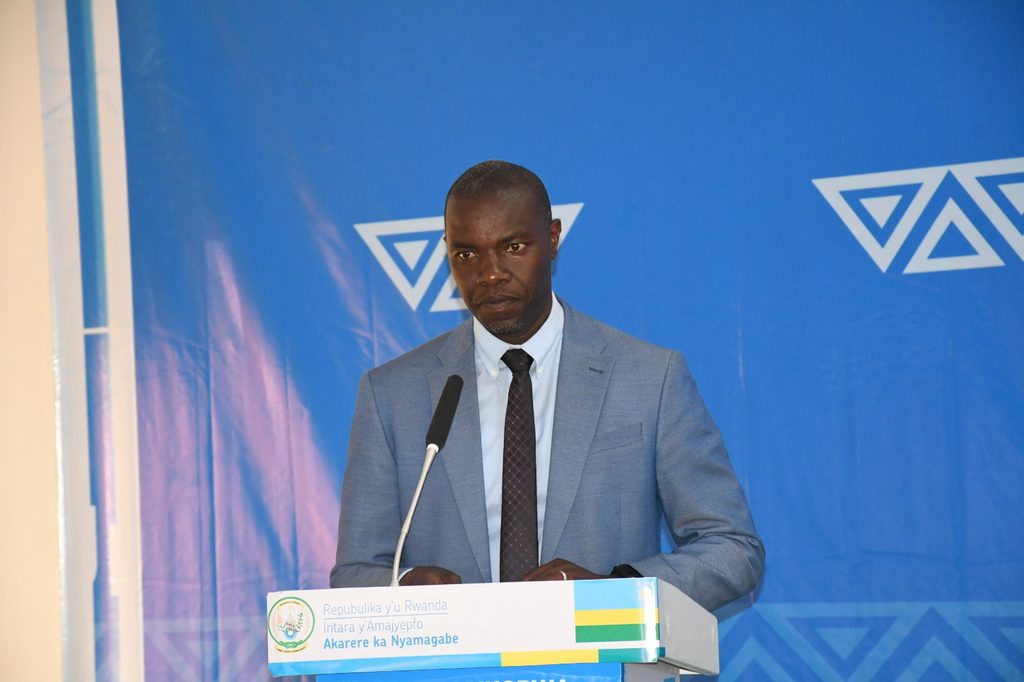
Hildebrand Niyomwungeri, the mayor of Nyamagabe district, attributed the achievements to collaboration between the Council, district leadership, government institutions, development partners and residents.
“The achievements recorded during this five-year term did not come from one institution alone. They are the result of collaboration between the District Council, district leadership, different institutions and the residents. Council members played an important role in following up residents’ concerns and supporting development programs.”
Skills development creates opportunities for young people
The district also invested in vocational training and economic empowerment. A total of 1,399 people who completed short-term vocational training received start-up tools to enable them to practise the skills they acquired.
Meanwhile, 730 people with disabilities received assistive devices, while young people were trained in various vocational skills through the Nyamagabe Youth Centre. Young people who benefited from the training say the skills have helped them create their own employment opportunities rather than relying solely on formal jobs.
“The vocational skills we acquired gave us knowledge that we can use to create our own jobs. Instead of waiting for employment, we can now start our own activities and improve our livelihoods.”
Governance and digital services advance
The Council’s term also saw improvements in governance infrastructure and digital literacy. Fourteen sector-level administrative office buildings were renovated, while a new office for Kibyagira Cell was constructed.
Digital literacy among residents also increased significantly. From a baseline of zero in 2022/2023, the number of people trained in digital technology reached 71,450 by 2025/2026.
Under the Byikorere programme, which encourages citizens to access government services independently through digital platforms, the participation rate increased from 0% in 2023/2024 to 15% in 2025/2026.
Tax revenue and financial management improve
Nyamagabe also strengthened its capacity to generate local revenue. In 2021/2022, the district collected Frw 983,560,429 in taxes. By 2025/2026, tax revenue had increased to Frw 1,648,009,044. The district also made significant progress in implementing recommendations from the Auditor General. Implementation of audit recommendations increased from 17% in 2021/2022 to 80% in 2025/2026, after standing at 74% the previous year.
Nyamagabe posts strong performance in Imihigo
The achievements recorded during the five-year term were accompanied by improved performance in the national Imihigo performance contracts. In the 2023/2024 Imihigo assessment, Nyamagabe District ranked first, becoming the top-performing district after more than a decade without reaching the position.
The District Mayor said the achievement demonstrated what can be accomplished when institutions and citizens work together.
“Nyamagabe’s first-place ranking in Imihigo is a source of pride for the district, but more importantly, it demonstrates that when institutions work together, citizens support development programmes and everyone fulfils their responsibilities, results become visible.”
The end of the five-year term of the Nyamagabe District Council leaves behind a record of progress across several sectors, including infrastructure, agriculture, education, healthcare, social protection, economic development and governance.
Beyond the physical projects and improved indicators, the Council’s term also highlighted the importance of citizen participation and institutional accountability. Through its deliberations, oversight and engagement with residents, the Council played a role in bringing citizens’ concerns to the attention of district authorities and supporting the implementation of development priorities. The experience of the past five years demonstrates that sustained collaboration between local leaders, residents and other stakeholders can translate development plans into tangible improvements in people’s lives.