As forests shrink, the search for firewood becomes longer. Soil erosion eats away at farmland, while households increasingly feel the consequences of environmental degradation.
In Gisagara and Huye districts, women involved in environmental conservation groups say protecting nature is about far more than planting trees. For them, it is about protecting the health, livelihoods and future of their families.
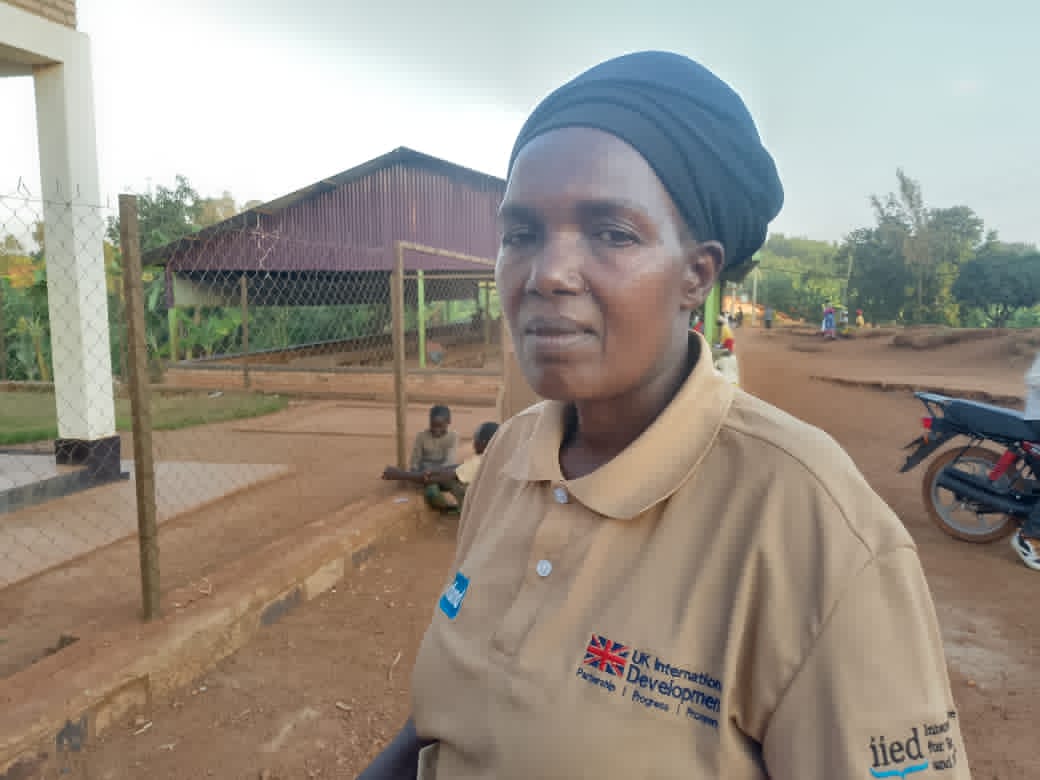
Every morning, as Francine Mukamudege prepares food for her family, there is one question she must first answer: Where will I get firewood to cook? It is not a new question for the mother of a family living in Kabuhembe Village, Bweya Cell, Ndora Sector in Gisagara District. But she says that with each passing year, finding an answer has become increasingly difficult.
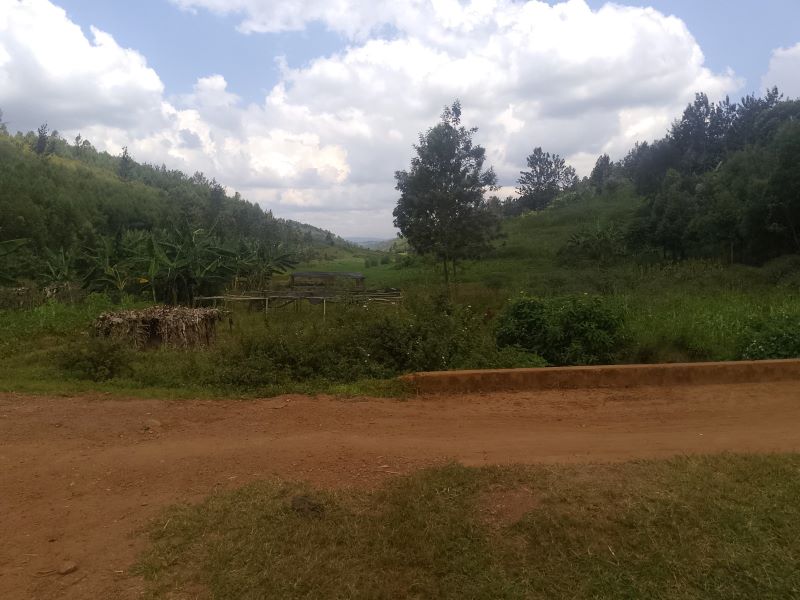
The forests that once stood close to her home have gradually disappeared. When firewood becomes scarce, women are forced to travel longer distances to find it journeys that consume time and energy and can interfere with other responsibilities at home.
“Sometimes we have to travel long distances to look for firewood because the forests near where we live have been depleted. Cooking becomes a challenge because finding firewood is difficult,” She says.
The scarcity of firewood is just one of the visible signs of environmental degradation affecting communities in the area. As trees disappear, the soil is also left increasingly exposed. During heavy rains, erosion can wash away fertile topsoil, damage farmland and, in some cases, threaten homes and other infrastructure.
For Mukamudege, environmental degradation is therefore not an issue discussed from a distance. It is a reality that has become part of everyday life, the absence of trees also creates challenges during the dry season.
“When there are no trees, especially during the dry season, you may not even have a place to find shade. And when you do not have trees that can be integrated with crops and produce fruit, children may also miss out on fruits that are important for their nutrition.”
It is against this backdrop that AEE Rwanda is stepping up efforts to protect the environment through the REDAA programme, supported by the TeaFund. The program seeks to help communities restore degraded ecosystems, adopt more sustainable ways of using natural resources and build a healthier relationship between people and their environment.
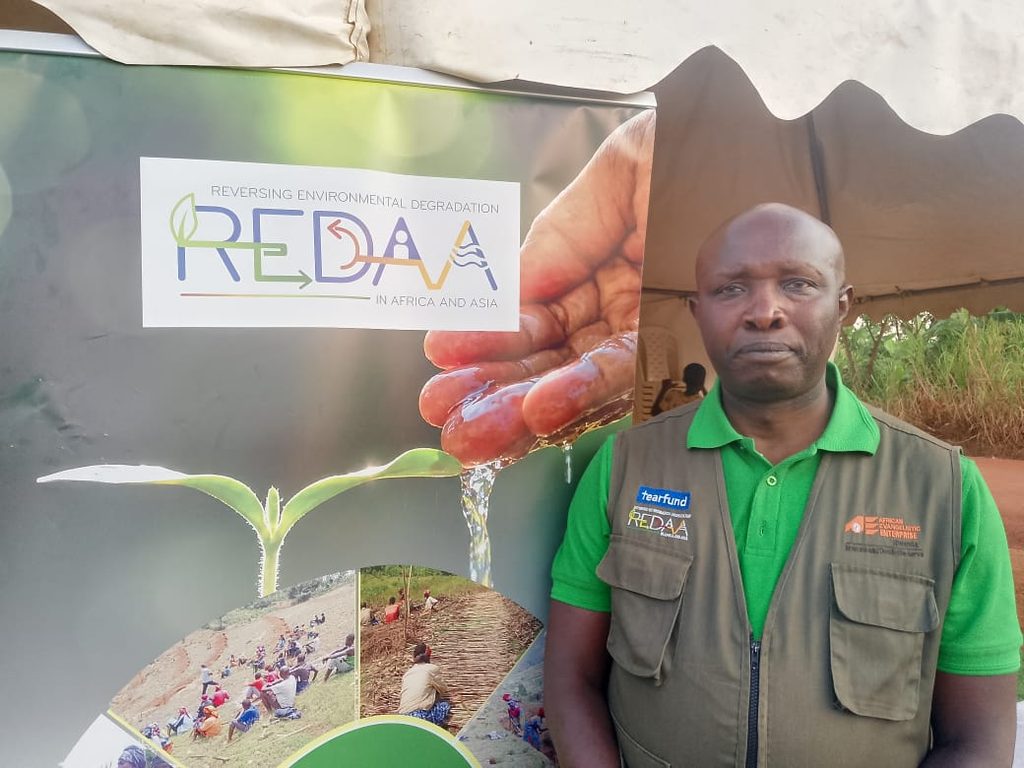
Namara Welini, who oversees REDAA project activities at AEE Rwanda’s Huye branch, says the program is built around a simple principle: people should not view the environment merely as a resource to be exploited, but as something they have a responsibility to protect.
“People need to live in harmony with the environment because they have a responsibility to protect it. The environment has been degraded by human activities, but the consequences eventually come back to affect people themselves,” He says.
He says this is why REDAA places strong emphasis on educating communities about how they can use natural resources without destroying the ecosystems that sustain them.
The program works with community groups in two sectors of Gisagara District and two sectors of Huye District. Women make up nearly 75 percent of the members of these groups. According to Welini, this strong participation of women is important because they are often among those most directly affected when environmental resources become scarce.
“When you look at a household, you often find that a woman is the one who knows whether there is enough firewood, whether food has been prepared and, in many cases, she is also the one who goes out to look for firewood. That is why when we educate a woman about environmental conservation, we have a better chance of reaching the entire household.”
But women are not only among those who experience the consequences of environmental degradation. They can also play a powerful role in reversing it.
“When you prioritize educating women about the importance of protecting the environment, you are educating the household and, in a broader sense, you are educating the country,” Welini adds.
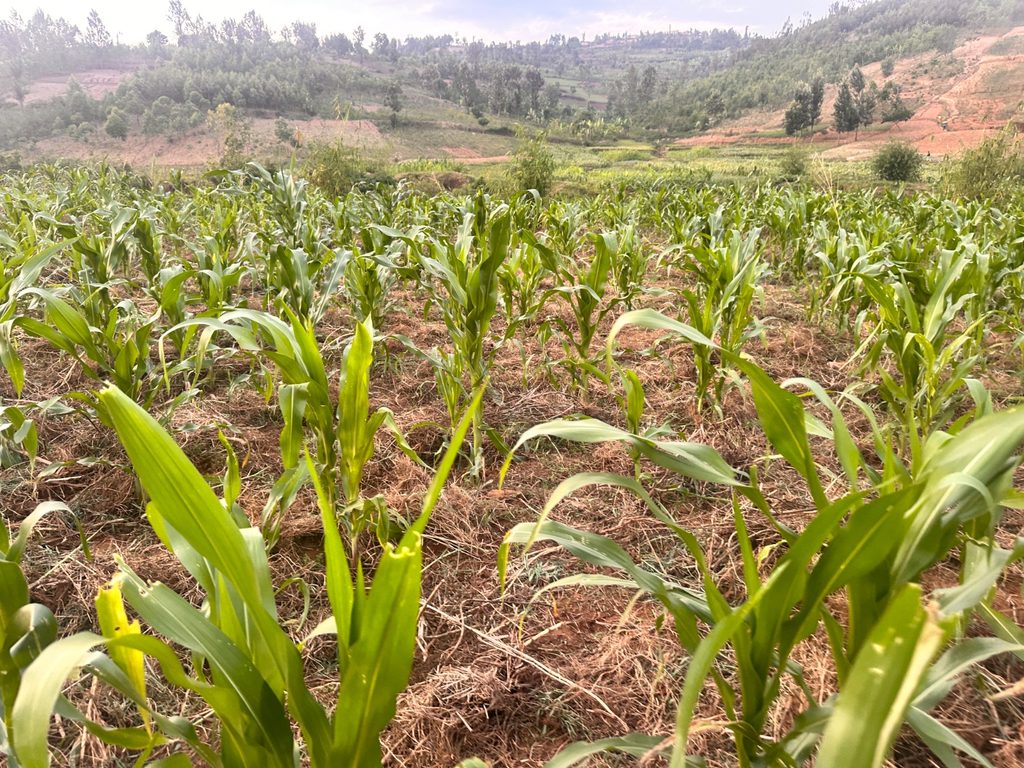
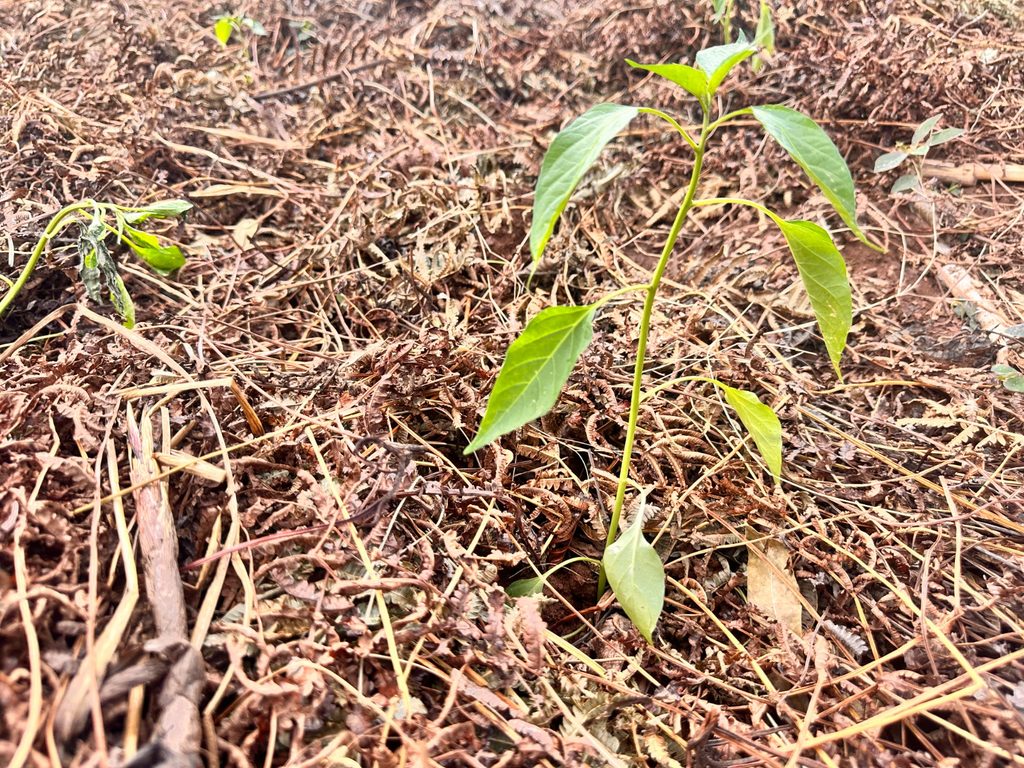
Since April 2024, REDAA activities have resulted in the planting of more than 600,000 trees, including agroforestry trees and fruit trees. For communities participating in the program, however, a tree represents much more than something planted in the ground.
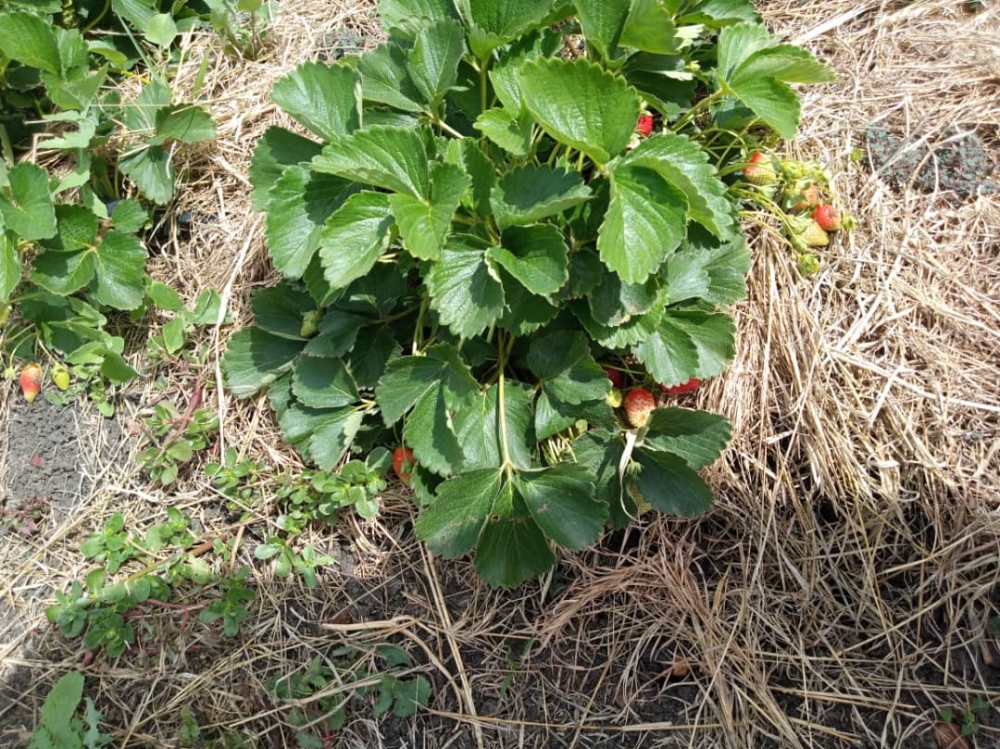
It can help hold soil in place and reduce erosion. It can provide shade. It can produce fruit. And, in the long term, it can become a source of income and food for a household. That is why the idea of integrating trees with crops takes on a broader meaning, it is not simply about planting a tree and walking away, it is about creating a system in which environmental conservation and household livelihoods reinforce each other.
In Cyamukuza Cell, Ndora Sector, Marie Jose Mukandamage has also experienced how poor environmental management can affect household wellbeing.
She says heavy rainfall can wash away farmers’ soil when land is not adequately protected, leaving fields less productive and, in some cases, putting homes and infrastructure at risk. For her, the solution goes beyond planting trees. Communities must also rethink how they use fuel and other natural resources.
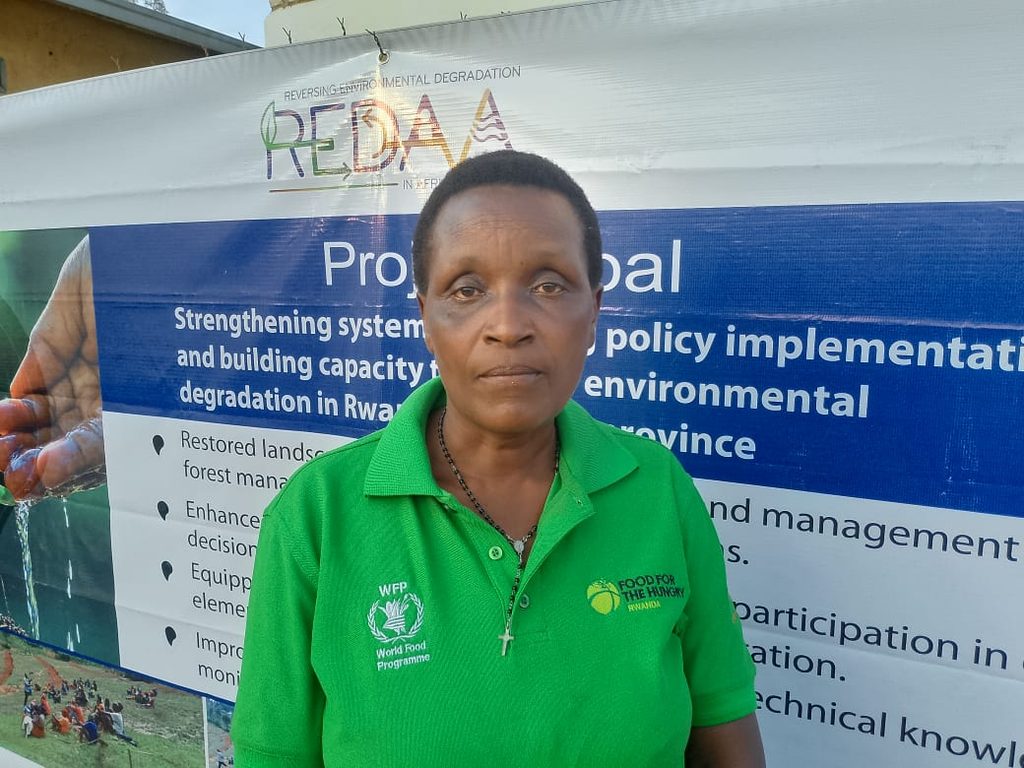
“When the environment is not protected, erosion can destroy farmland, homes can be damaged and other infrastructure can also be affected. This is a problem that concerns all of us. We need to adopt cooking methods that do not continue putting pressure on the natural resources that remain, while also looking for alternative solutions that can help us live sustainably with the environment.”
The experiences of Francine Mukamudege and Marie Jose Mukandamage show that environmental degradation does not stop at forests, rivers or farmland.
It reaches into the kitchen, where a woman may spend hours searching for firewood, it reaches into the fields, where erosion can strip away the soil that families depend on for food, it reaches the family table, where children may miss out on nutritious fruits and it reaches the future of households whose livelihoods depend on natural resources.
For AEE Rwanda and the REDAA program, planting more than 600,000 trees since 2024 is an important achievement. But the bigger challenge and perhaps the more lasting one is changing the way communities think about and interact with the environment.
Because when nature is protected, the benefits do not remain in the forest, they return to the household through food, income, fertile land, cleaner surroundings and a more secure future for generations to come.