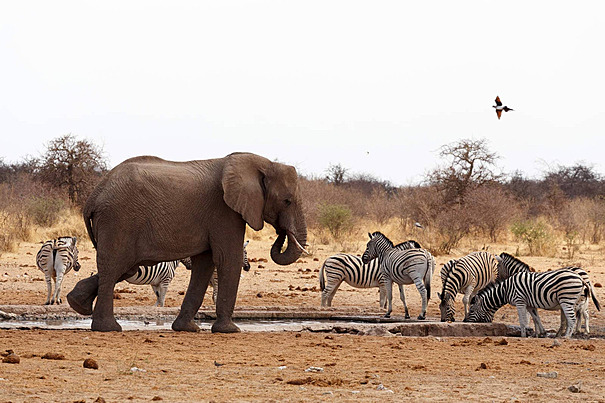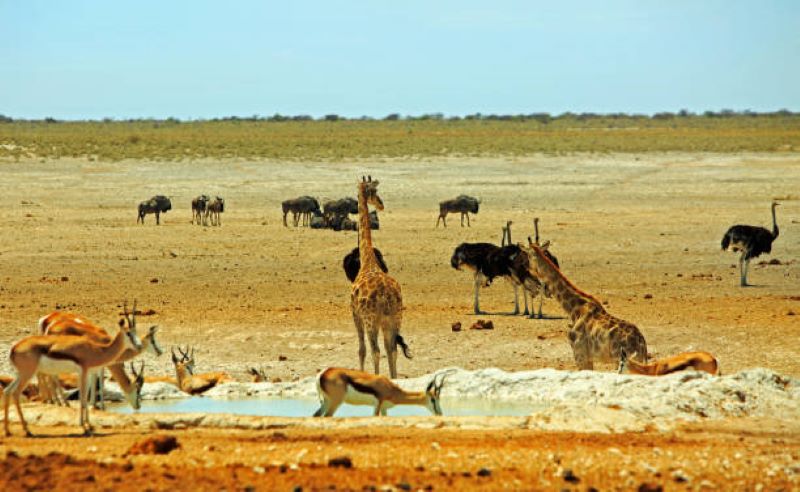
Africa is often described as the world’s wildlife paradise. Its vast savannas, dense rainforests, wetlands, mountains, and deserts provide a home to some of the most remarkable species on Earth. From elephants roaming the plains of East Africa to gorillas inhabiting mountain forests and penguins living along southern coastlines, the continent’s biodiversity is both extraordinary and irreplaceable.
However, this natural heritage is increasingly under threat. Climate change has emerged as one of the greatest challenges facing African wildlife today. Rising temperatures, prolonged droughts, unpredictable rainfall, and extreme weather events are rapidly changing ecosystems and pushing many species toward an uncertain future.
A continent on the frontline of climate change
Although Africa contributes only a small percentage of global greenhouse gas emissions, it is among the region’s most vulnerable to climate change. Scientists have observed increasing temperatures across the continent, accompanied by more frequent droughts, floods, and shifting rainfall patterns. For wildlife, these changes are not simply environmental statistics. They determine where animals can find food, access water, reproduce, and survive. As climate conditions continue to change, many species are struggling to adapt quickly enough.
Disappearing habitats
Wildlife depends on healthy ecosystems. Forests, grasslands, wetlands, and rivers provide shelter, breeding grounds, and food sources. Unfortunately, climate change is altering these habitats at an alarming rate.
Prolonged droughts dry wetlands and rivers, while rising temperatures increase the risk of wildfires and land degradation. Some grasslands are becoming less productive, reducing the vegetation available for grazing animals. As habitats shrink or change, animals are forced to migrate, compete for resources, or face declining populations. Species with limited ranges are particularly vulnerable because they have nowhere else to go.
Water: A growing crisis for wildlife
Water is essential for life, and many African ecosystems are becoming increasingly water stressed. Several regions have experienced severe droughts over recent decades, leaving rivers, lakes, and waterholes depleted. Large mammals such as elephants, buffaloes, zebras, and antelopes require substantial amounts of water to survive. During prolonged dry periods, animals often travel longer distances in search of water, exposing them to exhaustion, starvation, and conflict with humans.
Young animals are especially vulnerable during droughts, and entire populations can decline when water shortages become severe. Warming ocean temperatures affect fish populations, reducing food availability for African penguins and contributing to population declines.
The Cost of biodiversity loss
Africa contains an extraordinary share of the world’s biodiversity. The loss of wildlife does not only affect animals themselves; it also affects ecosystems, economies, and human well-being. Wildlife tourism supports millions of jobs and contributes significantly to national economies across the continent. National parks and conservation areas attract visitors from around the world, generating income for local communities and governments.
Declining wildlife populations could threaten tourism revenues, reduce employment opportunities, and weaken conservation efforts.
Hope through conservation
Despite these challenges, there is hope. Across Africa, governments, conservation organizations, researchers, and local communities are working together to protect wildlife and build resilience against climate change by restoring degraded ecosystems, protecting wildlife corridors, improving water management, supporting community-based conservation, expanding protected areas, promoting climate-smart conservation strategies. Local communities play a particularly important role; as successful conservation depends on balancing environmental protection with sustainable livelihoods.
Climate change is not only an environmental issue; it is also a wildlife issue, an economic issue, and a human issue. The future of Africa’s wildlife depends on decisions made today by governments, businesses, communities, and individuals around the world. protecting Africa’s natural heritage requires both local action and global commitment to reducing greenhouse gas emissions. By investing in conservation, restoring ecosystems, and supporting sustainable development, future generations can continue to experience the extraordinary wildlife that makes Africa unique.
The survival of Africa’s wildlife is closely linked to the health of the planet itself. As the climate changes, protecting nature becomes not only a conservation priority but a responsibility shared by all humanity.