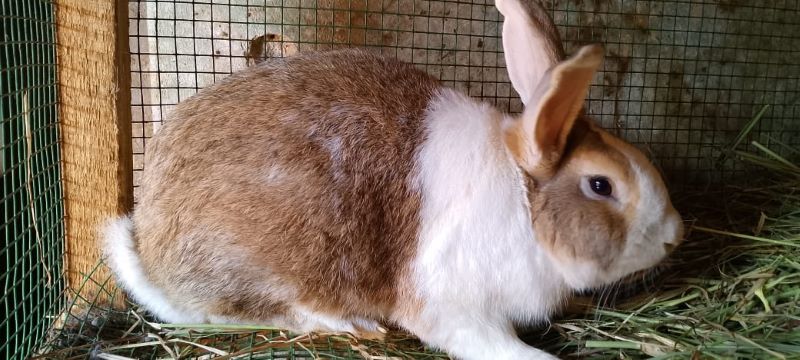
Kayiranga Jean, a resident of Agasharu Village, Cyarwa Cell, Tumba Sector in Huye District, is among the young people who chose self-employment after graduating with a Bachelor’s degree in Statistics in 2016. He has since built a thriving enterprise that has made him a professional rabbit farmer and a producer of livestock forage.
Kayiranga, who owns Huye Rabbit Farm Ltd, says that after completing university, securing formal employment proved difficult. He therefore decided to create his own source of income by venturing into fruit farming, growing crops such as strawberries, passion fruits and raspberries.
In 2023, he began raising fewer than ten rabbits, keeping them in underground pits as a survival strategy while continuing with fruit production. However, as fruit farming demanded considerable time and specialized management, he eventually decided to devote all his efforts to rabbit farming.
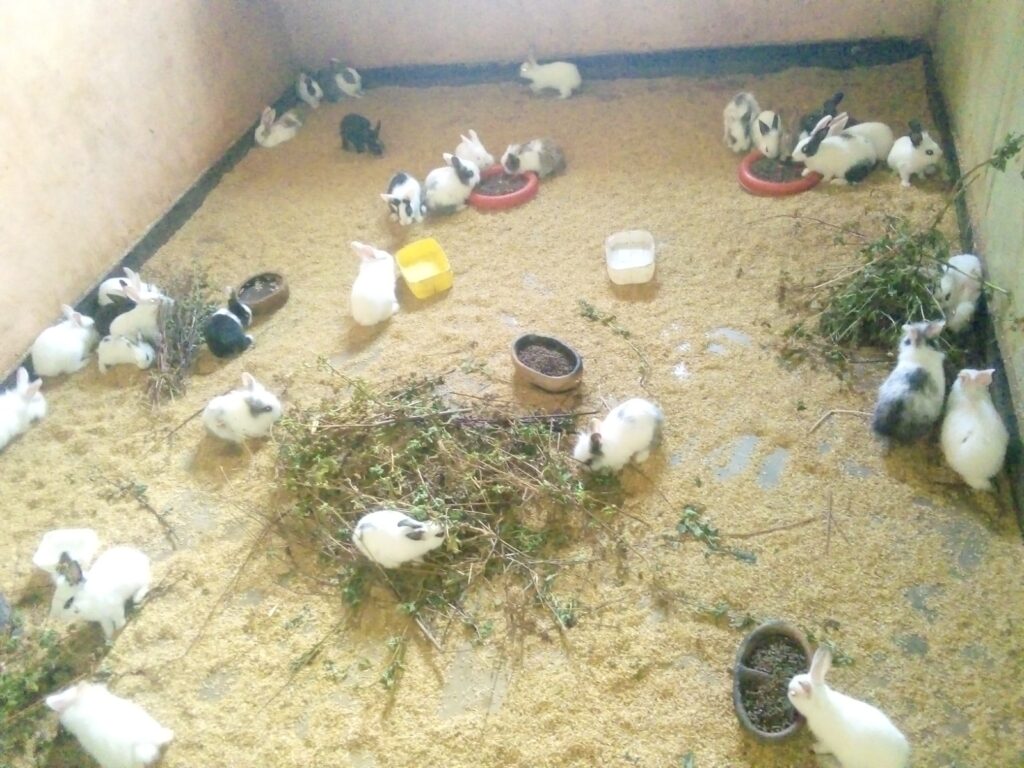
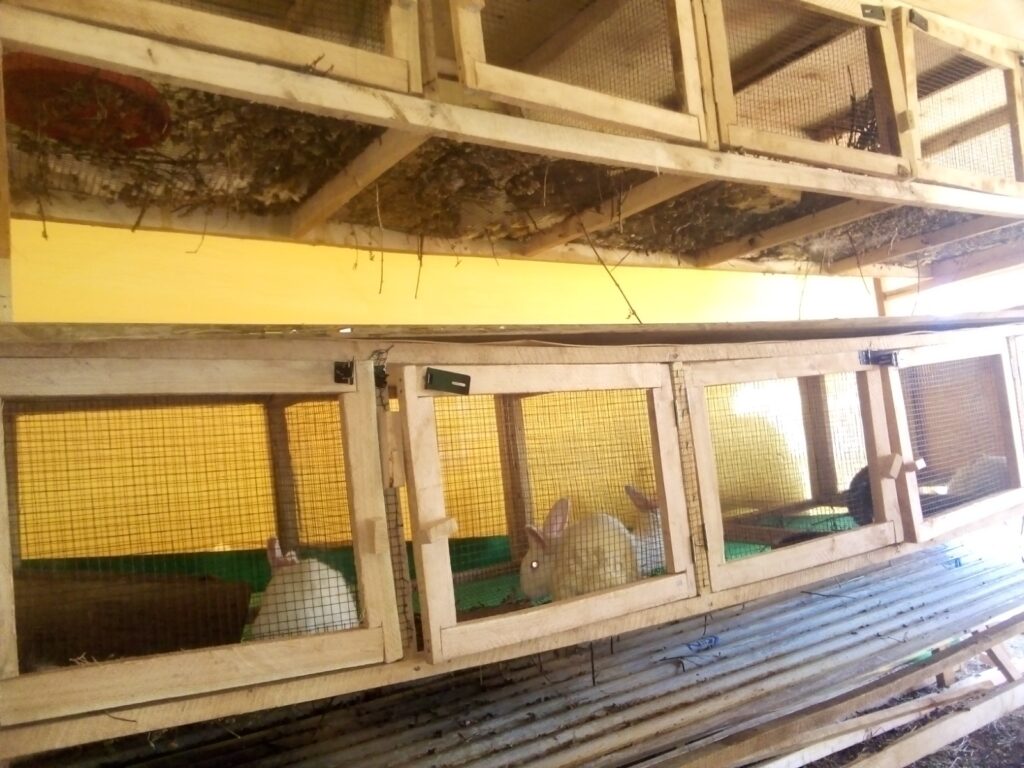
Over time, he expanded the number of rabbits he kept and invested in modern housing facilities. He later secured a small loan from the Business Development Fund (BDF), which enabled him to further scale up his operations.
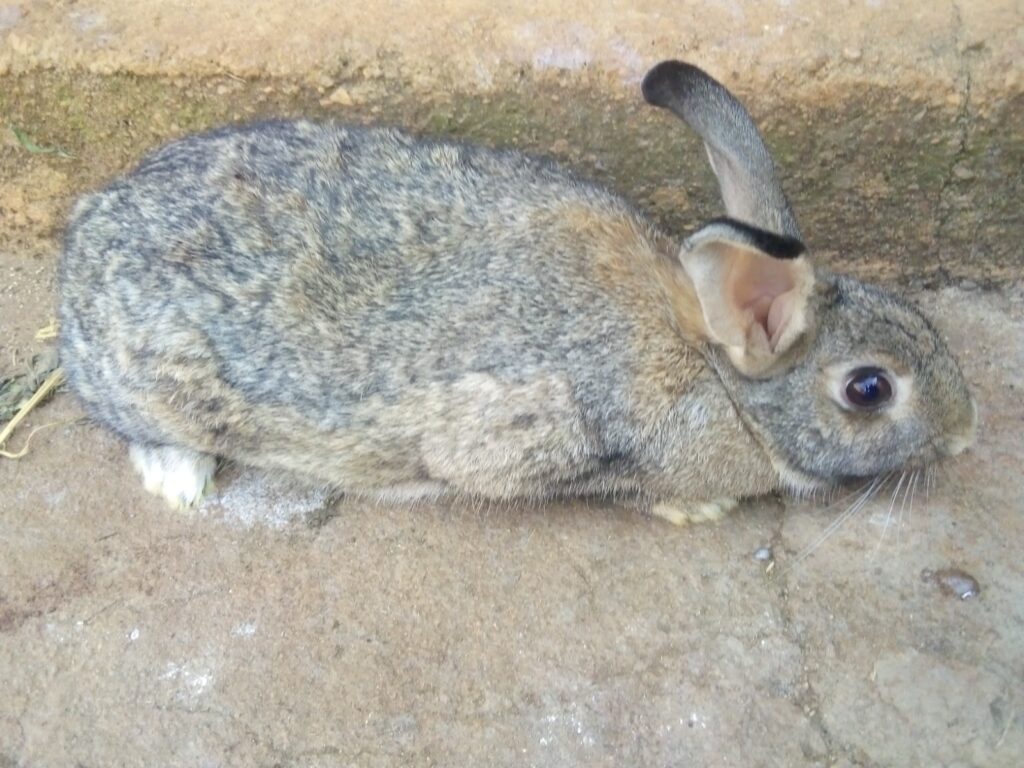
He also upgraded his breeding stock, replacing indigenous rabbits with improved breeds with European bloodlines. By 2025, his herd had grown to more than 300 rabbits, convincing him that the venture could provide a sustainable source of income and long-term growth. Today, he keeps more than seven improved rabbit breeds.
Forage production born out of feed challenges
As the rabbits increased, Kayiranga encountered difficulties in securing sufficient feed. This prompted him to begin cultivating forage crops on the small piece of land he owned.
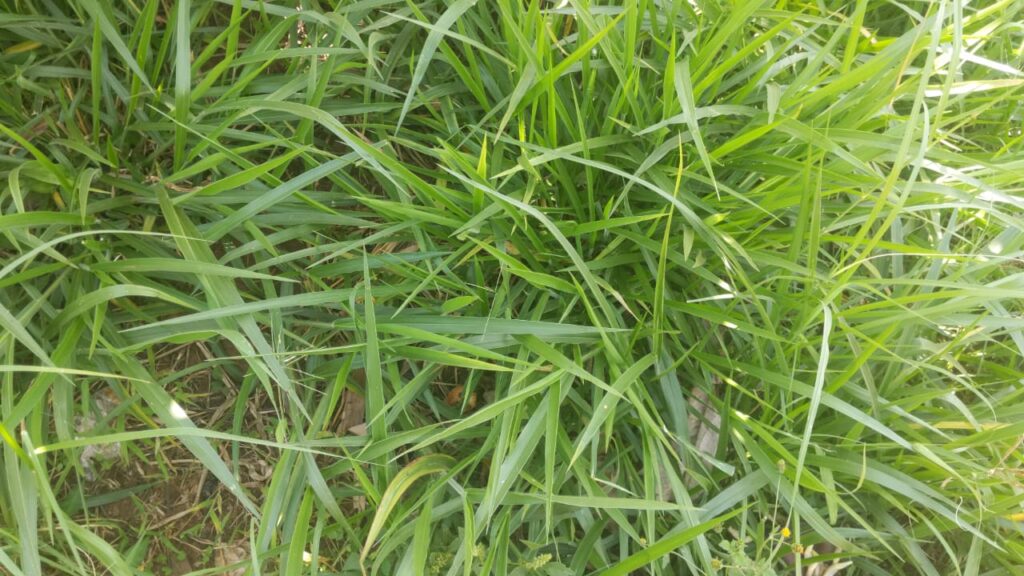
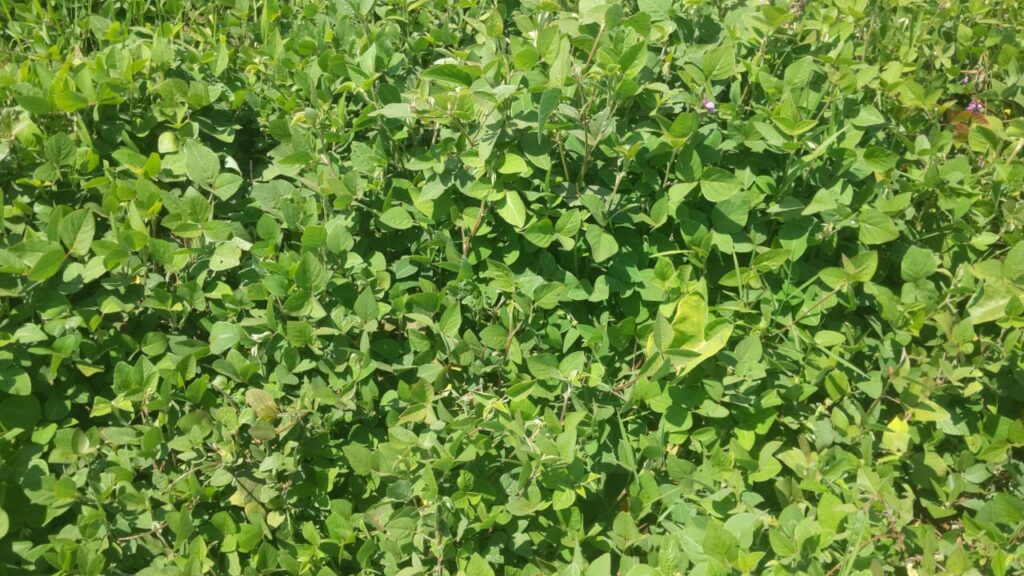
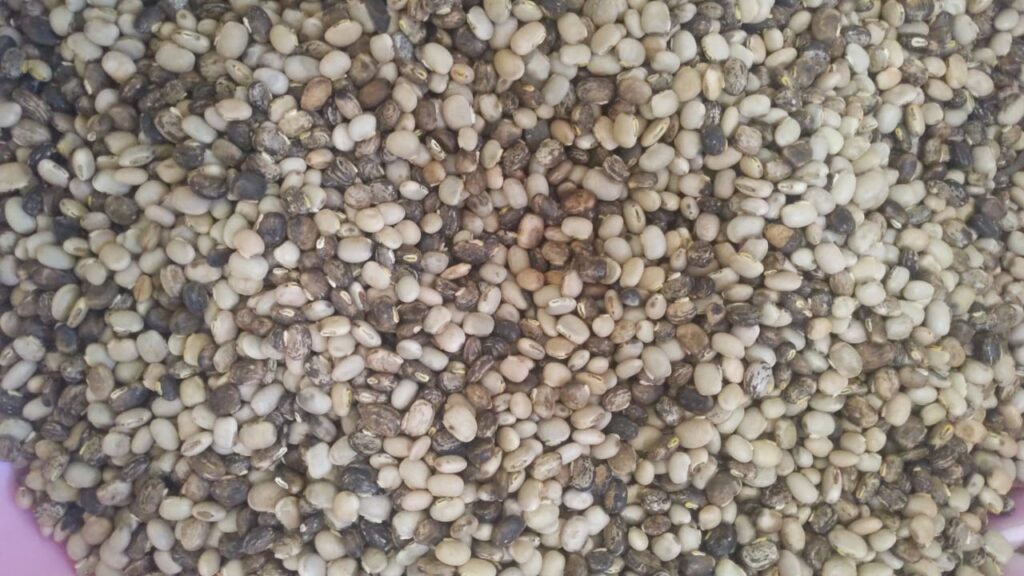
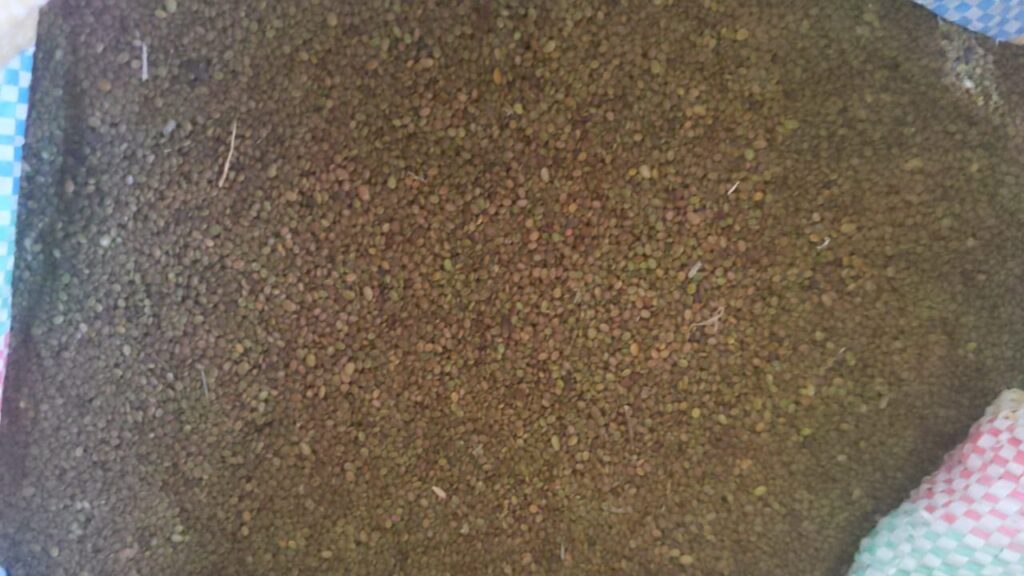
Among the forage varieties he grows are Mucuna, Desmodium, Super Napier Pakchong, Chloris Gayana, and Brachiaria Mulato. He notes that acquiring seeds was not easy, as some had to be imported from Kenya at considerable cost. Realizing that his own land could no longer meet the feed requirements of his rabbits, he leased three hectares of land to expand forage production and also began exploring opportunities to supply forage seeds to other livestock farmers.
“As rabbit farming expanded, I realized that feed availability could become a major challenge. I decided to start multiplying forage crops so that I could feed my own animals and also help fellow farmers access quality forage seeds,” he said.

Creating employment and supporting other farmers
Kayiranga, who is married and has one child, says that the impact of Huye Rabbit Farm Ltd extends beyond supporting his family. The company has also created employment opportunities for members of the community.
During planting and forage multiplication seasons, he employs more than 30 casual workers per day, in addition to three permanent employees who oversee the day-to-day management of the rabbits. To date, he has supplied breeding stock to more than 600 rabbit farmers across the country and provides training to aspiring rabbit producers.
“Many people who ventured into rabbit farming did so after receiving advice and training from us. So far, we have supported more than 600 farmers, and we are committed to continuing to provide knowledge and quality breeding stock,” he said.
Promoting rabbit farming as an accessible company
Kayiranga encourages people to embrace rabbit farming, noting that it requires relatively low investment in both feeding and management, while offering quick returns.
“Rabbit farming is not complicated. Even someone with limited resources can start with a few animals and gradually expand. Rabbits can provide financial relief to families whenever unexpected needs arise,” he explained.
He also points out that rabbit meat is considered healthy because it belongs to the category of white meat, which can help reduce health risks associated with excessive consumption of red meat.
Calls for more technical support and better storage facilities
Despite the progress made, Kayiranga says several challenges remain, including limited access to continuous technical support from agricultural and livestock institutions, the high cost of forage seeds, and the lack of equipment for long-term forage preservation.
“We still need advanced training and support to increase forage seed production. Storage remains another challenge because when forage is abundant, a significant portion may go to waste due to inadequate preservation facilities,” he said.
He calls on agricultural institutions and other relevant stakeholders to continue supporting rabbit farmers and forage producers in order to address feed shortages and ensure that livestock keepers can access quality feed at affordable prices.
Over the past few years, Kayiranga Jean has transformed his venture from raising fewer than ten rabbits in underground pits into establishing Huye Rabbit Farm Ltd, a company that is playing a growing role in advancing rabbit farming and supporting hundreds of livestock farmers across Rwanda.
Forage Production Born Out of Feed Challenges