


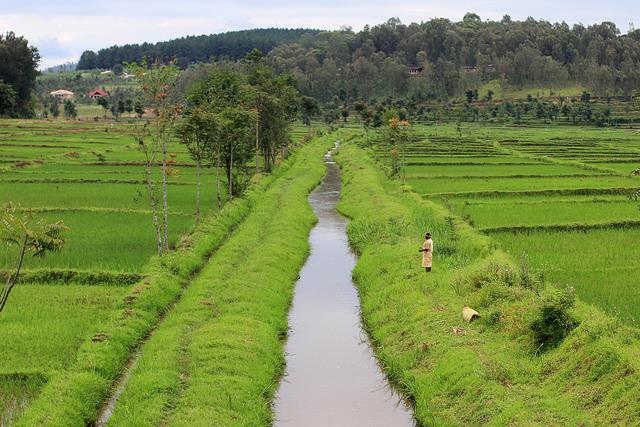
To address climate change and preserve biodiversity, the Government of Rwanda has intensified efforts to protect wetlands. These efforts include preventing pollution, regulating human activities in these areas, and implementing measures to maintain their natural integrity so that they can continue to filter both water and the air that people breathe.
Emmanuel Rushema, an official from the Rwanda Environment Management Authority (REMA), emphasizes that wetlands absorb harmful atmospheric gases, such as carbon, three times more effectively than ordinary forests.
He says, “Wetlands help us reduce flooding, but they also play a vital role in filtering river water before it reaches lakes, where it is used for daily activities.”
“Another major benefit is their remarkable capacity to absorb harmful gases from the atmosphere, at a rate three times higher than that of typical forests,” he adds.
Rushema further explained that, as part of ongoing conservation efforts, certain wetlands have been designated for agricultural use, while others have been protected due to their ecological importance.
He states, “Of the more than 900 wetlands in Rwanda, not all are protected, but those that are have been identified as requiring special attention to prevent flooding and to avoid excessive drying, which could negatively affect water availability.”
Rushema also noted that among the 900+ wetlands in Rwanda, 38 are classified as critical. These include the Rugezi wetland in Burera, the Kamiranzovu wetland in Nyungwe and its surroundings, and the Cyohoha wetland in Bugesera.
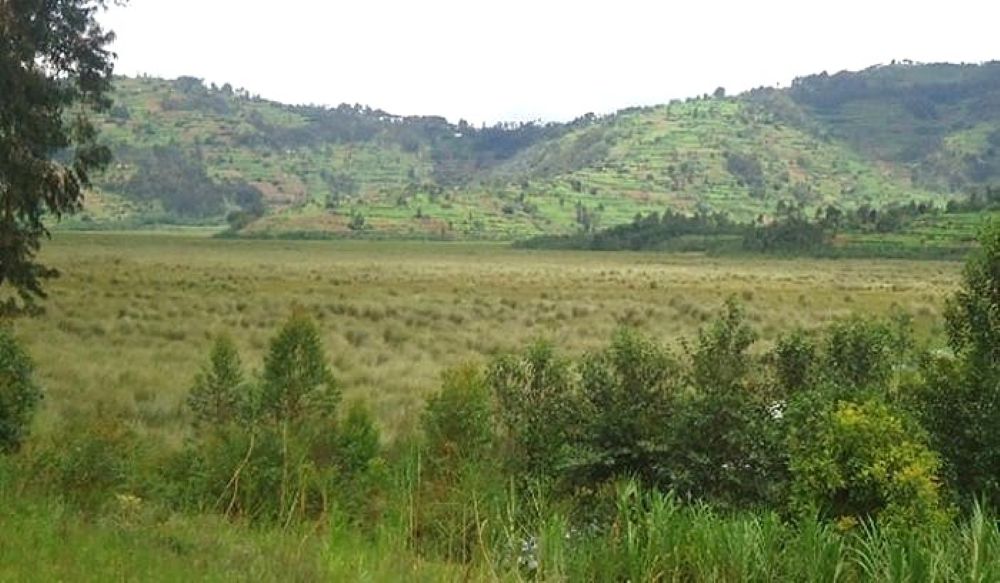
Wetland
Environmental experts urge the public to better protect wetlands, as they are more effective than regular forests at filtering air, preserving and purifying water. This is why they call for continued and strengthened conservation. All actions to safeguard wetlands are guided by article 42of Law No 48/2018 of August 13, 2018 governing environmental protection in Rwanda.
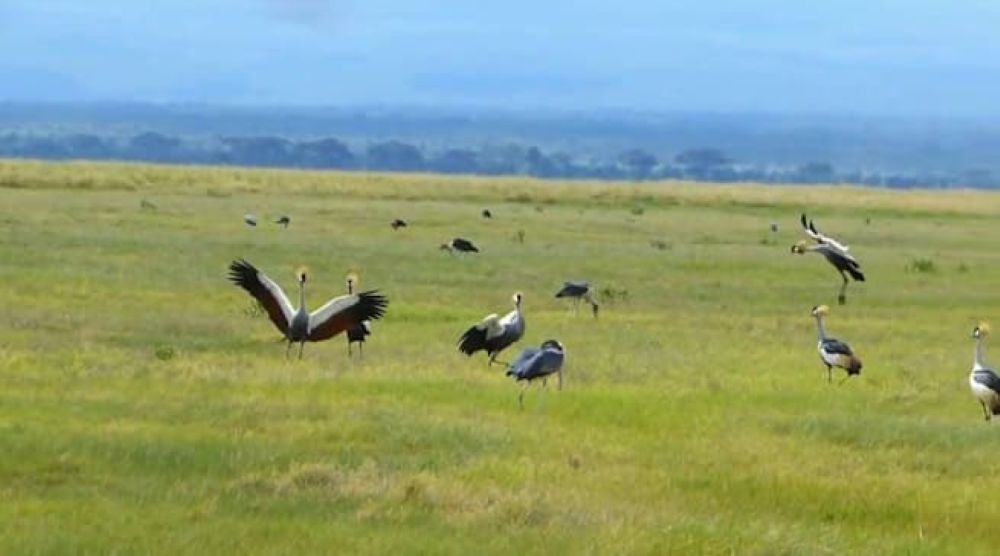
Rugezi wetland
pureafricanews