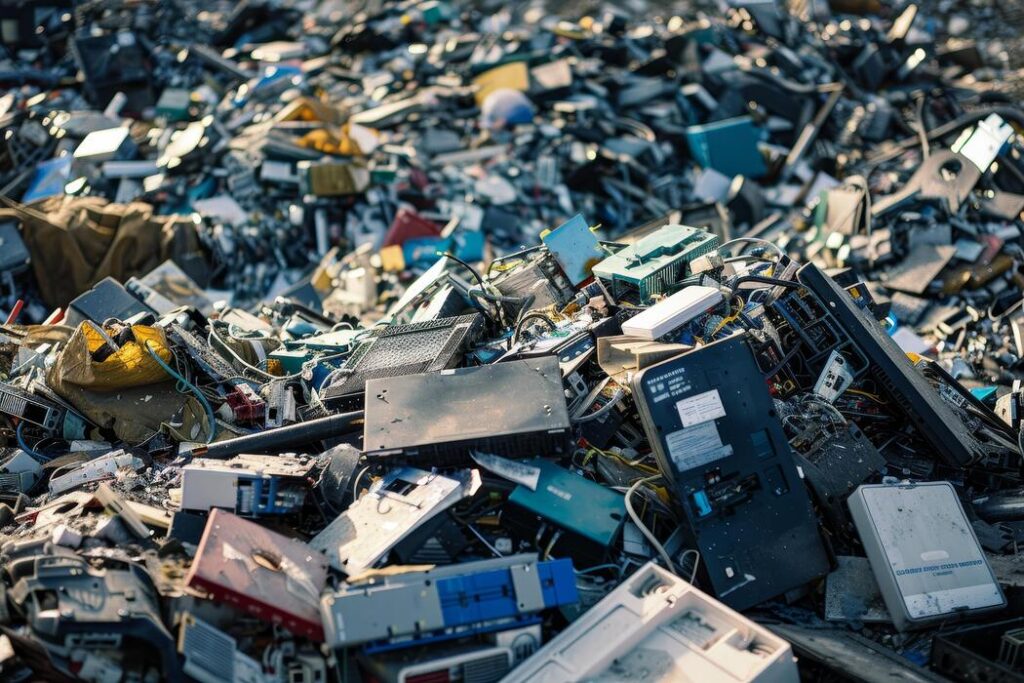
In today’s fast-paced digital world, electronic devices such as smartphones, laptops, televisions, and household appliances have become essential to daily life. However, the rapid pace of technological advancement and consumer demand has led to a significant rise in discarded electronics, commonly known as electronic waste, or e-waste. This growing stream of waste is posing serious threats to the environment and human health.
One of the major concerns associated with e-waste is the presence of hazardous materials. Many electronic devices contain toxic substances such as lead, mercury, cadmium, and brominated flame retardants. When these devices are improperly disposed of often in open dumps or burned—they release harmful chemicals into the soil, air, and water. This contamination can damage ecosystems, reduce soil fertility, and pollute water sources that communities depend on for drinking and agriculture.
In addition to environmental damage, e-waste also contributes to climate change. The production of electronic devices requires significant amounts of energy and raw materials, including rare metals like lithium and cobalt. When devices are thrown away instead of being reused or recycled, more resources are needed to manufacture new ones, leading to increased greenhouse gas emissions. Furthermore, the burning of electronic waste releases toxic fumes that contribute to air pollution and global warming.
Improper handling of e-waste also affects human health, particularly in developing countries where informal recycling is common. Workers, often without protective equipment, dismantle electronic devices to recover valuable components. This exposes them to dangerous chemicals, which can cause respiratory problems, skin diseases, and long-term illnesses. Children and nearby communities are especially vulnerable to these health risks.
Despite these challenges, solutions exist to reduce the harmful impact of electronic waste. Governments and organizations are increasingly promoting responsible e-waste management through policies, awareness campaigns, and recycling programs. Proper collection and recycling of electronic devices can help recover valuable materials, reduce the need for new resource extraction, and minimize environmental pollution.
Consumers also have a critical role to play. By extending the lifespan of devices through repair and reuse, purchasing durable products, and properly disposing of old electronics at designated recycling centers, individuals can significantly reduce e-waste. Supporting companies that adopt environmentally friendly production practices is another important step toward sustainability.
In conclusion, discarded electronic devices are a growing environmental concern that requires urgent attention. Addressing the issue of e-waste demands collective action from governments, industries, and individuals. By adopting responsible practices and promoting sustainable solutions, society can mitigate the harmful effects of electronic waste and protect the environment for future generations.