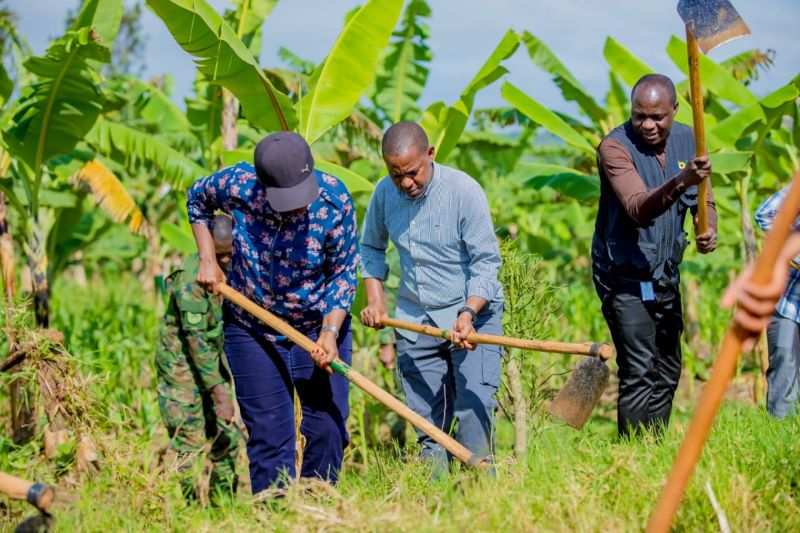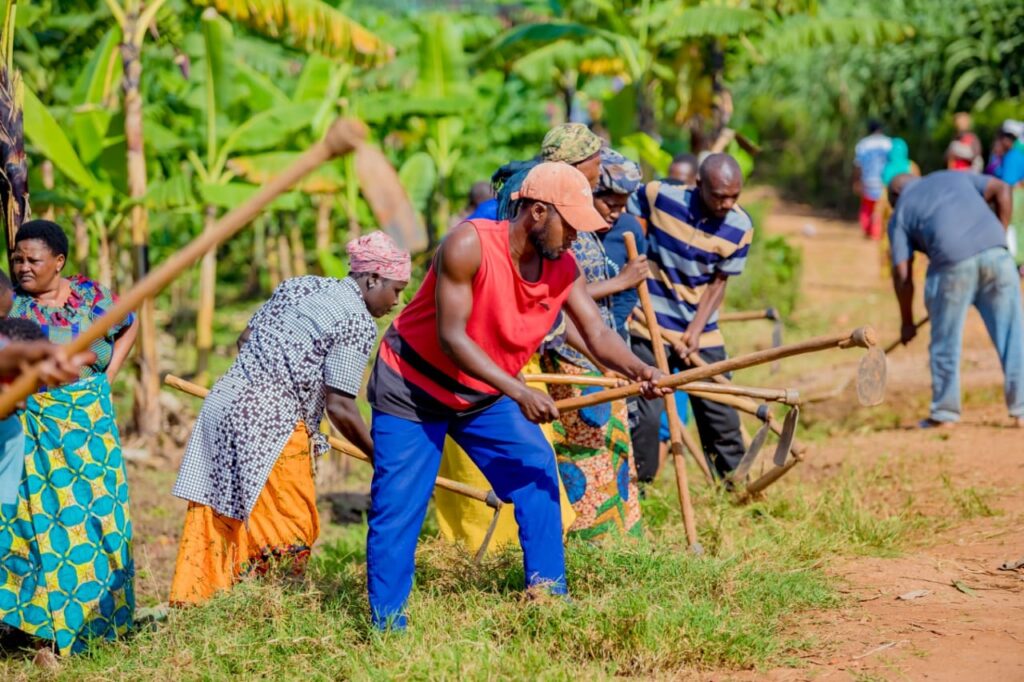
The Rwanda Biomedical Centre (RBC) is calling on Rwandans to place greater emphasis on maintaining cleanliness in and around their homes as a primary step in preventing and combating malaria, a disease that continues to affect many people.
RBC notes that some households unknowingly provide breeding grounds for malaria-carrying mosquitoes, which contributes to the persistence and spread of the disease.
Residents of Gahanga Sector in Kicukiro District, who recently received awareness training on malaria prevention, say they have gained valuable knowledge especially on hygiene practices and eliminating mosquito breeding sites.
Assoumpta Uwineza said:“As you can see here, there are stagnant areas, bushes, and overgrown vegetation that create a conducive environment for mosquitoes to breed. Being taught what we should do is very important. We are now going to start filling pits near our homes, sleep under mosquito nets, maintain cleanliness in our households, and clear bushes around us.”
François Habinshuti added:“Eradicating malaria starts with me. I will always sleep under a treated mosquito net, clear bushes around my home, and fill any holes that can collect water and become breeding sites for mosquitoes.”
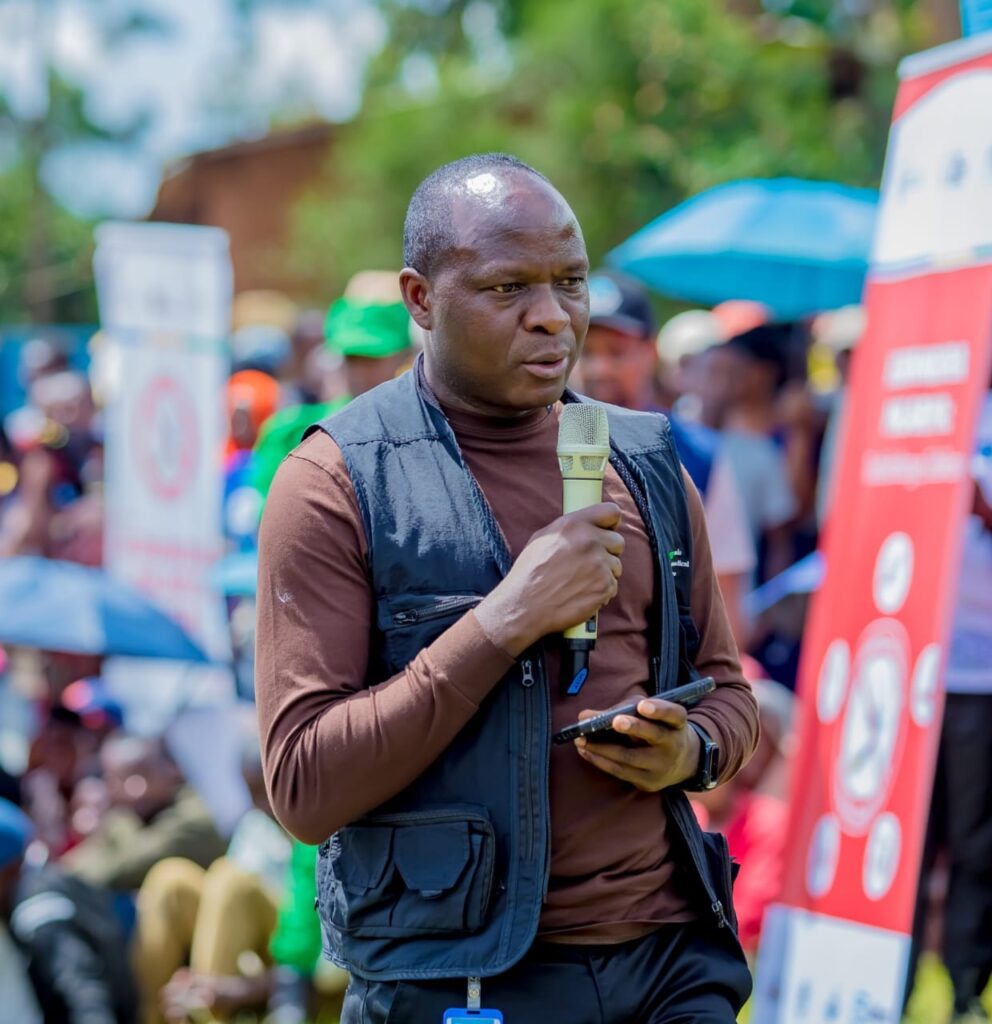
Dr. Aimable Mbituyumuremyi, The Head of the Malaria Control Division at RBC, emphasized that hygiene is a critical pillar in the fight against malaria.
He stated:“Cleanliness and sanitation are often overlooked in our homes. We tend to wait until mosquitoes enter our houses, while neglecting stagnant water within our compounds. You may find jerrycans or containers holding water for long periods, which become breeding grounds for mosquitoes. Community work should begin at home,you cannot clean public spaces while your own home is unclean. We urge everyone to prioritize hygiene in their households. When our surroundings are clean, the chances of mosquito breeding are significantly reduced, thereby protecting our health.”
Statistics show that malaria remains a major public health concern in Rwanda and globally. Between 2024 and 2025, malaria cases in Rwanda exceeded 1.1 million. RBC further reports that in the 2025–2026 fiscal year, which began in July 2025 and will end in June 2026, data from March 2026 indicates that over 930,000 cases of malaria have already been recorded.
These figures highlight the need for continued joint efforts by communities and institutions to eliminate malaria, with a strong focus on hygiene, the use of insecticide-treated mosquito nets, and avoiding conditions that allow mosquitoes to breed.