For many years, some residents of Nyamagabe District had to fetch water from marshlands or walk long distances to access it. Today, hope is rising as a major project worth 90 billion Rwandan Francs aims to provide clean water to more than 370,000 residents by 2030.
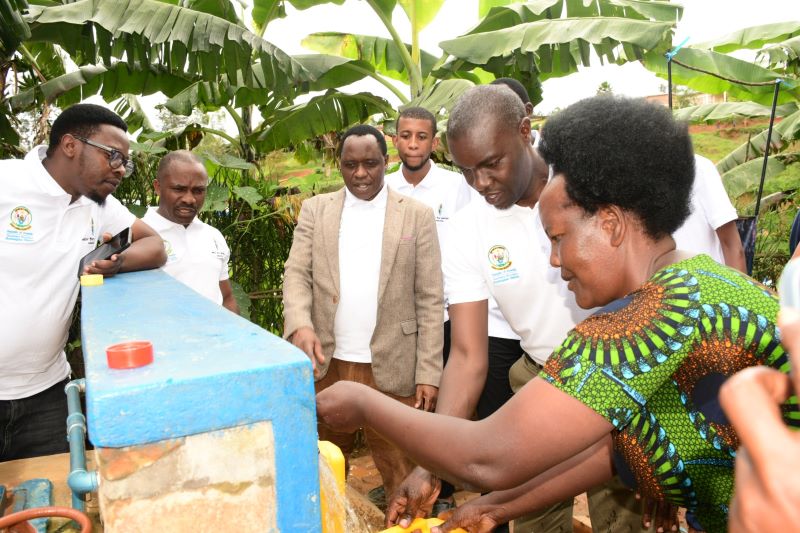
In Kabakannyi Village, Jenda Cell, Musange Sector in Nyamagabe District, clean water has become a life-changing solution for residents who previously traveled long distances to find water.
Theresie Niyigena is among the residents who say their lives have significantly improved since clean water was brought closer to their homes. She clearly remembers the difficult days before the construction of the water pipeline serving their community.
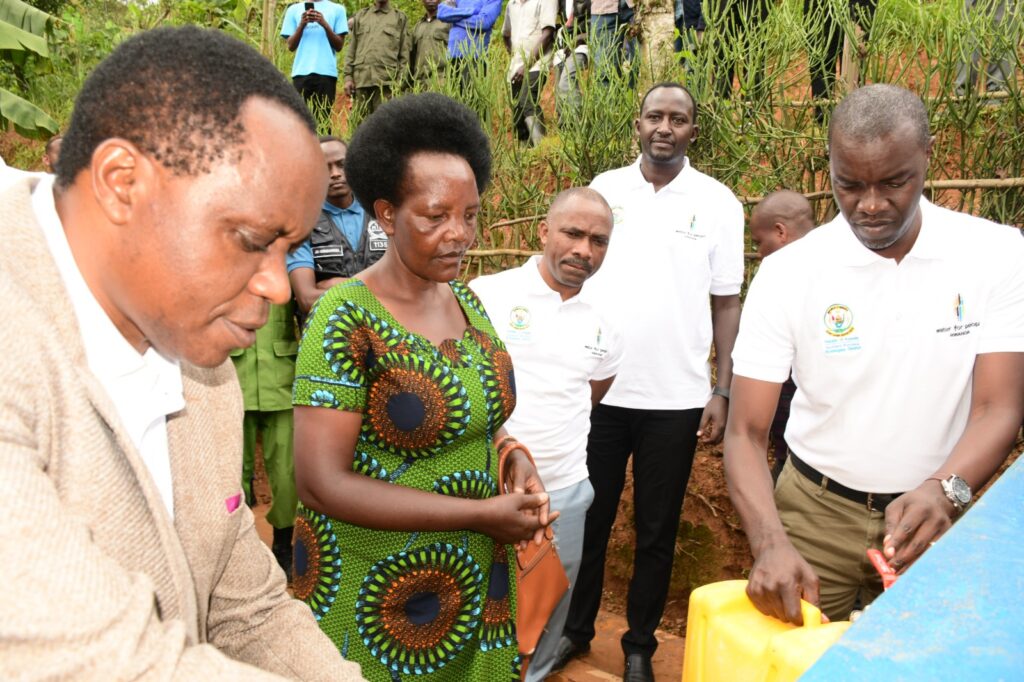
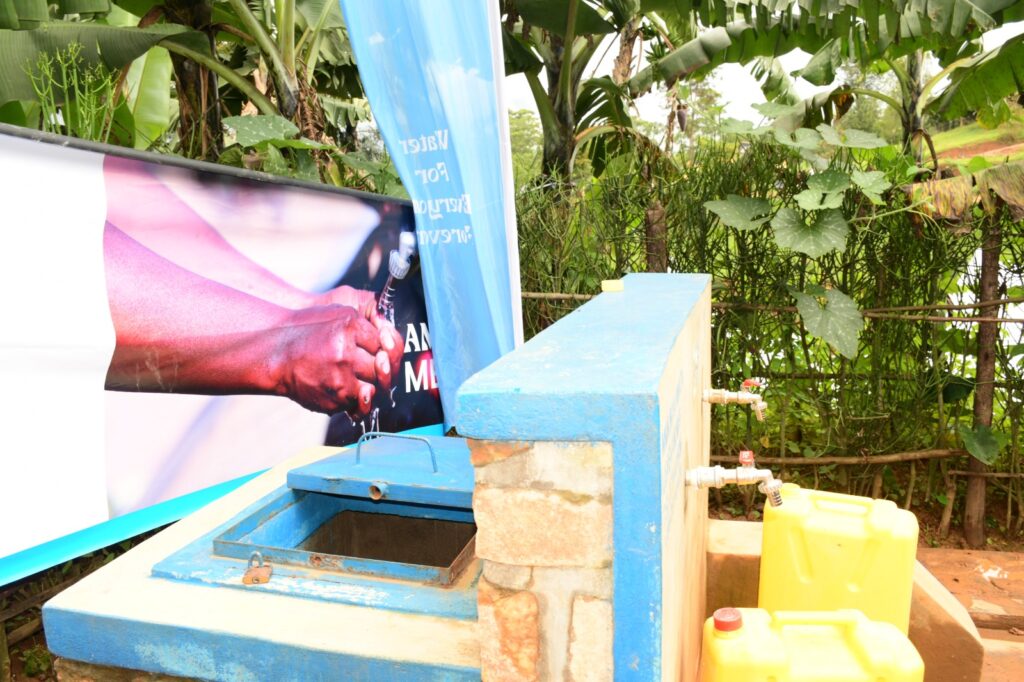
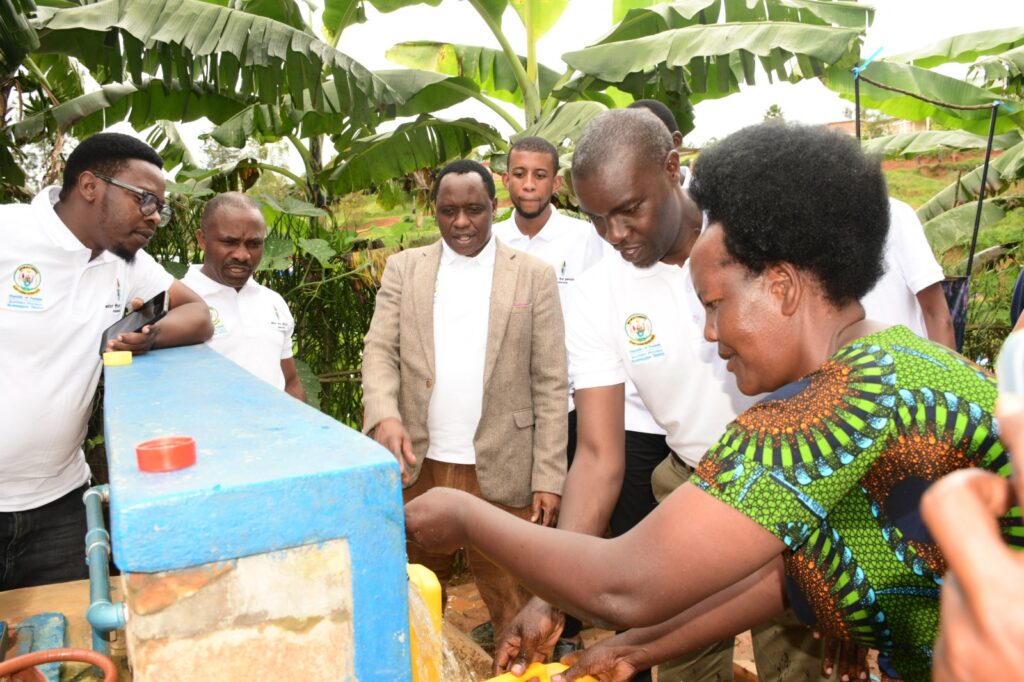
“Before, we fetched water from swamps. Sometimes we had to drink rainwater, and children would be late for school because they had to walk long distances to fetch water. Now water is very close; I get it just about 10 meters from my home, and one jerrycan costs only eight francs,” she said.
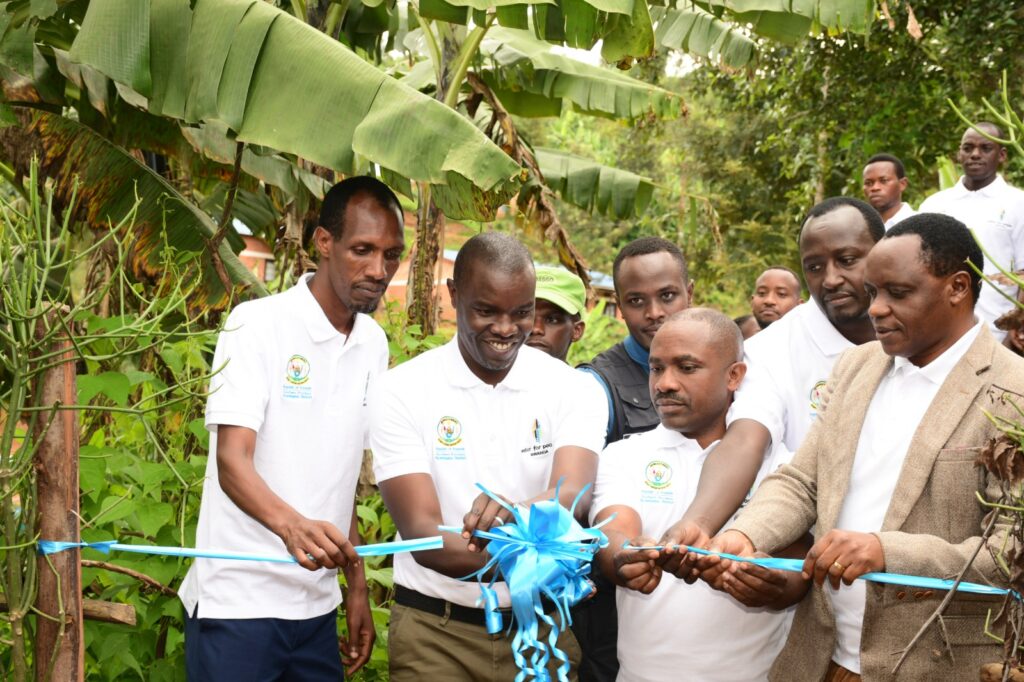
On March 25, 2026, a new water pipeline—Kariba–Jenda–Masizi was inaugurated in Musange Sector. The pipeline stretches 7.5 kilometers and now supplies clean water to more than 2,000 residents. It is part of broader efforts to address long-standing water shortages in several parts of Nyamagabe District.
Theresie is not the only one whose life has changed due to the availability of clean water. Rachel Nirere, a resident of Masizi Cell, says the lack of reliable water once caused her significant losses in poultry farming.
“I used to wake up at 5 a.m. to fetch water, and sometimes the children would even fail to bathe because there was no water. At one point, I lost more than 1,000 chickens because I didn’t have enough water to give them,” she explained.
She says life has now improved because water is easily accessible, allowing her to focus on her daily activities and livestock without interruption. “Now I go to my farm knowing that when I return home, I will have water for bathing and for my animals,” she added.
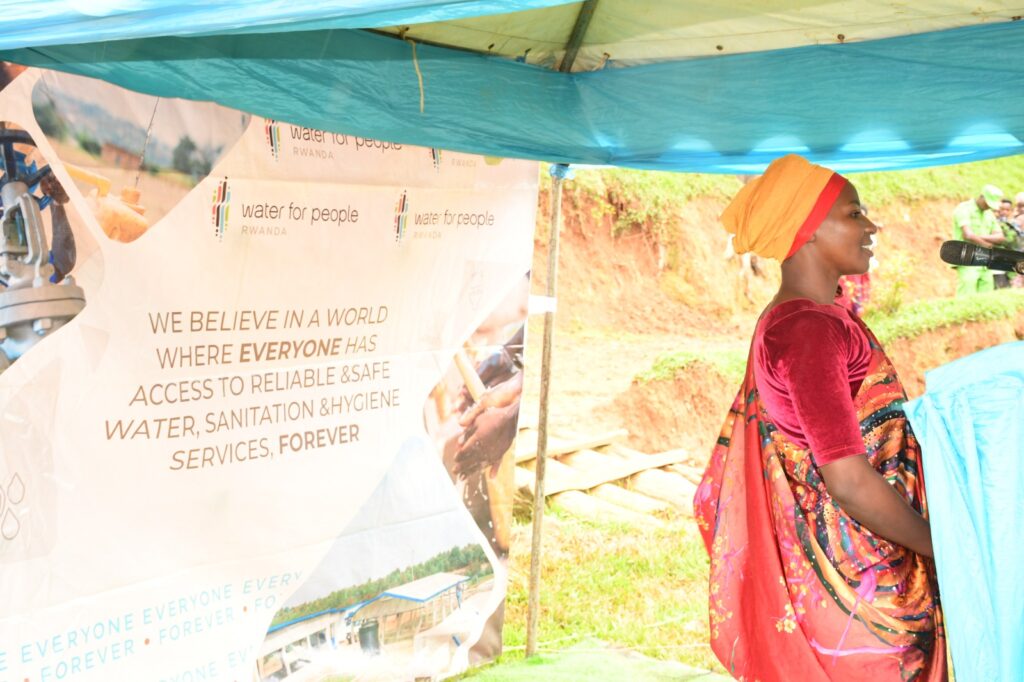
The clean water initiative in Nyamagabe District is part of a large-scale project valued at 90 billion Rwandan Francs. The project aims to provide safe water and sanitation facilities to more than 370,000 residents by 2030.
Implementation of the project began in 2025 after the Seventh Integrated Household Living Conditions Survey (EICV7) revealed that 18.4 percent of residents in the district still relied on unsafe water sources.
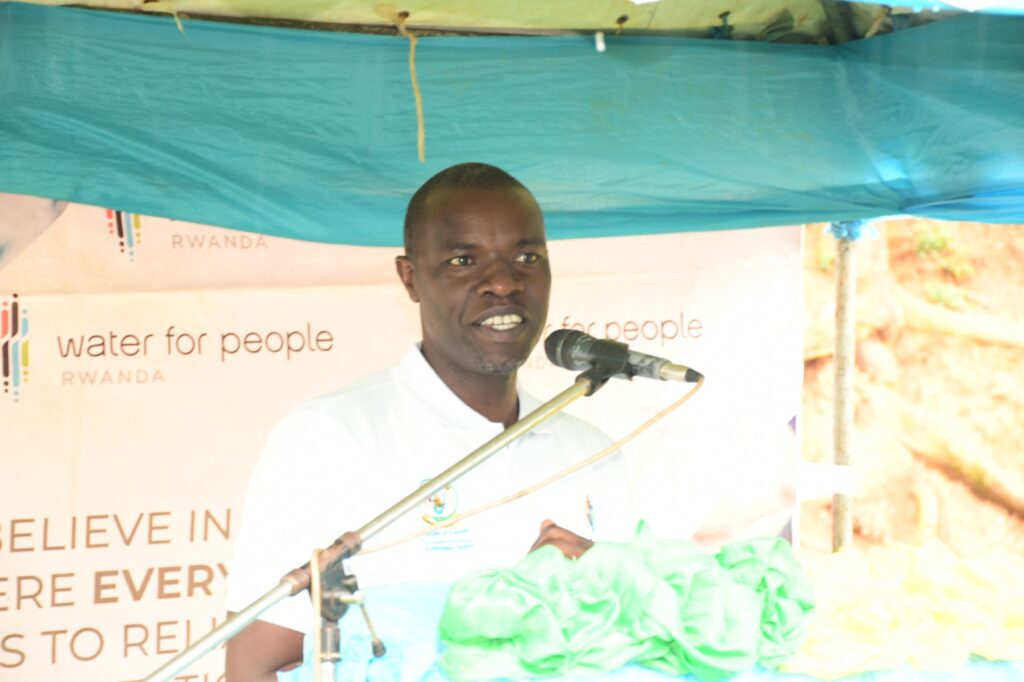
As part of the initiative, water pipelines are being constructed across different sectors of the district. Eugene Dusingizumuremyi, Country Director of Water for People in Rwanda, which partners with the district in the project, says the goal is to ensure every resident has access to clean water.
“Our objective is to ensure that every resident can access clean water nearby so they can maintain proper hygiene and prevent diseases caused by poor sanitation,” he said.
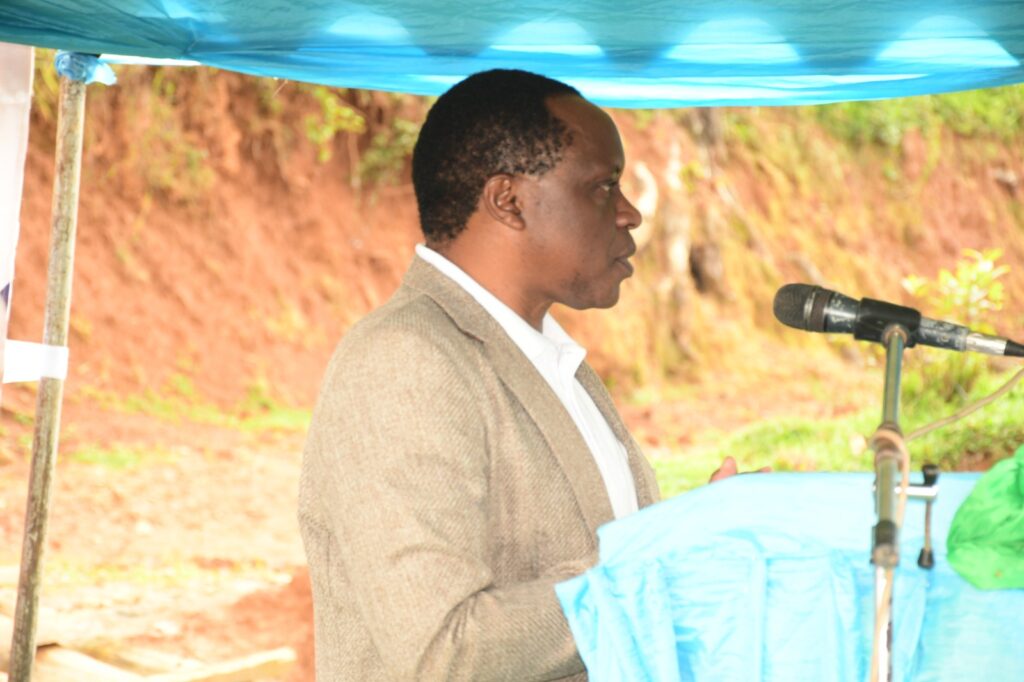
Hildebrand Niyomwungeri, The Mayor of Nyamagabe District, said that in the past two years, water pipelines covering 266 kilometers have been constructed, representing 18.7 percent of the entire project. “This has enabled more than 88,000 residents to access clean water. What we ask from citizens is to protect this infrastructure, so it continues to benefit them,” he said.
However, health authorities note that diseases related to poor sanitation remain among the top ten illnesses affecting residents in the district. For this reason, local leaders continue to encourage communities to maintain proper hygiene practices.
The initiative also aligns with the Government of Rwanda’s development priorities outlined in Second National Strategy for Transformation (NST2), which aims to expand access to clean water, bring it closer to communities, and improve service delivery.
For many residents of Nyamagabe District, these water projects represent more than just infrastructure, they mark the beginning of a new life defined by improved hygiene, better health, and greater development.