


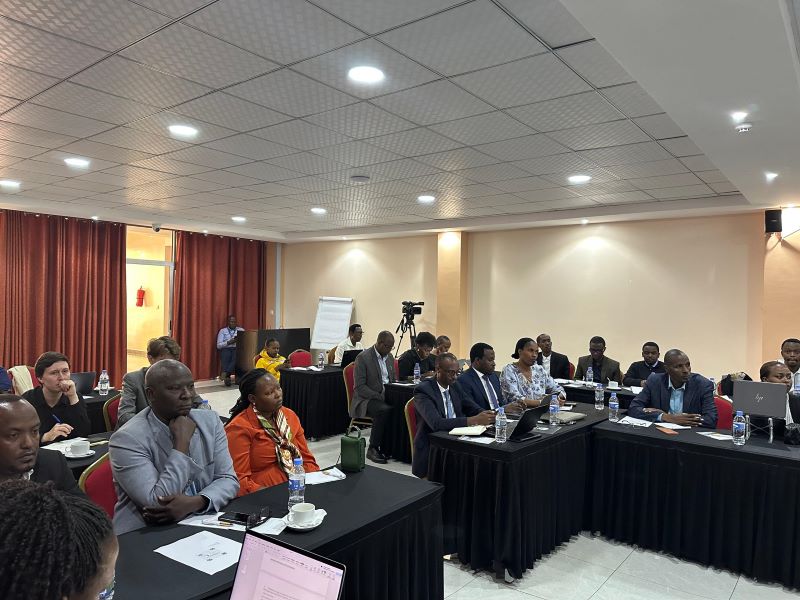
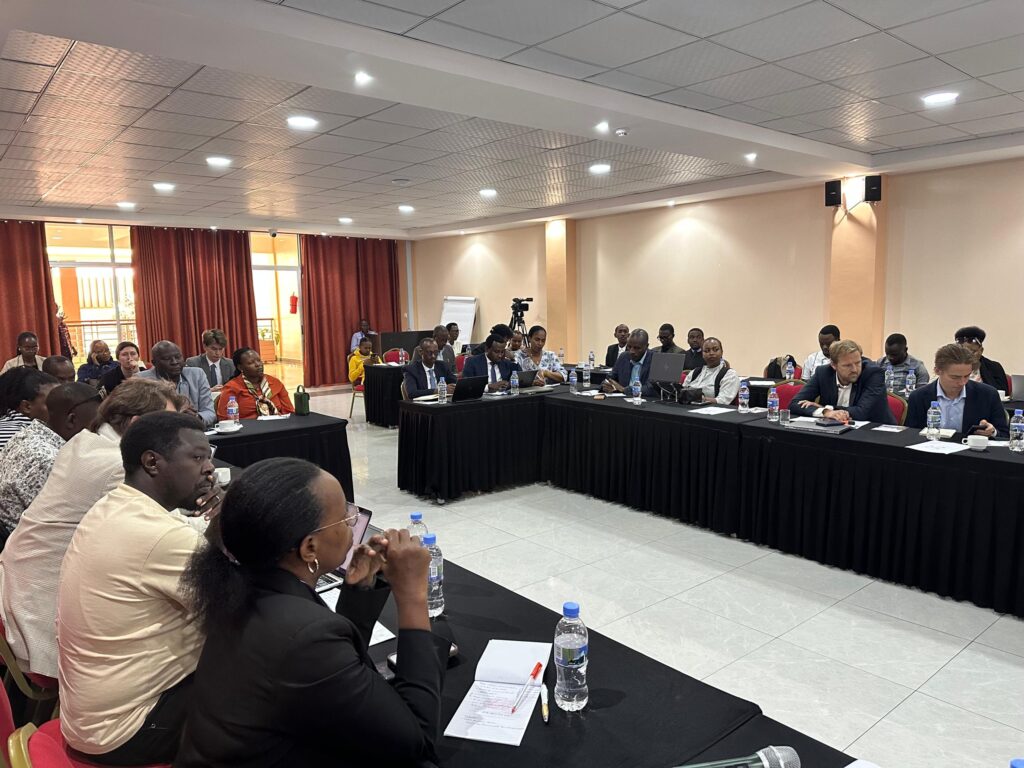
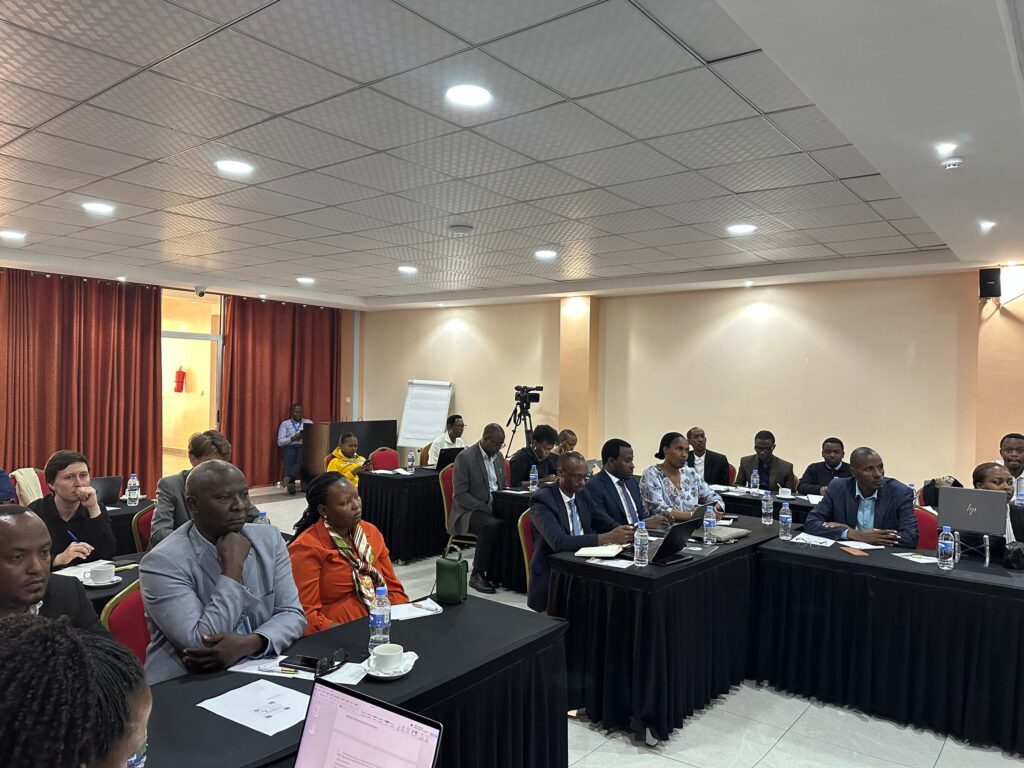
At Lemigo Hotel, the discussion was neither purely technical nor merely institutional. It centered on a fundamental question: how to transform international recommendations into tangible changes for citizens. Around the table, journalists, regulators, public decision-makers, and development partners sought to redefine the role of the media in a context where information has become a strategic issue for governance and development.
A decisive moment in the UPR process
The dialogue comes at a pivotal stage for Rwanda, a few months after its fourth review under the Universal Periodic Review (UPR) mechanism. In January 2026, 100 States issued 286 recommendations to the country, a figure that has steadily increased over the past decade.
This progression reflects growing international attention, but also higher expectations in terms of results. Rwanda must now make crucial decisions: which recommendations to accept, how to adapt them, and, most importantly, how to implement them. “This reflects growing engagement across the cycles. The figures demonstrate increasing interest in Rwanda’s human rights trajectory,” said William Ndengeyinka from the Ministry of Justice.
Behind this dynamic lies a clear reality: the UPR is not merely a diplomatic exercise. It directly influences public policies, legal reforms, and institutional balances within the country.
Media at the heart of democratic balance
Among the 286 recommendations, 34 directly concern the media and freedom of expression. This highlights a major shift: the press is no longer viewed solely as a sector of activity, but as a cornerstone of democratic functioning.
For Jean Paul Ibambe, this responsibility goes far beyond media professionals. “The real beneficiaries of this process are not in Geneva, but here in Rwanda. The outcomes must translate into the daily lives of citizens.”
In this perspective, the media play multiple roles. They make public policies understandable, facilitate public debate, and contribute to institutional accountability. They also serve as a space where trust between the State and citizens is built. “The media are not only a channel of information, but also a platform for dialogue, accountability, and citizen participation.”
However, this ambition faces real challenges. Access to information remains unevenly implemented, some journalists face pressure, particularly in the digital space, and the economic fragility of the sector affects the quality and independence of journalistic work.
The concept note of the dialogue also highlights that cases of harassment and intimidation persist, while access to information is still not fully effective.
Advocating for recommendations to drive development
In response to these challenges, media actors are no longer limiting themselves to diagnosis. They are actively seeking to shape future decisions. The advocacy paper presented during the dialogue proposes a structured approach focused on legal reform, the protection of journalists, and the strengthening of self-regulation.
Beyond technical measures, the narrative is evolving. It is no longer only about defending press freedom, but about demonstrating its concrete contribution to national development. “These recommendations are not a form of pressure. They are tools, instruments, and drivers of development,” explained Mugisha Emmanuel.
In a context where media organizations face significant financial constraints, the issue of sustainability becomes central. Without sufficient resources, it is difficult to produce quality journalism, conduct in-depth investigations, or ensure editorial independence. “The media are a public good. Without information, no society can function effectively. Supporting them means supporting national development.”
This vision marks a turning point. It places the media on the same level as other strategic sectors, recognizing them as a cross-cutting driver of development, alongside education, governance, and the economy.
A few months ahead of Rwanda’s official position on the UPR recommendations, this dialogue reflects a clear ambition: to make the media not only observers, but full actors of change. The UPR, a mechanism of the United Nations Human Rights Council, assesses every four to five years the human rights situation in each State through a peer review process and recommendations aimed at strengthening their protection. In a rapidly evolving environment, the ability of the media to inform, explain, and question may become one of the most decisive levers for building a more transparent, inclusive, and resilient society.
By Fulgence Niyonagize