


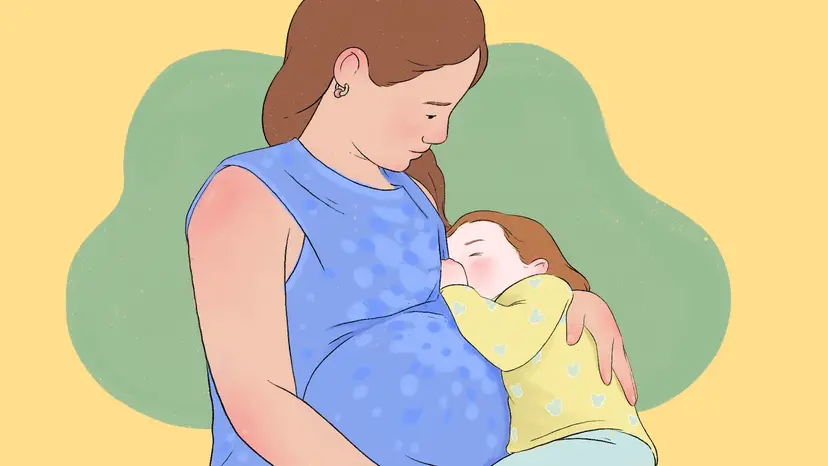
In Rwanda, many people still believe that when a woman becomes pregnant while breastfeeding, she must stop immediately, because the breast milk is thought to “spoil” and become harmful to the child. Mothers are often warned that continuing to breastfeed could endanger not only the nursing child but also the unborn baby.
Yet health experts strongly disagree. They emphasize that breastfeeding during pregnancy does not make milk harmful and carries no negative effects for either child, unless the mother has a health condition that requires medical intervention.
A widespread belief in communities
In Nyagatare District, Pureafricanews.com spoke to several parents who openly admitted that they were raised with this belief.
“Since childhood, I always heard that if a woman conceives while breastfeeding, she must stop right away. They say the milk becomes spoiled and harmful. Personally, I still don’t know whether it is true, but it’s the belief I grew up with.” Shared one mother.
Another parent shared her own experience:
“When I became pregnant, I was breastfeeding my eight-month-old. Suddenly, my child rejected the breast completely. I thought it might be true what people say that once you conceive, breast milk changes and may taste unpleasant for the child.”
For these mothers, their personal experiences seemed to confirm the cultural narrative. But not all women have had the same experience.
A mother who continued breastfeeding during pregnancy shared her experience
Other mothers argue that pregnancy did not prevent them from breastfeeding successfully. Some continued to breastfeed their children until birth, without any health issues.
Fauste Uwingabire, a Neonatal Nurse by profession and a Maternal Newborn and Child Health Advisor at We for Health said that although the misconception is still common, especially among older parents, her own experience proves otherwise.
“I conceived while my child was nine months old, but I continued breastfeeding until I gave birth. My first child did not fall sick, and the newborn was born perfectly healthy.” She shared.
She added that when a child stops breastfeeding after the mother conceives, it is often due to changes in the mother’s emotions rather than the quality of the milk.
“Children are very sensitive to their mothers’ feelings. A pregnant mother may begin to feel anxious, worried, or even stressed. This emotional shift affects how she breastfeeds, and the baby notices the change. The child may then refuse to breastfeed, not because the milk is bad, but because the bond and comfort they usually feel are disrupted.”
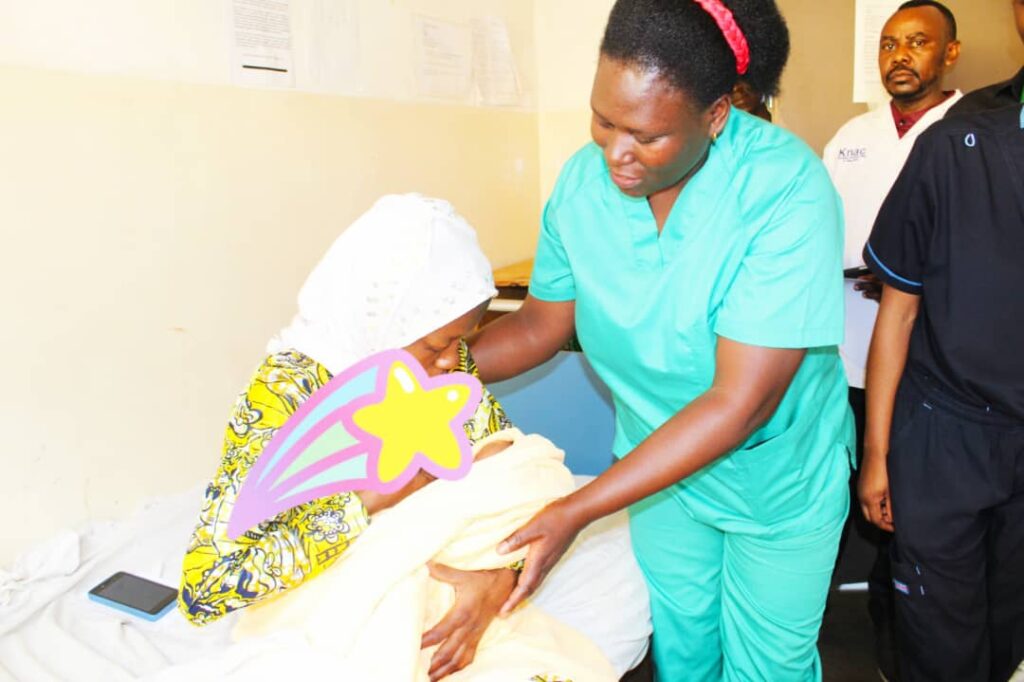
Health experts reaffirm that breastfeeding during pregnancy is safe
Dr. Cyiza Francois Regis, Director of the Health Facilities Unit in the Maternal, Child and Community Health Division at the Rwanda Biomedical Centre (RBC), emphasized that breast milk remains nutritious and beneficial even if the mother is pregnant.
“When a mother conceives while breastfeeding, there is no reason to stop because of the belief that milk becomes spoiled. That is simply a misconception. Breast milk continues to provide essential nutrients that are crucial for the child’s growth and development.”

Dr. Regis warned that depriving a child of breastfeeding based on myths can deny them the best source of nourishment available. He added that the only time a mother may need to stop breastfeeding during pregnancy is if she develops health complications, and a qualified doctor advises her to do so.
A call for better awareness
Experts stress that parents should seek accurate medical information rather than relying on cultural hearsay.
“It is better to consult health professionals whenever you are uncertain, rather than accepting what neighbors or relatives say as fact,” Dr. Regis advised. “Following false information can endanger both the mother and the child.”
The persistence of this belief highlights the need for continuous public education on maternal and child health. While traditions and cultural wisdom remain important, experts say they should never replace scientifically proven medical guidance.
Courage
https://shorturl.fm/hlyqW
https://shorturl.fm/pbEG3